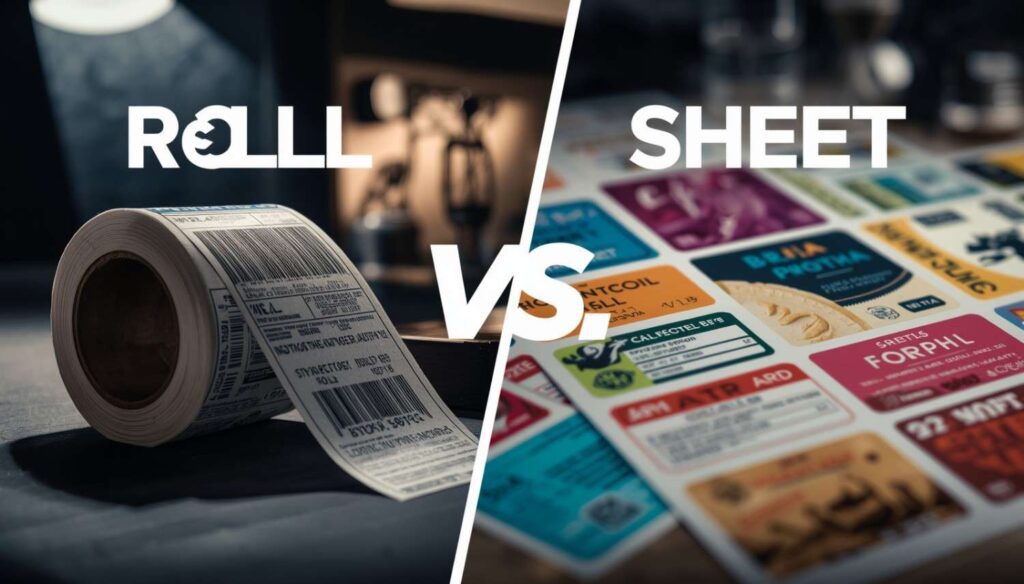
When it comes to product packaging and branding, choosing the right label format is just as important as selecting the right design. Businesses often face a common question: Roll Labels vs Sheet Labels: Which Is Better? Both options are widely used across different industries, but each serves a unique purpose depending on production volume, application method, budget, and packaging requirements.
Whether you are launching a new product, rebranding existing packaging, or looking for efficient label printing solutions, understanding the differences between custom labels can help you make the right decision. In this guide, we will compare both options in detail, explain their advantages, and help you determine which labeling solution best fits your business needs.
What Are Roll Labels?
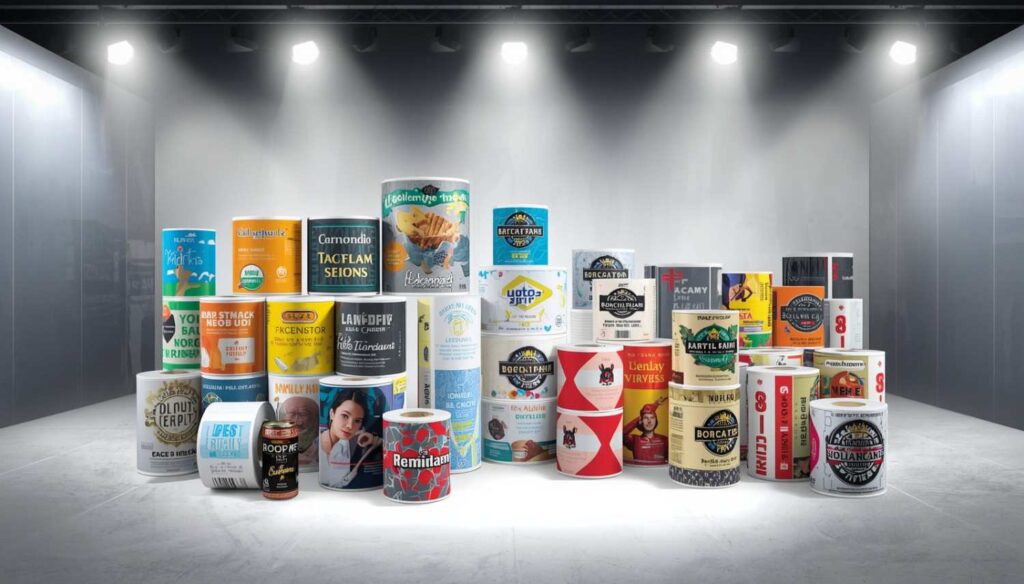
Roll labels are labels printed on a continuous roll and wound around a core. They are commonly used for high-volume production and can be applied manually or with automated labeling machines.
These labels are popular in industries such as food and beverage, cosmetics, pharmaceuticals, health supplements, household products, and retail packaging. Because they are supplied in rolls, they allow businesses to label products quickly and efficiently, making them ideal for large-scale operations.
Custom roll labels are available in various shapes, sizes, materials, and finishes, allowing brands to create professional-looking packaging that stands out on store shelves.
What Are Sheet Labels?
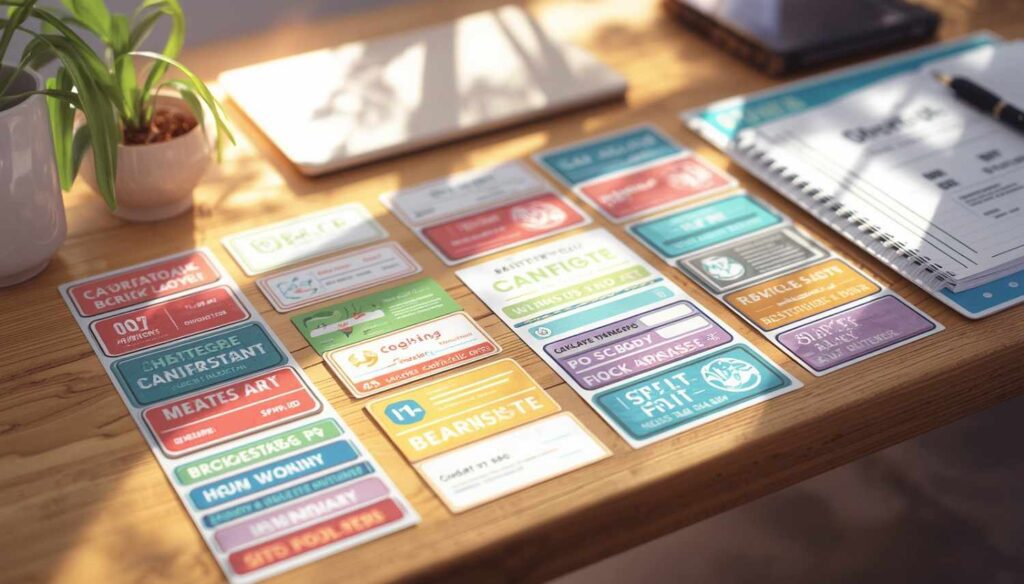
Sheet labels are labels printed on flat sheets, usually containing multiple labels per page. They are commonly used for smaller production runs, office use, shipping labels, promotional products, and businesses that do not require automated labeling systems.
Since custom sheet labels can be printed using standard desktop printers, they provide a flexible and cost-effective solution for small businesses, startups, and organizations with lower labeling demands.
Sheet labels are available in numerous shapes and sizes and can be customized according to branding requirements.
Roll Labels vs Sheet Labels: Quick Comparison
| Feature | Roll Labels | Sheet Labels |
| Format | Labels wound on a roll | Labels arranged on flat sheets |
| Best For | High-volume production | Low to medium-volume applications |
| Application Method | Manual or automatic | Primarily manual |
| Production Speed | Faster | Slower |
| Cost Efficiency | Better for large orders | Better for small orders |
| Printer Compatibility | Commercial printing equipment | Desktop and office printers |
| Waste Reduction | Lower waste during production | Can create more material waste |
| Packaging Appearance | Professional and consistent | Suitable for basic applications |
| Durability Options | Extensive material choices | Limited compared to roll labels |
Advantages of Roll Labels
Roll labels offer several benefits for businesses that require professional packaging and efficient product labeling:
- Compatible with automated labeling machines for faster application.
- Help label thousands of products quickly and accurately.
- Increase productivity while reducing labor costs.
- Available in a wide range of customization options.
- Support premium finishes such as metallic, matte, gloss, and clear labels.
- Offer specialty adhesive options for different packaging needs.
- Ensure consistent label placement across all products.
- Create a professional and polished appearance.
- Strengthen brand credibility and shelf appeal.
- Ideal for businesses with high-volume production requirements.
- Provide a scalable labeling solution for future business growth.
Advantages of Sheet Labels
Sheet labels remain a practical and cost-effective solution for many businesses:
- Easy to print using standard office or desktop printers.
- No need for specialized labeling equipment.
- Ideal for startups, small businesses, and home-based operations.
- Suitable for seasonal promotions and limited product runs.
- Cost-effective for short-run label printing projects.
- Simple to store due to their flat-sheet format.
- Easy to organize and manage.
- Allow businesses to print labels on demand.
- Provide flexibility for frequently changing label information.
- Suitable for shipping labels, address labels, and promotional stickers.
- Offer a convenient solution for low- to medium-volume labeling needs.
When Should You Choose Roll Labels?
Roll labels are generally the better choice when your business handles large quantities of products or requires a professional packaging solution.
If your products are sold in retail stores, e-commerce channels, supermarkets, or specialty shops, roll labels help maintain a consistent brand image. They are also ideal when using automated applicators or planning to scale production in the future.
Many businesses choose roll labels for bottles, jars, boxes, Custom pouches, tubes, containers, and other commercial packaging because they offer durability, efficiency, and premium presentation.
At this stage, many growing brands work with experienced packaging providers, AttaPack, to create custom labeling solutions that support product visibility and strengthen brand recognition.
When Should You Choose Sheet Labels?
Sheet labels are often the preferred option for businesses with lower production volumes or occasional labeling needs.
They work well for address labels, promotional stickers, event materials, shipping labels, and limited-edition product packaging. Companies that frequently update product information or need flexible printing options may also benefit from sheet labels.
For businesses that do not require automated application systems, sheet labels provide a simple and affordable solution without compromising quality.
Which Option Is More Cost-Effective?
For small orders, sheet labels often have a lower upfront cost because they can be printed using existing office equipment. This makes them attractive for startups and small businesses.
However, as order volume increases, roll labels typically become more economical. Their production efficiency, reduced labor costs, and compatibility with automated systems help lower overall labeling expenses.
Businesses planning long-term growth often find that investing in roll labels delivers greater value over time.
Which Option Offers Better Branding?
From a branding perspective, roll labels generally provide more opportunities for customization and premium finishes.
Modern label printing technology allows businesses to incorporate vibrant colors, specialty coatings, embossing effects, transparent materials, and durable adhesives into roll label designs. These features help products stand out on crowded shelves and create a memorable customer experience.
Environmental Considerations
However, roll labels often generate less production waste during large-scale manufacturing and application processes. Many label suppliers now offer sustainable materials, biodegradable adhesives, and recyclable liners to support environmentally responsible packaging initiatives.
Companies looking to reduce their environmental footprint should discuss sustainable label printing options with their packaging provider.
Conclusion
When comparing roll labels vs sheet labels, there is no single solution that works for every business. The right choice depends on your production volume, application method, budget, and branding goals.
If you need professional packaging, faster application, and scalability for growing operations, roll labels are usually the better investment. Their efficiency, customization capabilities, and compatibility with automated systems make them ideal for commercial product packaging.
On the other hand, sheet labels are an excellent choice for small businesses, short production runs, and projects requiring flexible desktop printing.
By evaluating your current needs and future growth plans, you can choose the labeling solution that delivers the best value while supporting your brand’s long-term success.