AttaPack is based in Austin, TX. Our services reach nationally for your convenience.


Custom cannabis boxes help you protect your products, organize individual items, and present your brand clearly. Whether you package flower, pre-rolls, edibles, tinctures, or other cannabis products, the right box supports storage, handling, and retail presentation. You can select custom dimensions, suitable materials, printed artwork, and finishing options to meet your packaging needs. AttaPack helps you plan packaging around your product type, brand identity, and target market. You also need to consider product labeling, tamper evidence, and child-resistant requirements where applicable.


Free Design Support

Best and Competitive Pricing

High-Quality Offset Printing

Low Minimums Orders
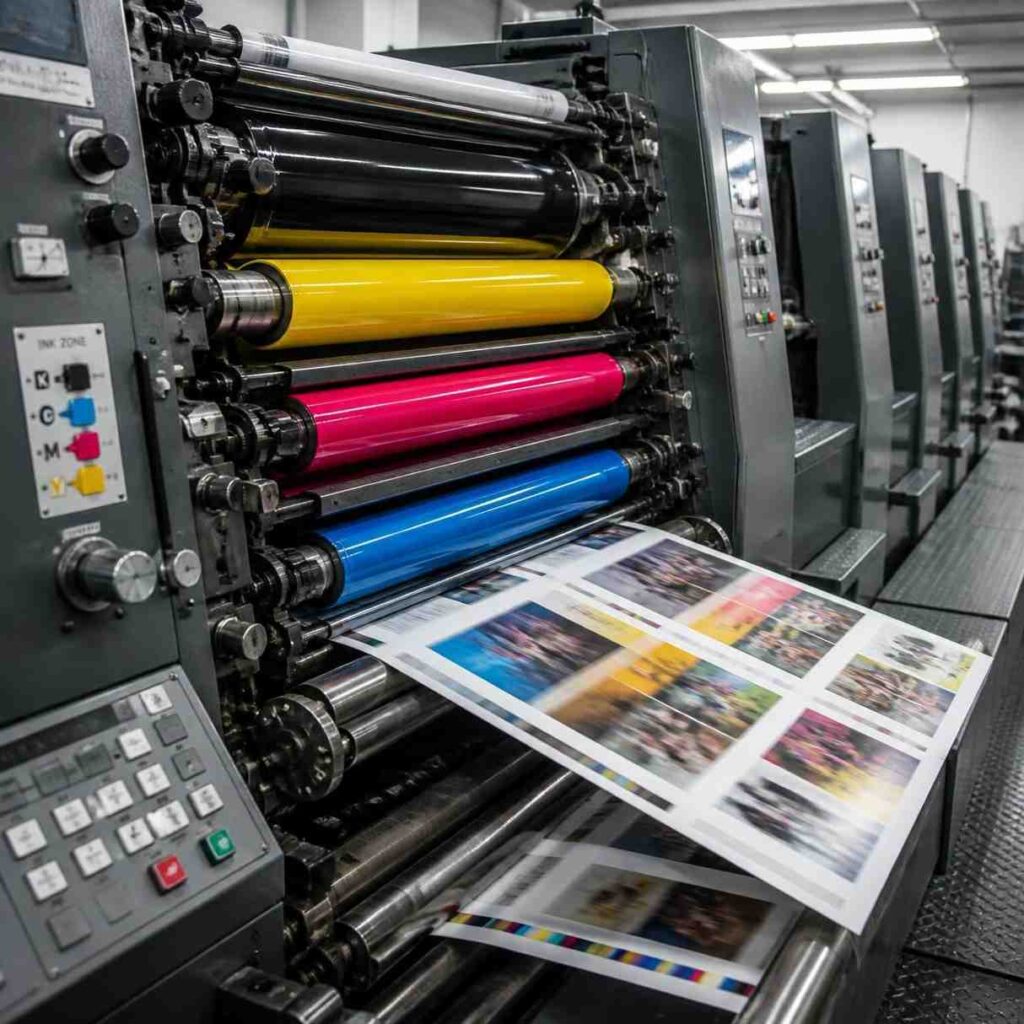
Ideal for large production runs, offset printing delivers exceptional color consistency, sharp details, and professional-quality results at a cost-effective price.
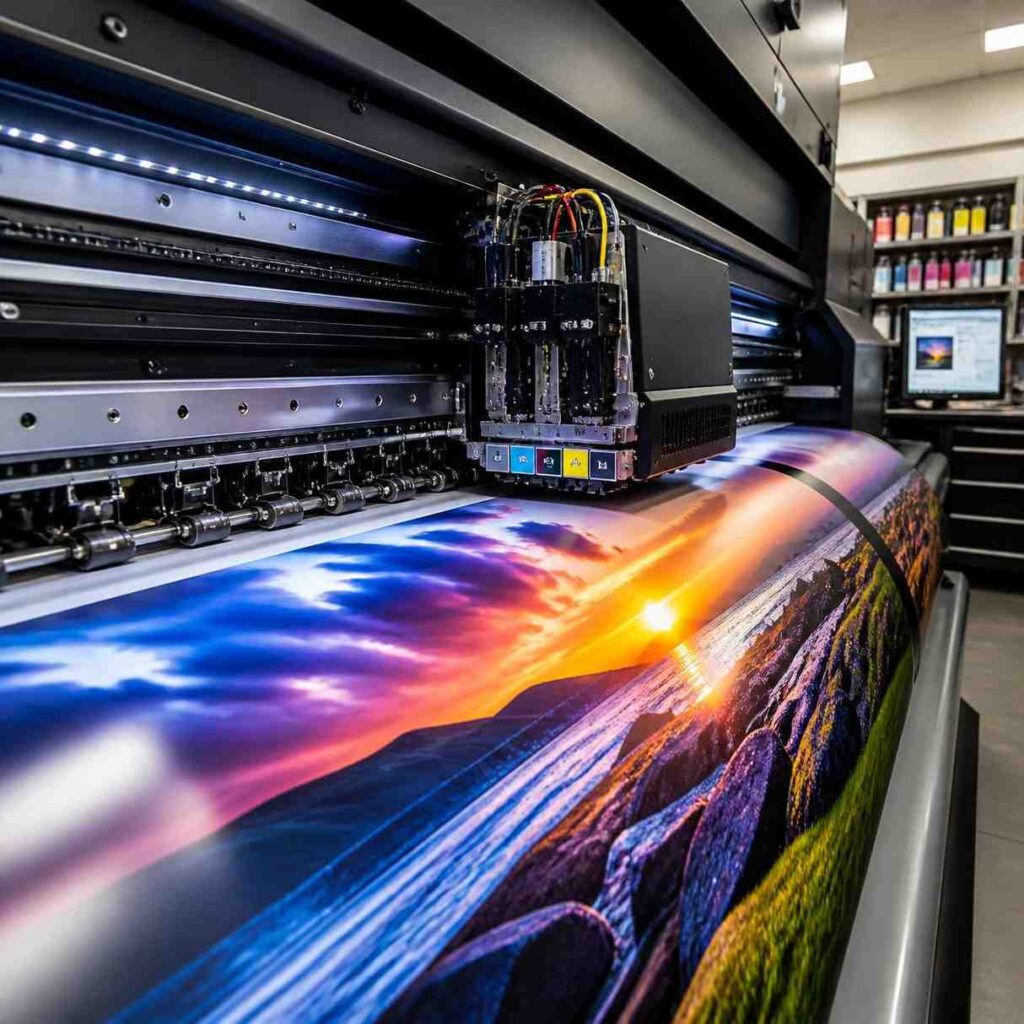
Perfect for short-run orders, digital printing produces high-quality graphics with quick turnaround times and no printing plates required.
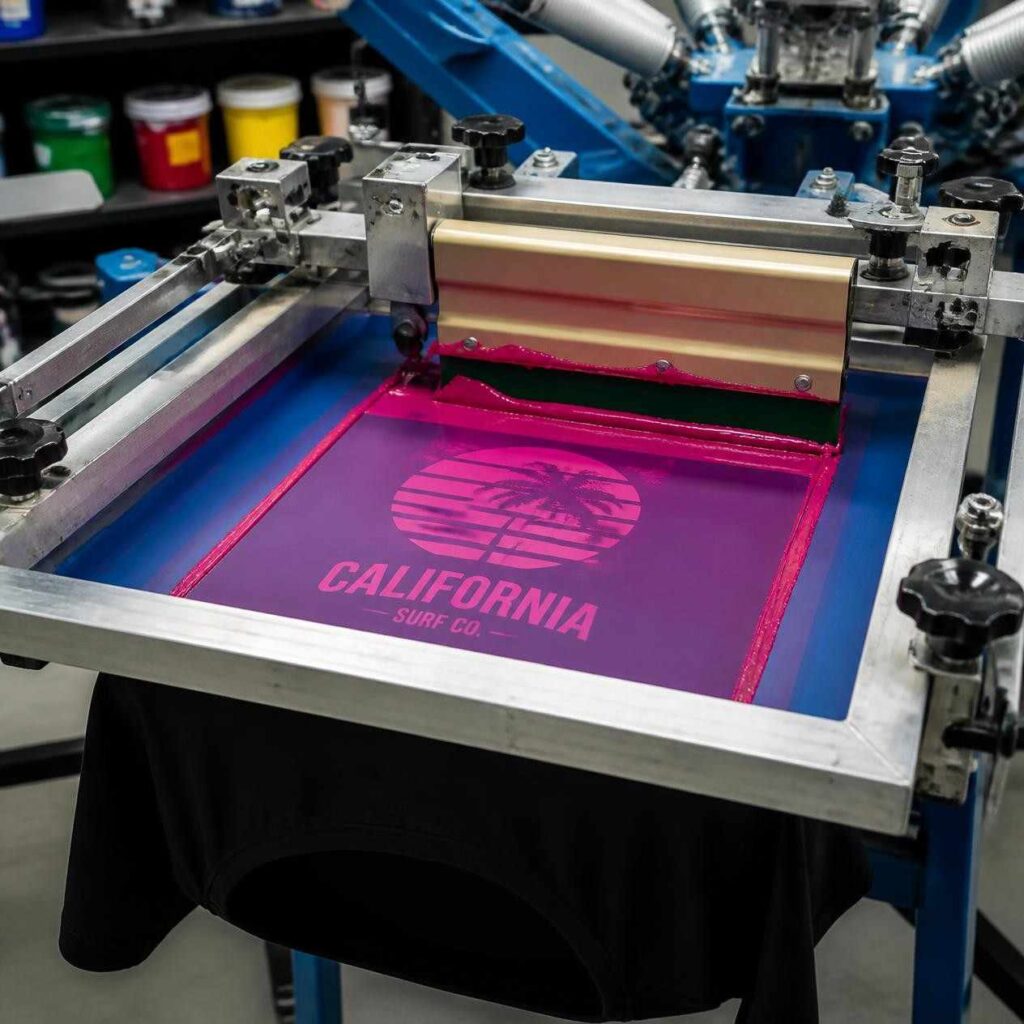
A durable printing technique that applies ink through a mesh screen, making it ideal for bold designs, specialty inks, and long-lasting prints.
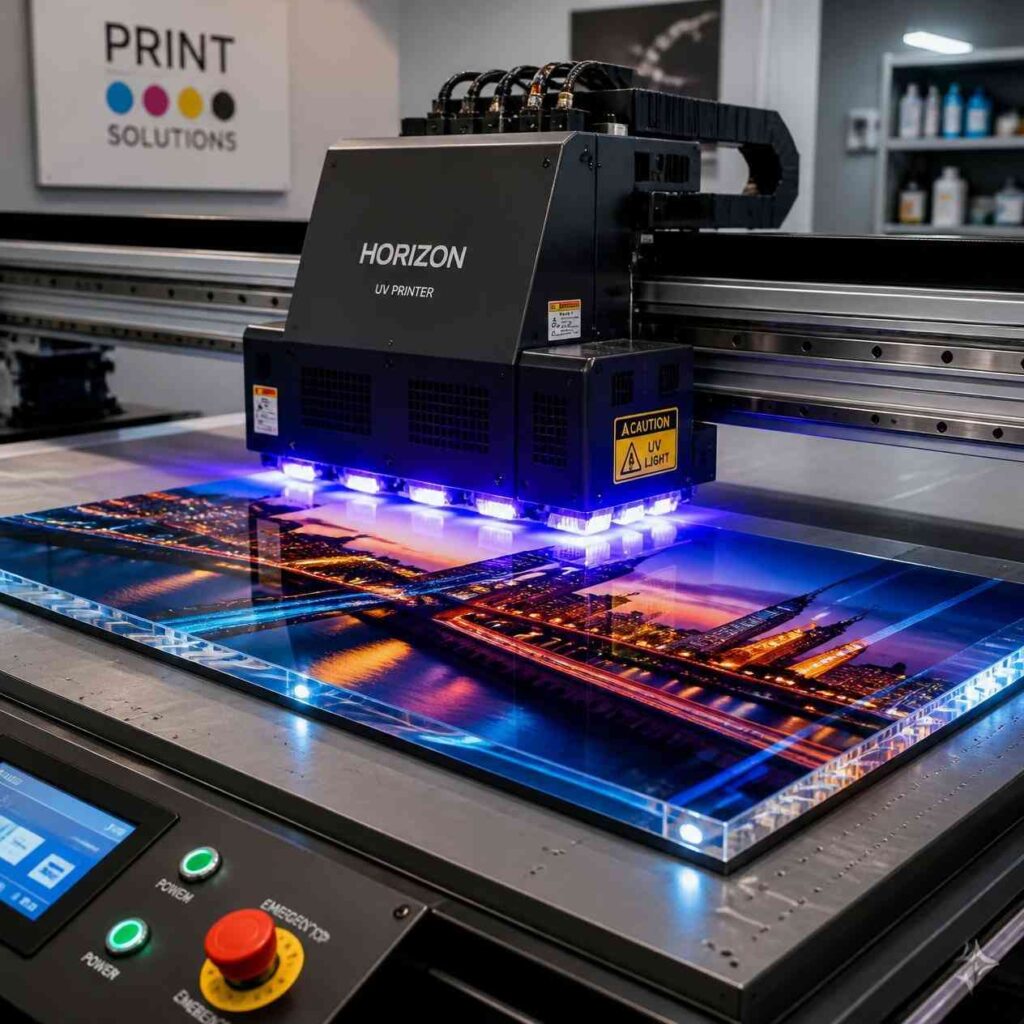
Using ultraviolet light to instantly cure ink, UV printing creates vibrant colors, crisp details, and a smooth, scratch-resistant finish.
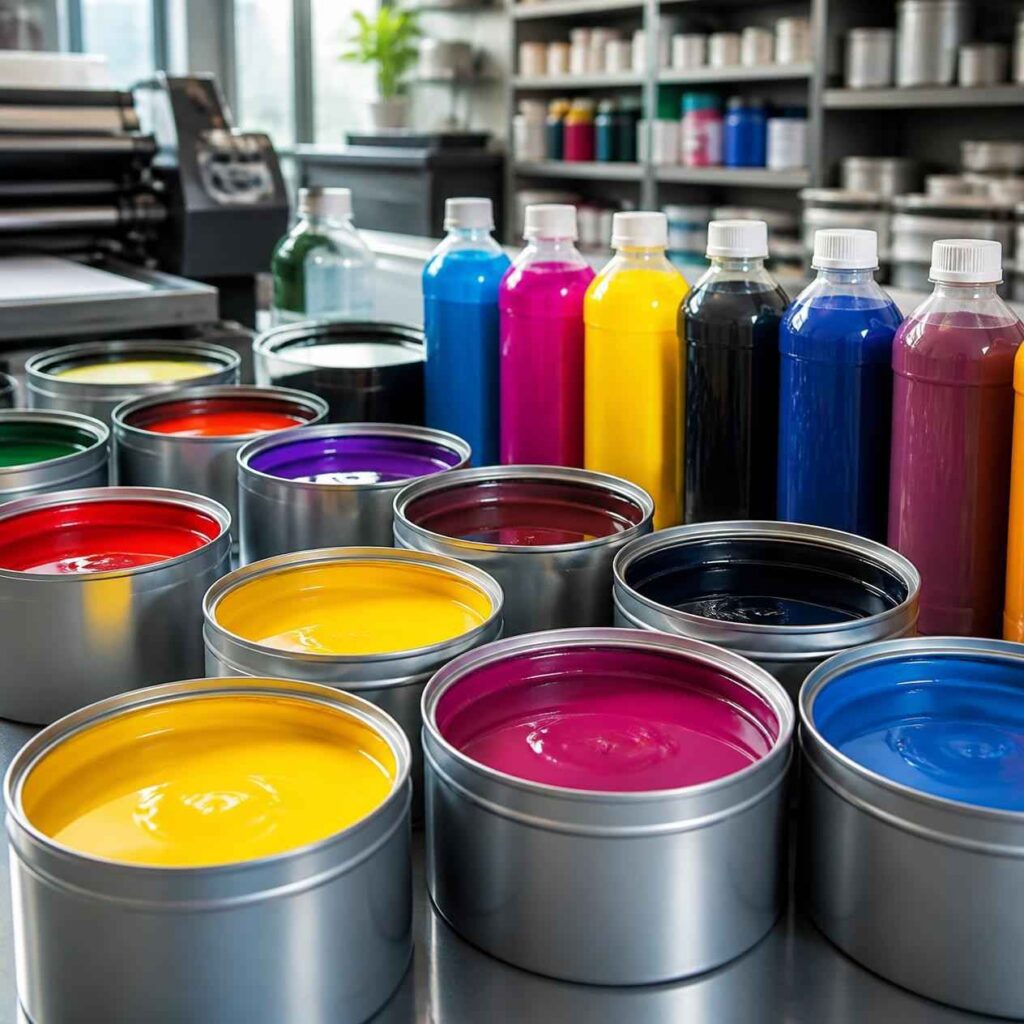
An environmentally friendly ink solution that provides vibrant colors with low emissions. Water-based inks are ideal for brands looking for sustainable packaging without compromising print quality.
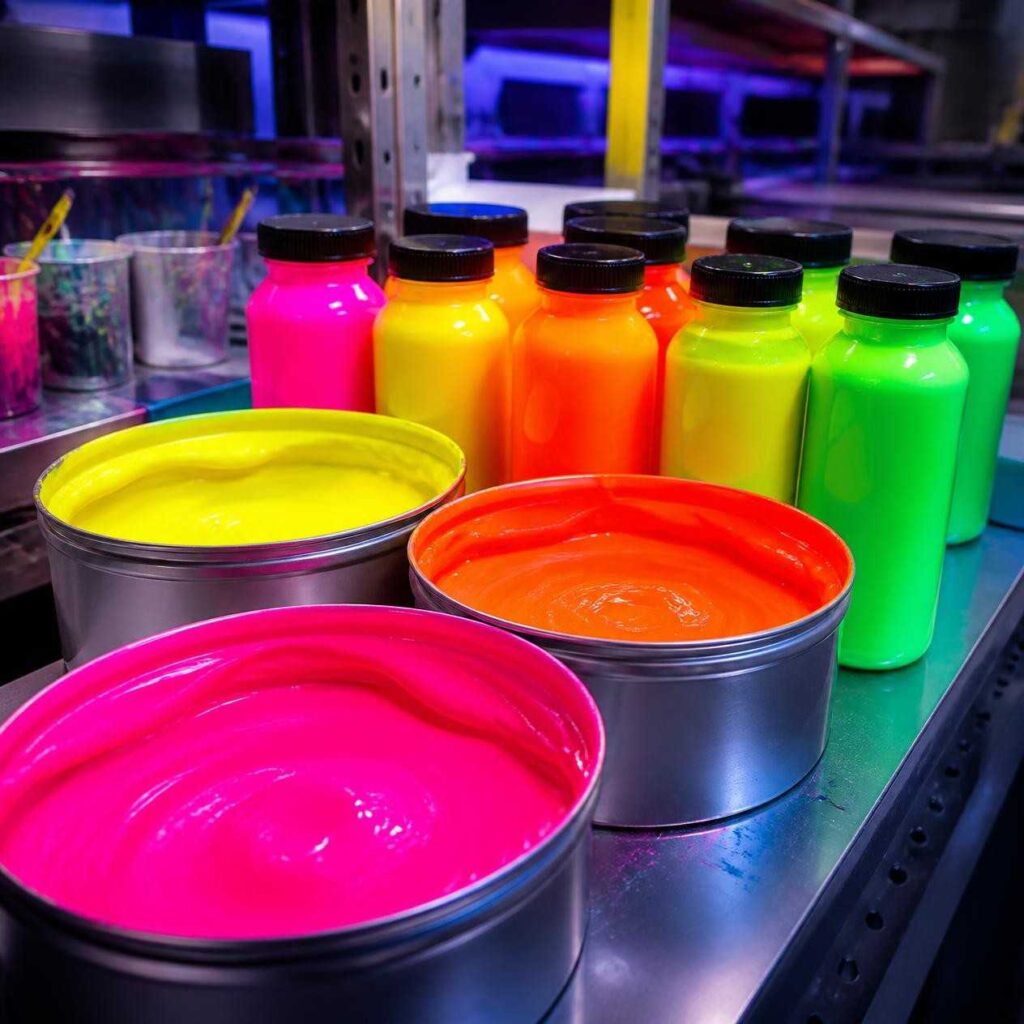
Create eye-catching packaging with bright, UV-reactive fluorescent inks. These vivid colors stand out under both natural and ultraviolet lighting, making your products more noticeable.
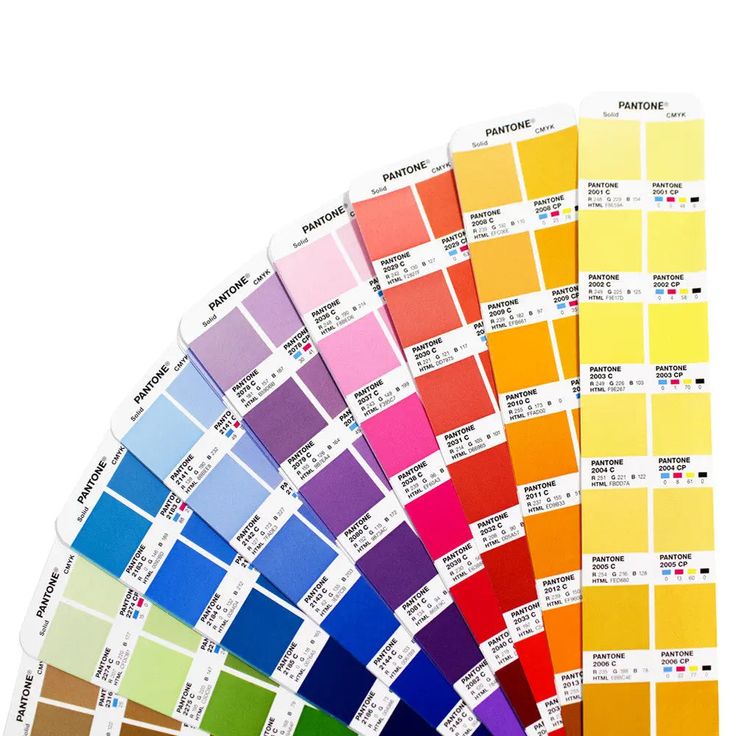
Achieve precise and consistent brand colors with Pantone Matching System (PMS) inks. This option ensures accurate color reproduction across every print run for a professional finish.
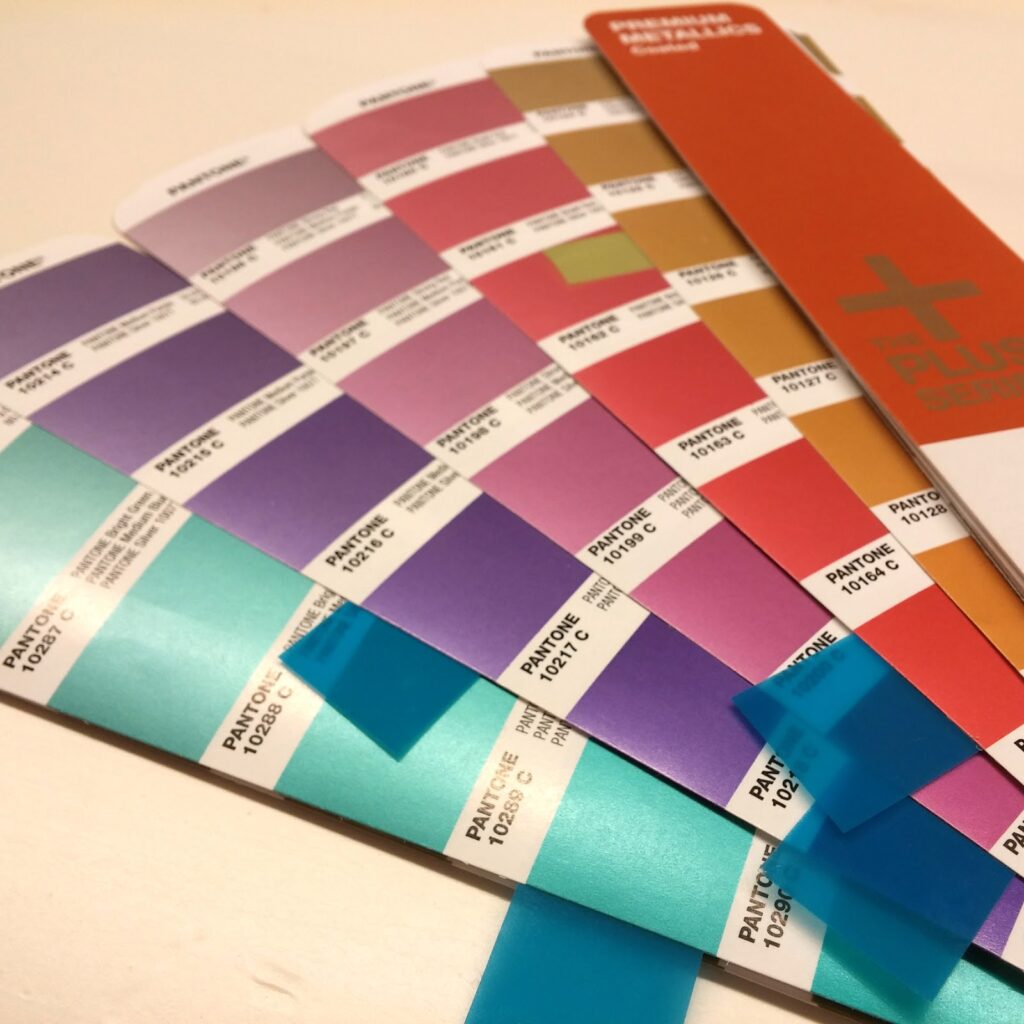
Add a premium metallic effect to your packaging with Pantone Metallic inks. These specialized inks create elegant gold, silver, and other metallic shades that enhance shelf appeal and give your packaging a luxurious look.
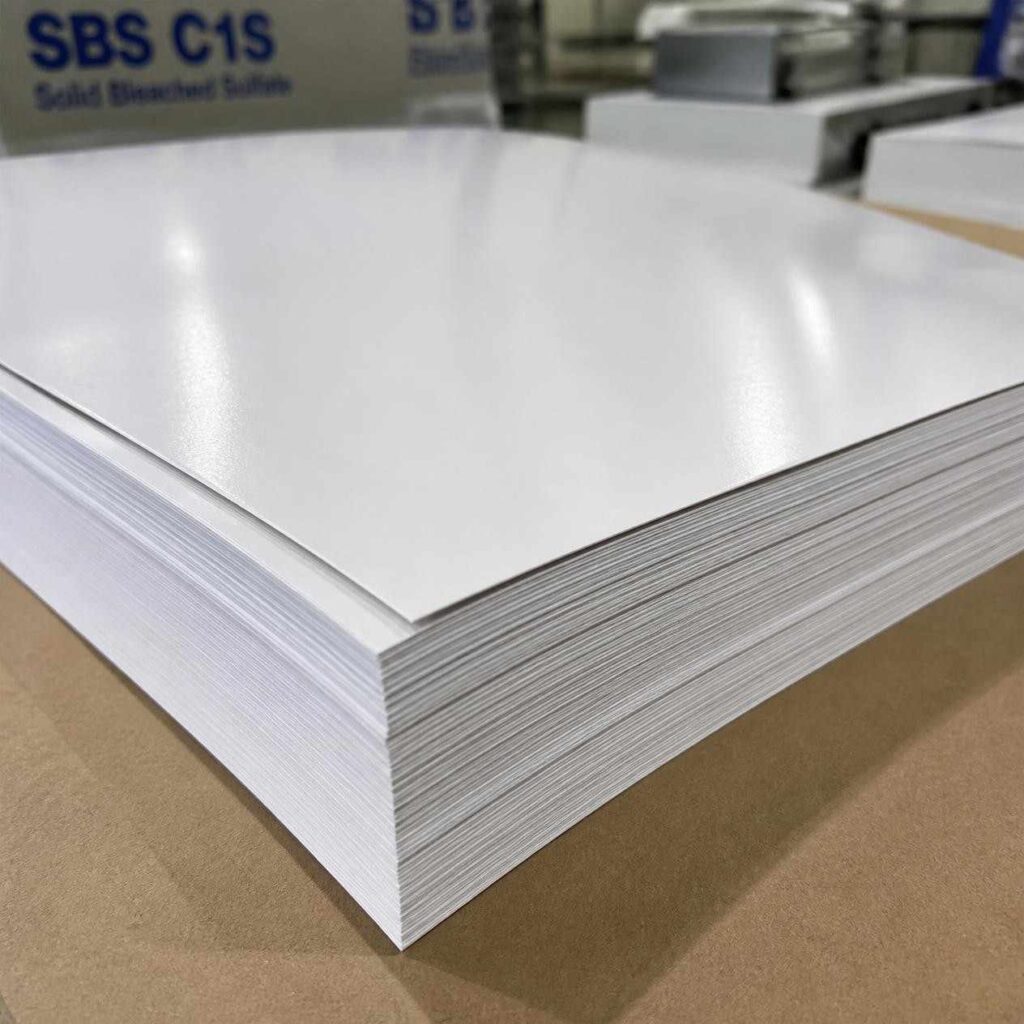
Solid Bleached Sulfate (SBS C1S) is a premium paperboard coated on one side for excellent print quality. It offers a smooth, bright surface, making it ideal for high-end retail packaging and product boxes.
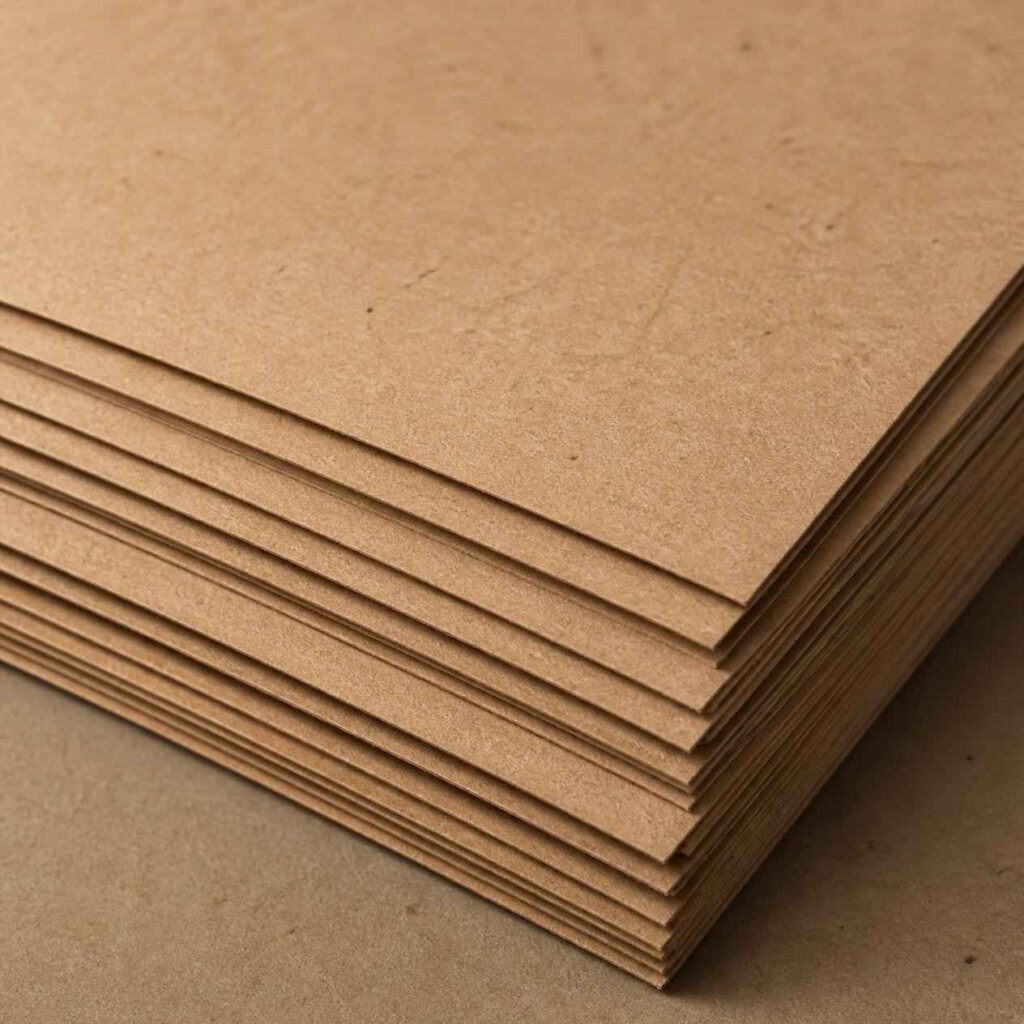
Natural Brown Kraft is made from strong, recyclable fibers, giving it a natural and rustic appearance. It is a sustainable packaging material that combines durability with an environmentally friendly look.
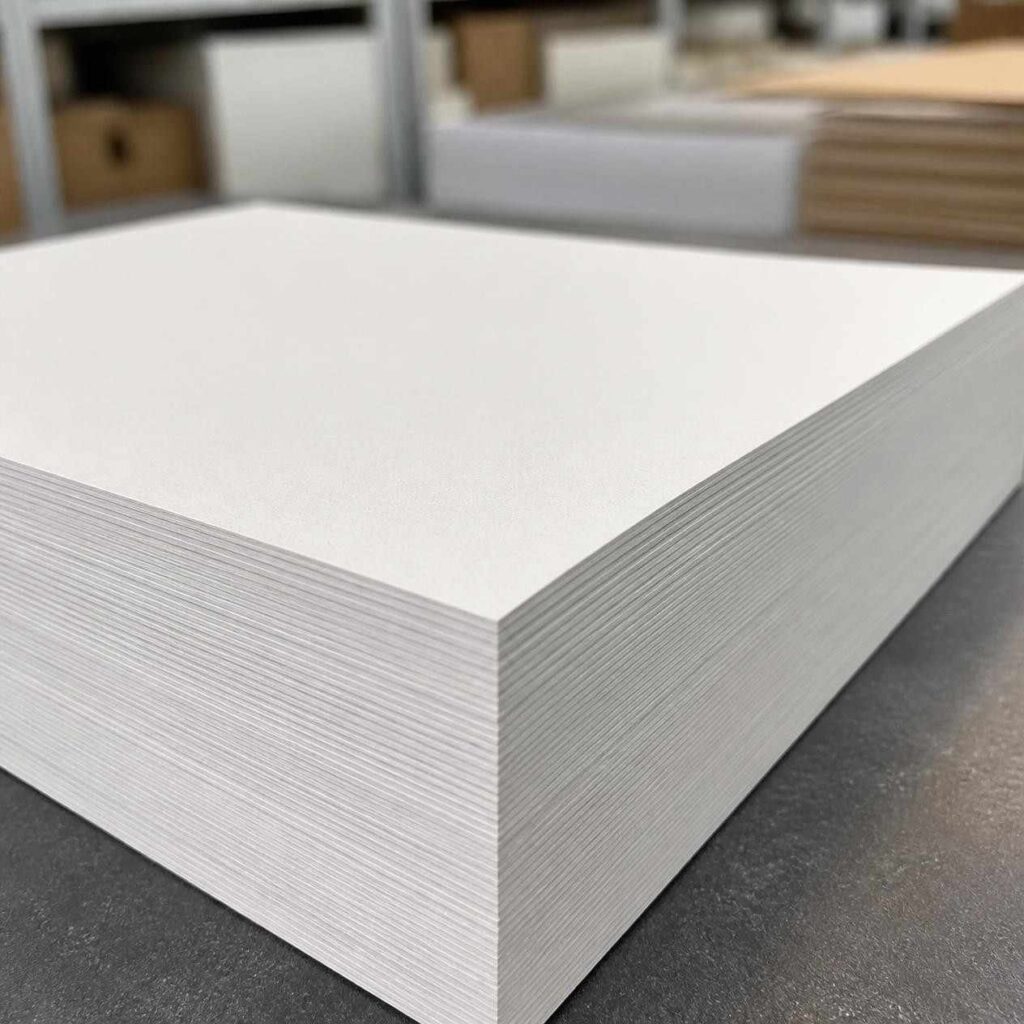
White Kraft is a durable and eco-friendly paperboard with a clean white finish. It provides excellent print results while offering the strength needed for a wide range of custom packaging applications.
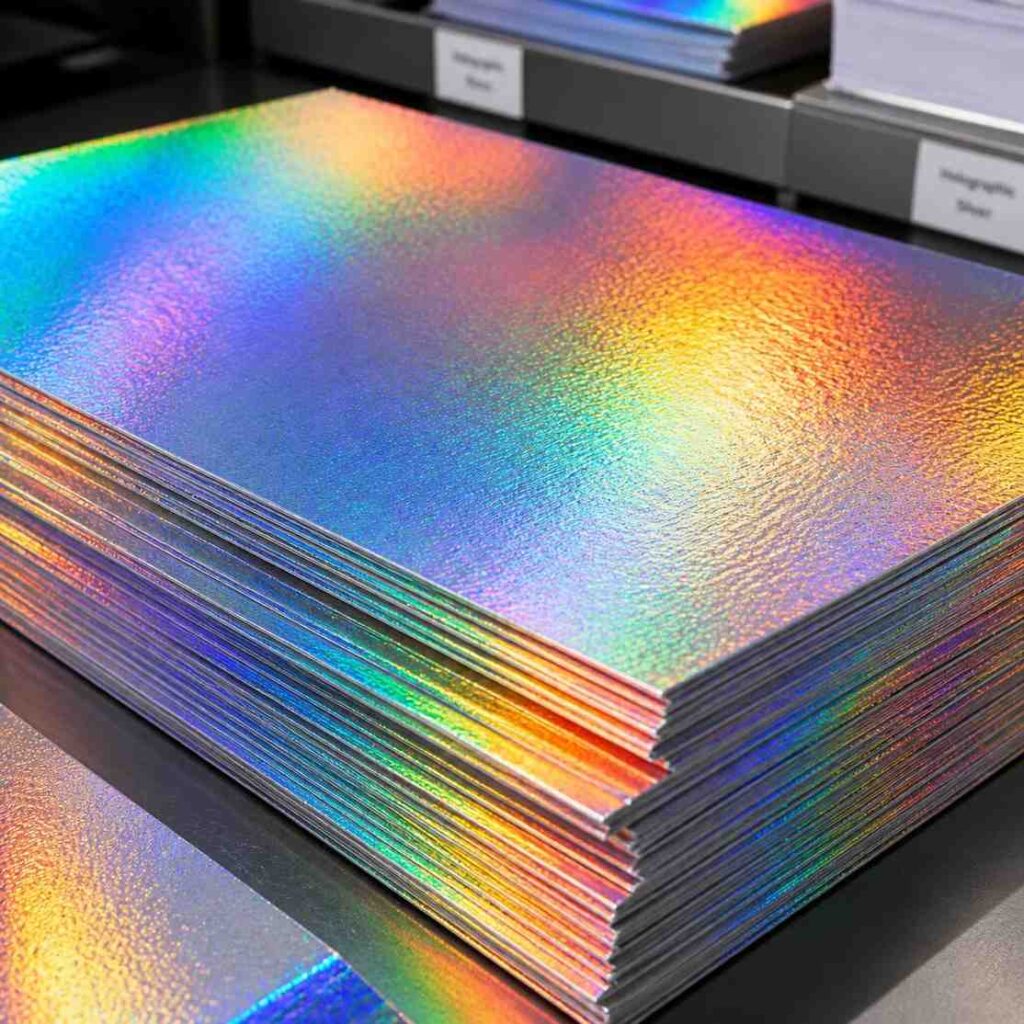
Holographic paper features a reflective, rainbow-like finish that creates a striking visual effect. It is perfect for premium packaging, promotional products, and luxury brands looking to make a memorable impression.
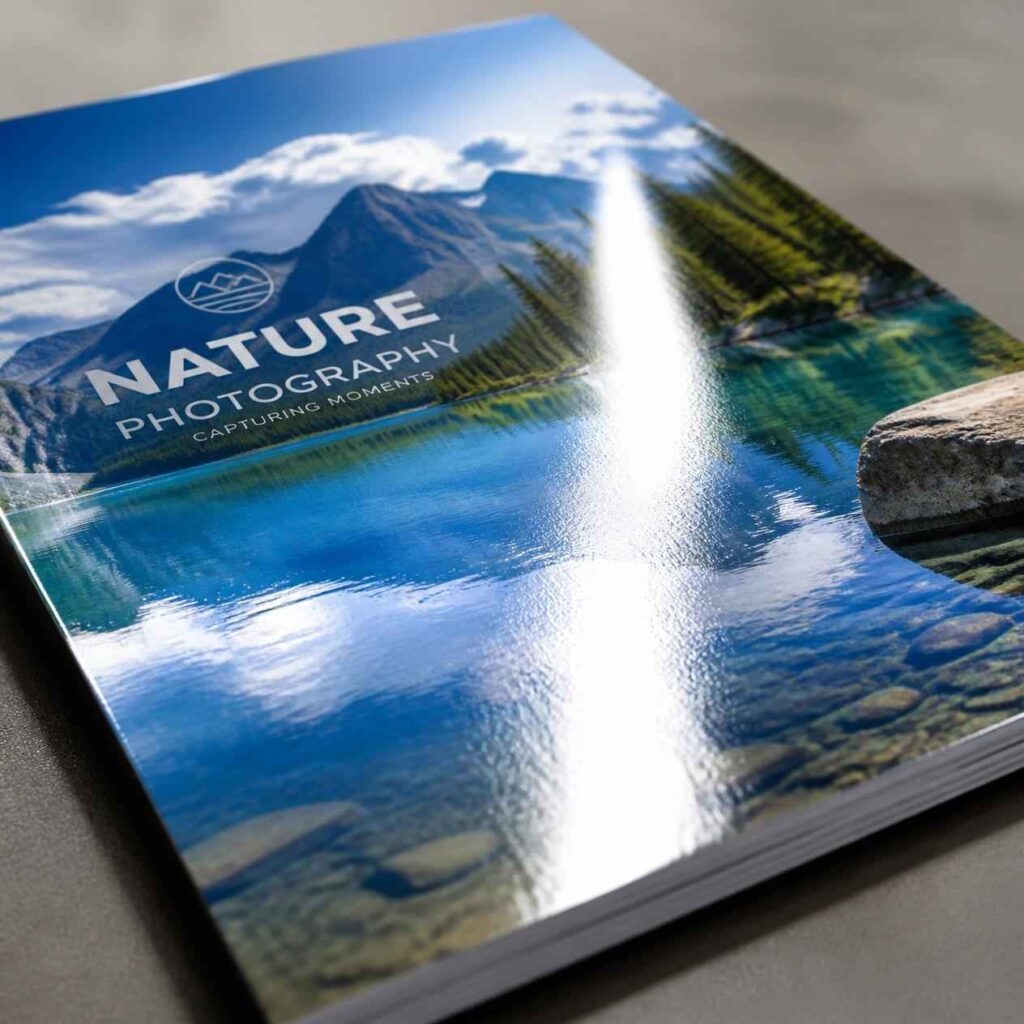
Gloss lamination provides a smooth, reflective finish that enhances color vibrancy while protecting the packaging from scratches, moisture, and everyday wear.
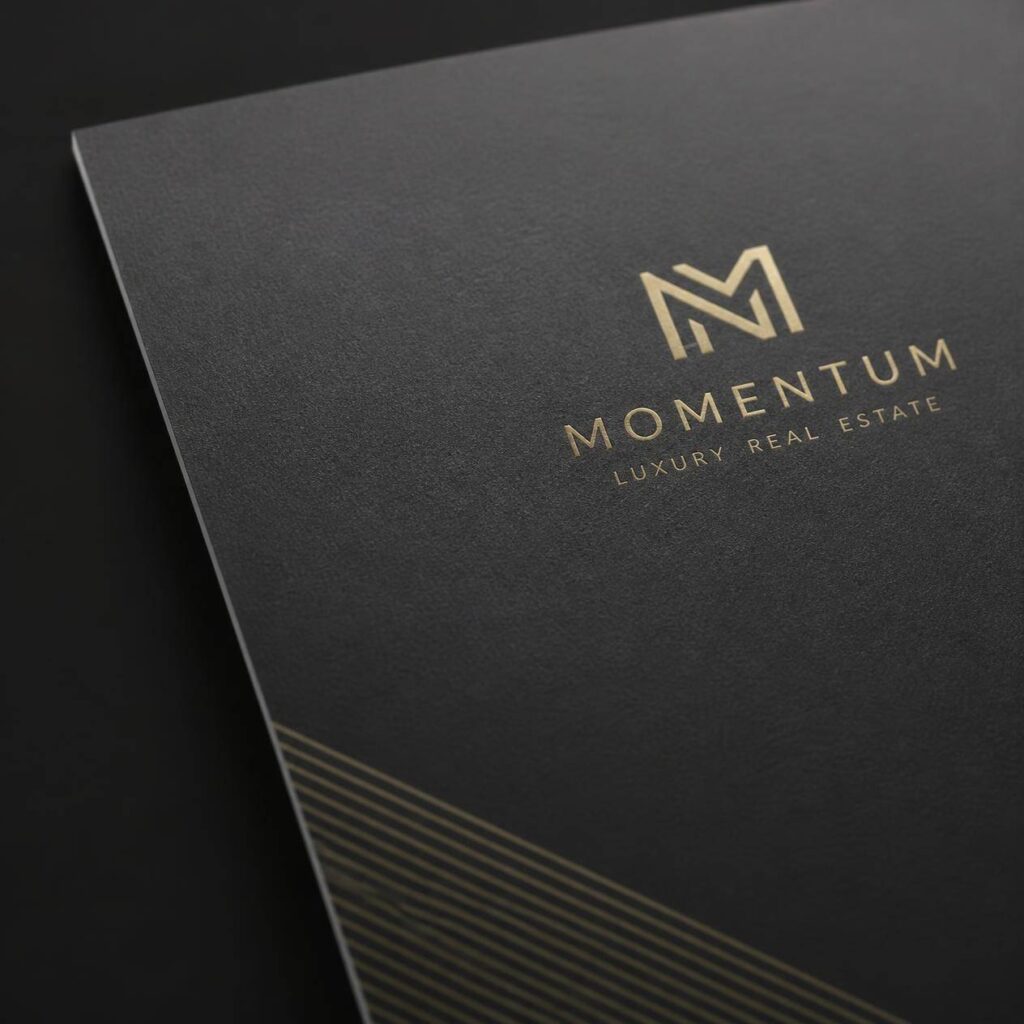
Matte lamination delivers a soft, non-reflective surface with a modern and sophisticated appearance. It also helps protect printed designs from fingerprints and minor scuffs.
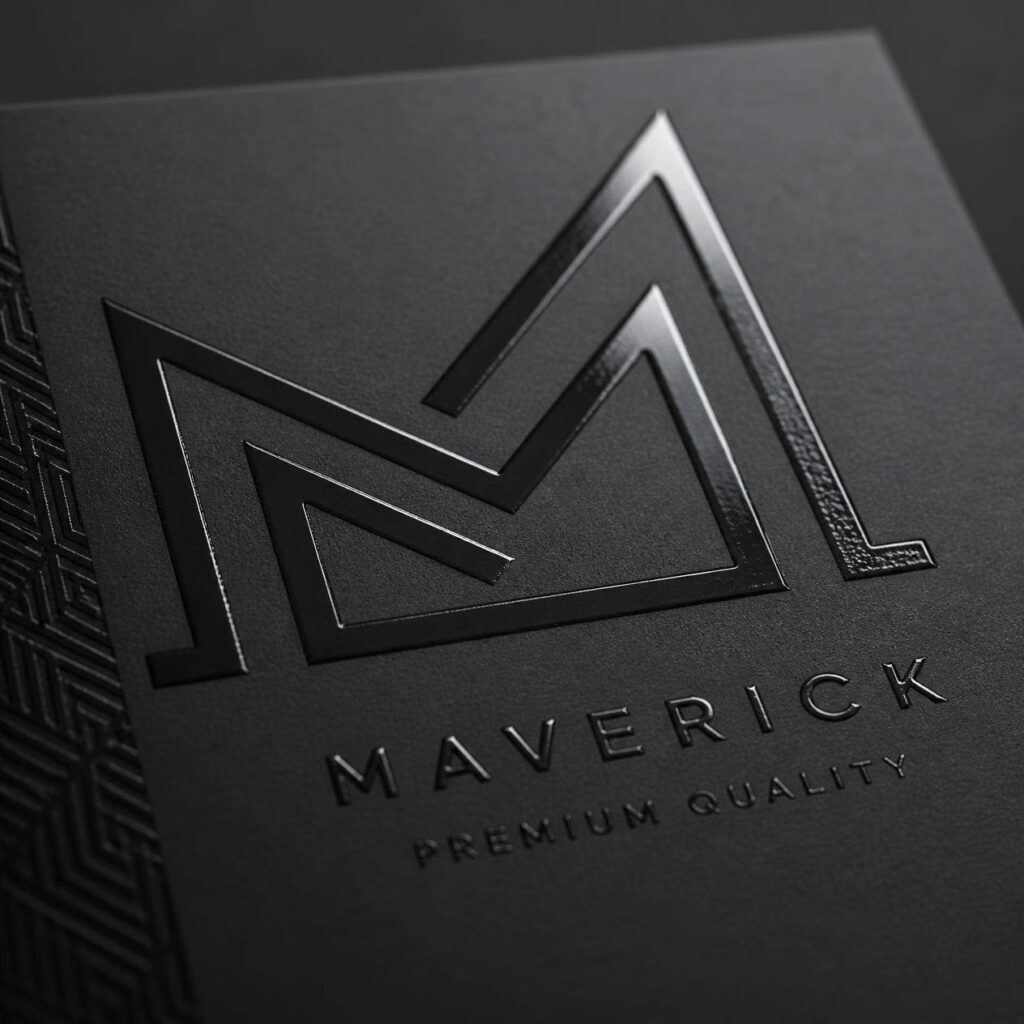
Spot UV applies a high-gloss coating to selected design elements, such as logos or text, creating contrast and making key features stand out with a premium finish.

UV coating is a durable, fast-curing finish that provides excellent protection and a vibrant appearance. It enhances print quality while increasing resistance to fading, moisture, and abrasion.
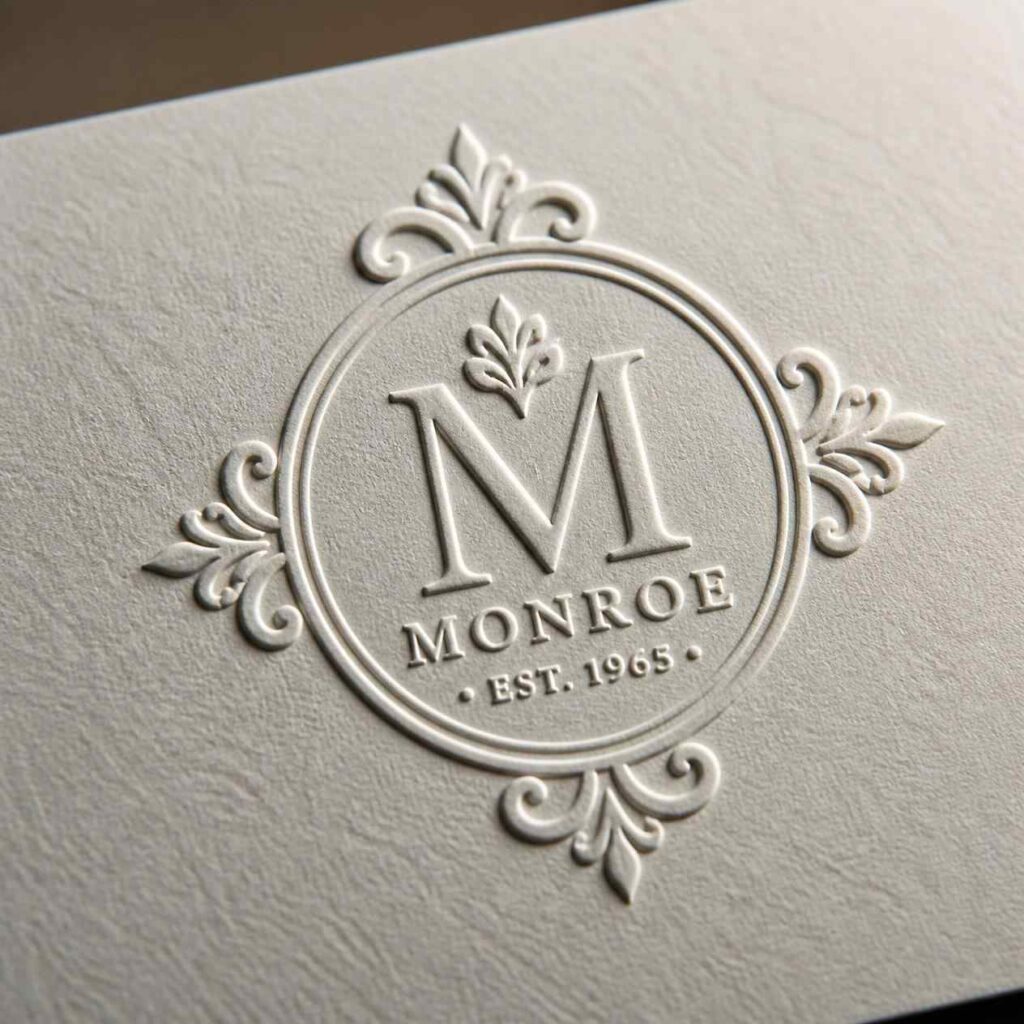
Embossing creates a raised design on the surface of the packaging, adding texture and a sophisticated look. It is perfect for highlighting logos, brand names, and premium design elements.

Debossing presses artwork into the material to create a recessed effect. This elegant finish adds depth and a refined appearance, making your packaging feel more luxurious.
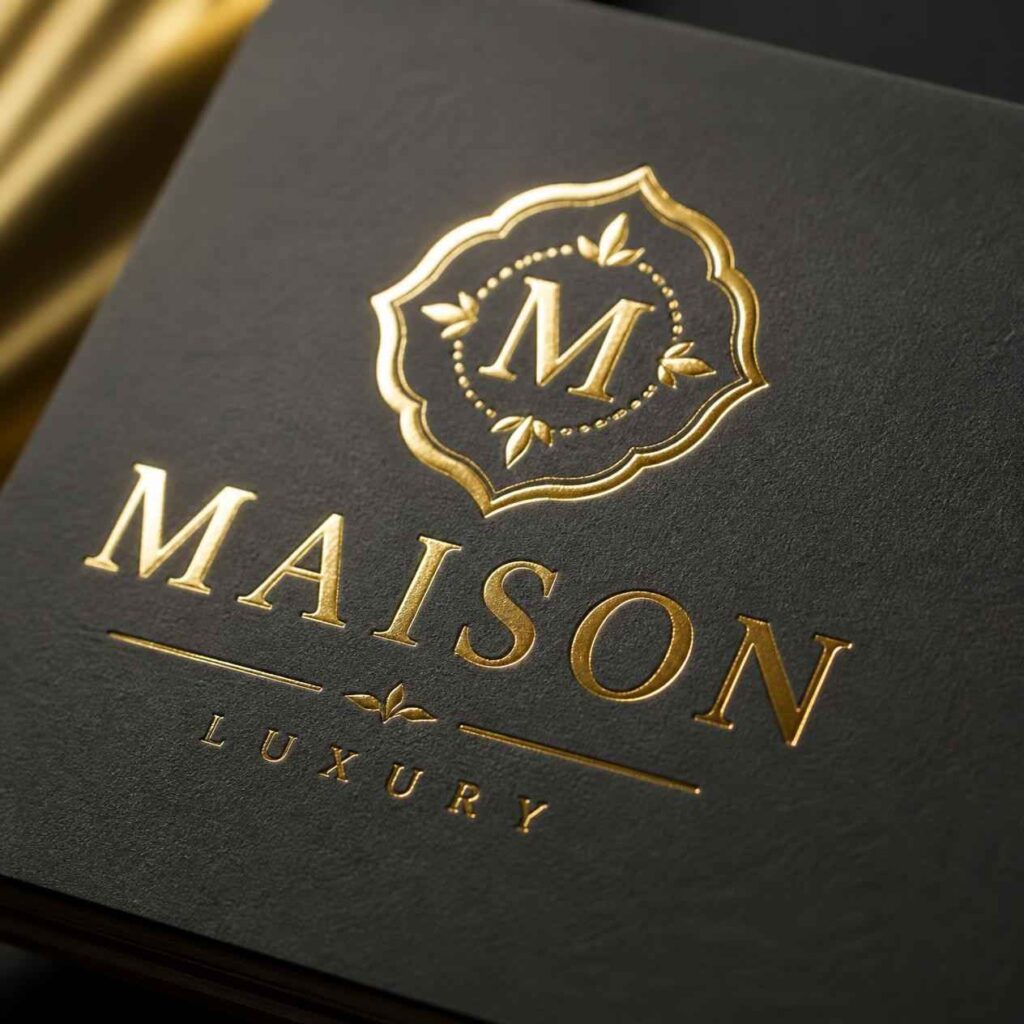
Hot foil stamping applies metallic or colored foil to selected areas using heat and pressure. It delivers a brilliant, high-end finish that enhances logos, text, and decorative details.
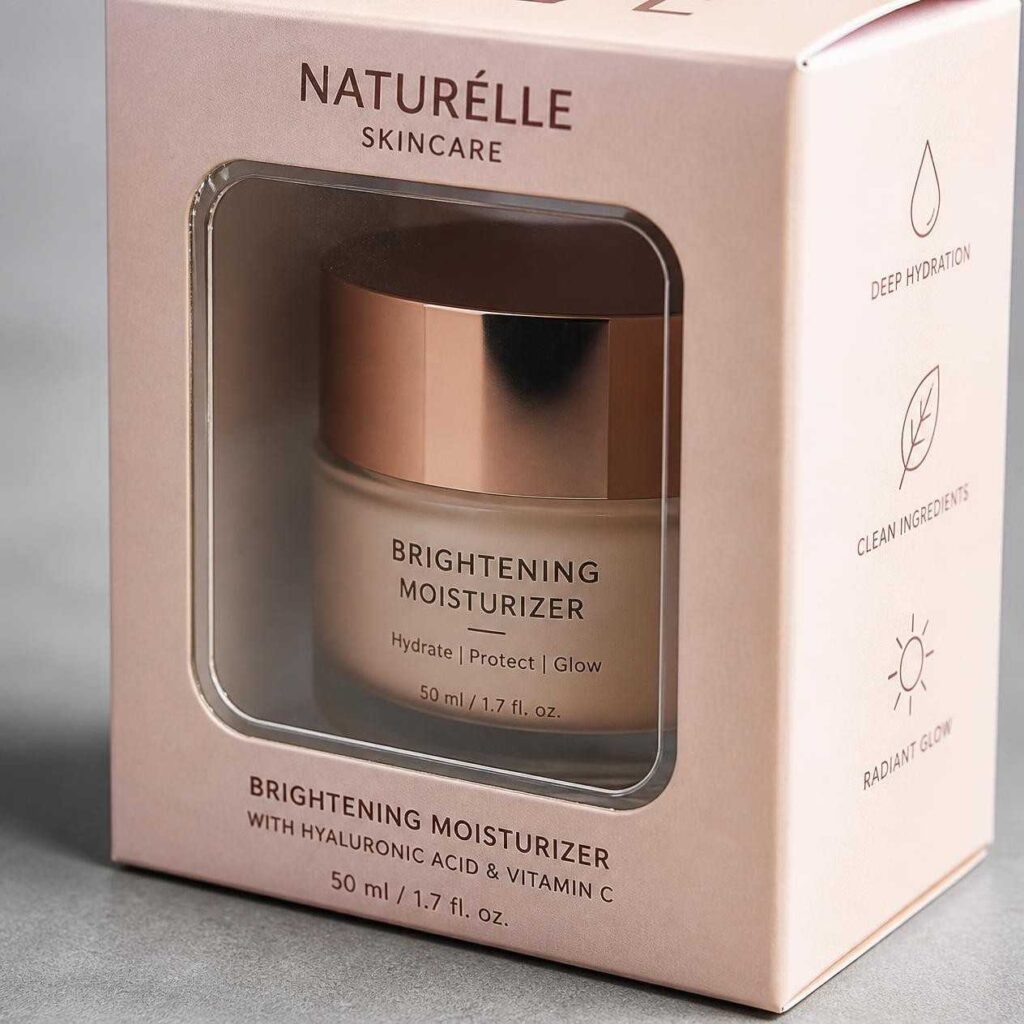
Window patching adds a transparent film behind a die-cut opening, allowing customers to view the product without opening the package. This feature improves product visibility while maintaining protection and presentation.
HOW DOES THE PROCESS WORK
Receive a free custom packaging quote tailored to your product requirements—fast, simple, and hassle-free.
Choose the perfect packaging material & premium finishing options, including lamination, foil stamping, embossing, spot UV.
Share your design file or let our expert team create a print-ready design with 3D mockups for your approval.
After your approval, we print your packaging, perform strict quality inspections, and deliver your order safely to your doorstep.
Different cannabis products need different packaging structures. A small tincture bottle requires a different carton from a flower jar, a pre-roll pack, or a gift set containing several items.
Well-planned cannabis packaging starts with your product’s size, weight, and storage needs. The box should fit the contents, provide suitable support, and leave enough space for required product information.
A custom package helps you manage these requirements through:
Your choice should reflect how you sell and distribute the product. A folding carton might suit a small retail item, while corrugated cardboard provides added support for shipping. A rigid box offers a different presentation for gift sets and premium collections.
The packaging structure affects how well a product stays organized during handling. It also influences how easily your staff packs orders and how customers access the contents.
Cannabis products often use jars, bottles, cartridges, or individual wrappers. An internal insert helps separate these items and reduces unwanted movement inside the box.
You might choose paperboard dividers for a lightweight product set or a shaped insert for a glass container. Select the insert according to the product’s weight, shape, and protection needs.
Some products need additional protection from environmental exposure. However, an ordinary paperboard box does not automatically provide a moisture barrier, prevent odor transfer, or preserve product freshness.
If your product needs these properties, specify a suitable inner container, liner, or barrier material. Confirm the performance of the complete packaging system rather than relying on the outer carton alone.
A standard tuck flap works for many retail cartons. Other products require tamper-evident seals or specialized child-resistant closures.
These functions serve different purposes. Tamper evidence helps show whether a package has been opened, while child-resistant features address access by children. Confirm the applicable requirements for your product and destination market before selecting a closure.
Custom cannabis packaging gives you control over the exterior design and, where the structure allows, the interior presentation.
Start with your logo, product name, and main product details. Organize the information so customers can identify the product without searching through decorative graphics.
Your packaging artwork might include:
Keep the text readable. Use enough contrast between the background and the lettering. Place important details away from folds, cutting lines, and closure areas.
Your final artwork should follow the labeling rules for your product and market. Have required product information reviewed before approving the print files. Packaging artwork alone does not establish regulatory compliance.
Material choice affects strength, print quality, weight, and appearance. The right grade depends on your product and how the package will be handled.
Kraft board provides a brown or natural surface for simple branding. It suits businesses that prefer restrained graphics and a straightforward presentation.
Available grades differ in stiffness and print performance. Choose the grade according to the carton dimensions and required protection, not appearance alone.
Cardstock and solid bleached sulfate (SBS) board provide smooth surfaces for readable text and detailed graphics. They work well for retail cartons holding lightweight products.
These materials support full-color designs and a range of finishes. For heavier products, confirm the required board thickness and structural design before placing an order.
Corrugated cardboard contains a fluted layer between liner sheets. This construction provides stiffness and helps resist crushing during normal handling.
E-flute offers a relatively thin structure with a smooth surface for printing. B-flute provides a thicker construction for applications that need additional support. Other flute combinations suit different strength and thickness requirements.
Corrugated material is useful for shipping cartons and some larger product kits. The selected grade should match the box size, product weight, and distribution conditions.
Rigid grayboard and chipboard form the core of many premium boxes. A printed paper wrap creates the finished exterior.
This construction suits gift sets, presentation kits, and products that need a firm package. Rigid boxes often ship preassembled, so account for their storage and freight requirements when planning your order.
Different structures work for different products. Compare your options based on the contents, packing process, and intended presentation.
Box Style | Example Internal Dimensions | Suitable Product | Typical Use |
Tuck-end carton | 3″ x 2″ x 1.5″ | Small retail product | Shelf packaging |
Sleeve and tray | 4″ x 3″ x 1.5″ | Small jar or product set | Organized presentation |
Corrugated box | 8″ x 6″ x 4″ | Multiple containers | Shipping and distribution |
Two-piece rigid box | 7″ x 5″ x 3″ | Gift or presentation set | Premium packaging |
Compartment box | 8″ x 6″ x 2.5″ | Multiple items or accessories | Product kits |
These dimensions are planning examples, not fixed stock sizes. Confirm the final internal measurements based on the product, insert, and material thickness.
For retail cartons, focus on a proper fit and clear labeling. For shipping, review the full protection system, including cushioning and any outer carton.
Printing communicates your brand identity. Finishing changes the surface appearance and helps establish a consistent look across your product range.
Digital printing suits many short runs and designs with frequent artwork changes. Offset printing suits many larger orders requiring consistent, detailed output. Screen printing is another option for suitable materials and artwork.
CMYK printing supports full-color designs. Selected Pantone colors are useful when your brand needs closer control over particular colors. Confirm color requirements before production, especially when packaging multiple product variants.
Finish | Appearance | Suitable Use |
Matte lamination | Smooth, low-glare surface | Simple retail designs |
Gloss lamination | Shiny surface | Bright, colorful artwork |
Soft-touch lamination | Smooth, velvety feel | Gift sets |
Spot UV | Glossy highlights | Logos and selected graphics |
Foil stamping | Metallic details | Premium presentation |
Embossing or debossing | Raised or recessed details | Brand marks and patterns |
Anti-scratch lamination | Helps reduce visible scuffs | Frequently handled cartons |
Not every finish works with every material. Confirm compatibility before combining coatings, foil, or other decorative effects.
Choose finishes that serve a clear purpose. A readable design and clear product information matter more than adding several competing effects.
Cannabis packaging boxes should fit the product without unnecessary movement or pressure on the contents.
Start by measuring the product’s length, width, and height. Include lids, droppers, protective wraps, and accessories that will sit inside the box.
Confirm whether your measurements refer to internal or external dimensions. Board thickness and inserts affect the usable space inside the finished box.
If you package several items together, measure each item and plan the layout before approving the dieline. This helps prevent a carton that fits the main product but leaves insufficient space for the accessories.
Inserts help hold items in position and separate individual components. Depending on the design, you might choose paperboard dividers, a shaped foam insert, or another suitable material.
For glass jars and bottles, assess the need for cushioning and separation. The insert should fit the container securely without putting excess pressure on it.
A die-cut window provides visibility without opening the package. A suitable clear patch covers the opening when required.
Windows are not suitable for every product. Consider the packaging’s privacy, light protection, and structural needs before adding one.
Different product types need different layouts, inserts, and labeling plans. Select your box structure based on the contents rather than using the same design for every item.
Flower containers and pre-roll packs often need compact cartons with space for product details and required warnings. The primary container should provide the protection needed for the contents.
The outer box supports branding and organization. Do not assume standard paperboard provides odor-proof or moisture-proof protection.
Bottles and jars need a carton sized to accommodate their shape and closure. Inserts help limit movement and keep multiple containers separate.
If the product uses glass, assess the risk of breakage during transport. Use suitable cushioning and verify the packaging through sample testing when needed.
Edible products require packaging suited to the product’s shelf life, storage conditions, and applicable food-contact requirements.
Standard printed board should not touch food directly unless it is suitable and approved for the intended use. A food-contact liner or primary package might be necessary. Confirm the relevant requirements before production.
A gift set might contain several jars, bottles, or accessories. Compartments help keep each item in its assigned place.
Rigid boxes and sleeve-and-tray structures provide different presentation options. Choose the design based on product weight, insert requirements, and how customers will open the package.
Good artwork preparation reduces avoidable revisions and printing errors. Follow these steps before approving your order.
A digital proof helps you review the layout. A physical sample gives you a better view of the finished structure, material, and fit.
For a new design or a large order, review a sample before approving the full production run. If child-resistant packaging is required, confirm the relevant testing and documentation separately.
Use this specification sheet to plan your order. Confirm the actual availability of materials, finishes, quantities, and production schedules with AttaPack before publishing a final quotation.
Specification | Details |
Product | Custom Cannabis Boxes |
Design Support | 3D mockups, digital proofs, flat-view design samples, and graphic design assistance, subject to availability |
Print-Ready Artwork | PDF, PSD, AI, CDR, and other suitable vector formats |
Prototypes and Samples | Printed or unprinted physical samples on request, subject to project requirements |
Available Dimensions | Mini, small, medium, large, and custom length, width, and height |
Material Options | Kraft board, cardstock, SBS board, corrugated cardboard, rigid grayboard, and chipboard where suitable |
Kraft Board Thickness | Approximately 12 pt to 28 pt, depending on the selected grade |
Cardstock and SBS Stocks | 14 pt (208 lbs), 16 pt (210 lbs), 18 pt (260 lbs), and 30 pt (318 lbs), subject to stock availability |
Corrugated Flute Options | B-flute, B/C-flute, E/B-flute, C-flute, and E-flute constructions, depending on the design |
Rigid Board | Suitable grayboard and chipboard grades for rigid packaging projects |
Printing Methods | Digital printing, offset printing, screen printing, and suitable CMYK full-color processes |
Decorative Printing | Hot foil stamping and holographic foil printing where compatible |
Premium Finishes | Matte or gloss lamination, soft-touch lamination, anti-scratch lamination, UV coating, drip-off coating, aqueous coating, soft-touch coating, and varnish |
Surface Enhancements | Embossing, debossing, spot UV, and gloss UV, subject to compatibility |
Window Options | Die-cut windows, PVC windows, and clear window patches where suitable |
Insert Options | Cardstock, cardboard, kraft, or foam inserts based on product requirements |
Food-Contact Requirements | Suitable food-contact materials or coatings where required, subject to confirmation for the intended use |
Safety Features | Tamper-evident or child-resistant structures where required, subject to applicable specifications and testing |
Order Quantities | Custom quantities and bulk production, subject to minimum order requirements |
Shipment Format | Flat-packed folding cartons; rigid boxes shipped preassembled where applicable |
Standard Turnaround Time | Planning estimate of 10 to 15 business days, subject to order details and production scheduling |
Rush Production | Available on request, subject to production capacity |
The stock weights and thicknesses above are specification references, not interchangeable measurements. Final material selection depends on the box style, dimensions, product weight, and printing requirements. Confirm the approved material and compliance requirements before production.
Share your product dimensions, order quantity, preferred material, and artwork requirements with AttaPack. Discuss suitable box structures, inserts, and finishes for your product range. Call (512) 520-551 or email info@attapack.com to review your requirements and get a Quote.
They package flowers, pre-rolls, tinctures, concentrates, edibles, and product kits. Custom dimensions and inserts help organize the contents, while printed panels provide space for branding and required product information.
Kraft and cardstock suit many lightweight cartons. Corrugated cardboard offers additional structural support, while rigid board suits presentation boxes. Select the material according to product weight, dimensions, and handling needs.
Yes. Provide the length, width, and height of your product, along with insert and closure requirements. Confirm internal dimensions before approving the dieline or production sample.
Yes. Suitable designs support matte or gloss lamination, foil stamping, spot UV, embossing, and debossing. Confirm compatibility with your selected material and review the artwork proof before production.
Some products and markets require child-resistant packaging. Requirements vary by product and location. Confirm the applicable standard and testing requirements before selecting a closure or claiming compliance.
Suitable food-contact materials or coatings are options when required. Confirm the intended use, applicable standards, and compatibility with the primary packaging before approving materials for edible products.
The planning estimate in the specification table is 10 to 15 business days, subject to order details and production scheduling. Confirm the actual lead time, sample approval process, and shipping arrangements with AttaPack before ordering.
on your first order