The frozen food industry continues to grow as consumers seek convenient, long-lasting, and high-quality food products. Whether it is frozen vegetables, seafood, meat, ready-to-eat meals, or snacks, selecting the right frozen food packaging is essential for maintaining freshness, preventing freezer burn, and extending shelf life.
Modern flexible packaging solutions provide food manufacturers with cost-effective, durable, and attractive packaging options that protect products throughout storage, transportation, and retail display. From stand-up pouches to custom bags, flexible packaging offers significant advantages over traditional rigid containers.
In this guide, we will explore the best flexible packaging options for frozen foods and explain how businesses can choose the right packaging for their products.
Why Frozen Food Packaging Matters
Frozen foods face unique challenges compared to other food products. They are exposed to low temperatures, moisture, ice crystals, and frequent handling during distribution.
High-quality food packaging helps:
- Protect food from freezer burn
- Maintain product freshness and flavor
- Prevent contamination
- Extend shelf life
- Improve product presentation
- Enhance brand visibility
- Reduce food waste
The right packaging material acts as a barrier against moisture, oxygen, and external contaminants while maintaining product quality throughout the supply chain.
Benefits of Flexible Packaging for Frozen Foods
Flexible packaging has become one of the most popular choices in the frozen food industry because of its versatility and performance.
Excellent Product Protection
Flexible packaging materials are designed to withstand freezing temperatures without cracking or becoming brittle. They help preserve the texture, taste, and nutritional value of frozen products.
Lightweight and Cost-Effective
Compared to rigid containers, flexible packaging requires less material and reduces transportation costs. Its lightweight nature also helps businesses lower shipping expenses.
Space Efficiency
Flexible packages occupy less storage space before and after filling. This allows manufacturers and retailers to optimize warehouse and shelf space.
Enhanced Branding Opportunities
Modern printing technologies enable businesses to create eye-catching designs, vibrant graphics, and detailed product information on packaging surfaces.
Sustainability Benefits
Many flexible packaging solutions use less raw material and generate less waste compared to traditional packaging formats, supporting sustainability initiatives.
Best Flexible Packaging Options for Frozen Foods
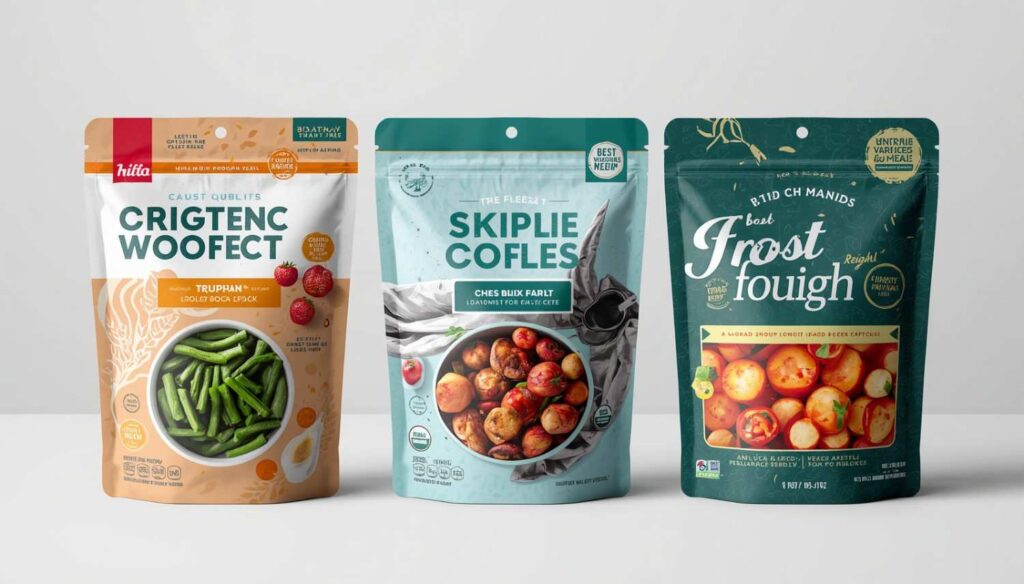
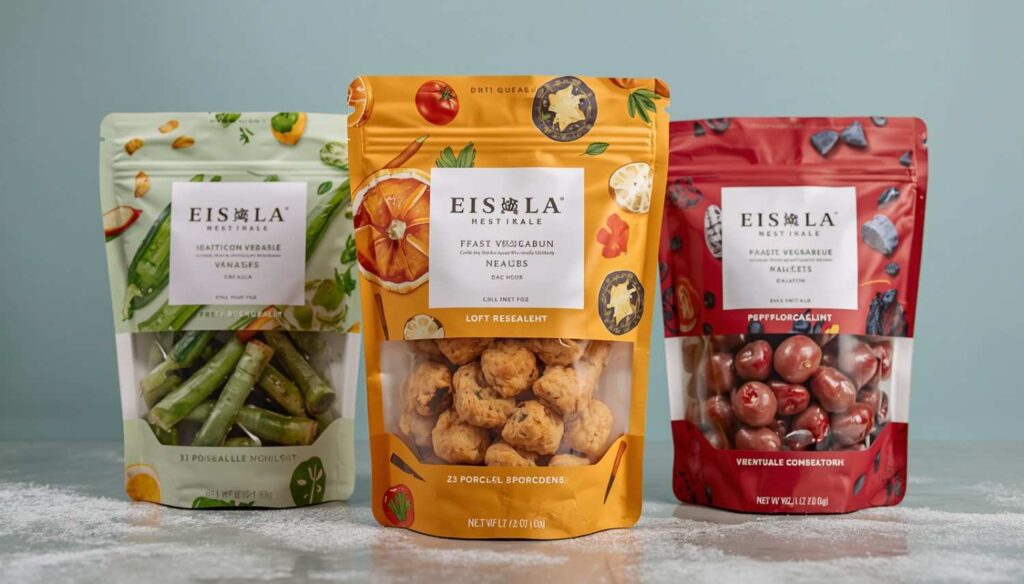
1. Stand-Up Pouches
Stand-up pouches are among the most popular packaging solutions for frozen food products.
They offer:
- Strong barrier protection
- Resealable zipper options
- Excellent shelf presentation
- Lightweight construction
- Convenient consumer use
Frozen fruits, vegetables, seafood, and prepared meals are commonly packaged in stand-up pouches.
2. Flat Pouches
Flat pouches provide a simple and economical packaging solution for frozen products.
Benefits include:
- Lower packaging costs
- Efficient storage
- Easy transportation
- Large printable surface area
They are frequently used for frozen vegetables, frozen meats, and seafood products.
3. Vacuum-Sealed Pouches
Vacuum packaging removes air from the package before sealing, significantly reducing oxygen exposure.
Advantages include:
- Longer shelf life
- Reduced freezer burn
- Better flavor preservation
- Improved food safety
Vacuum-sealed pouches are widely used for frozen meats, fish, and poultry products.
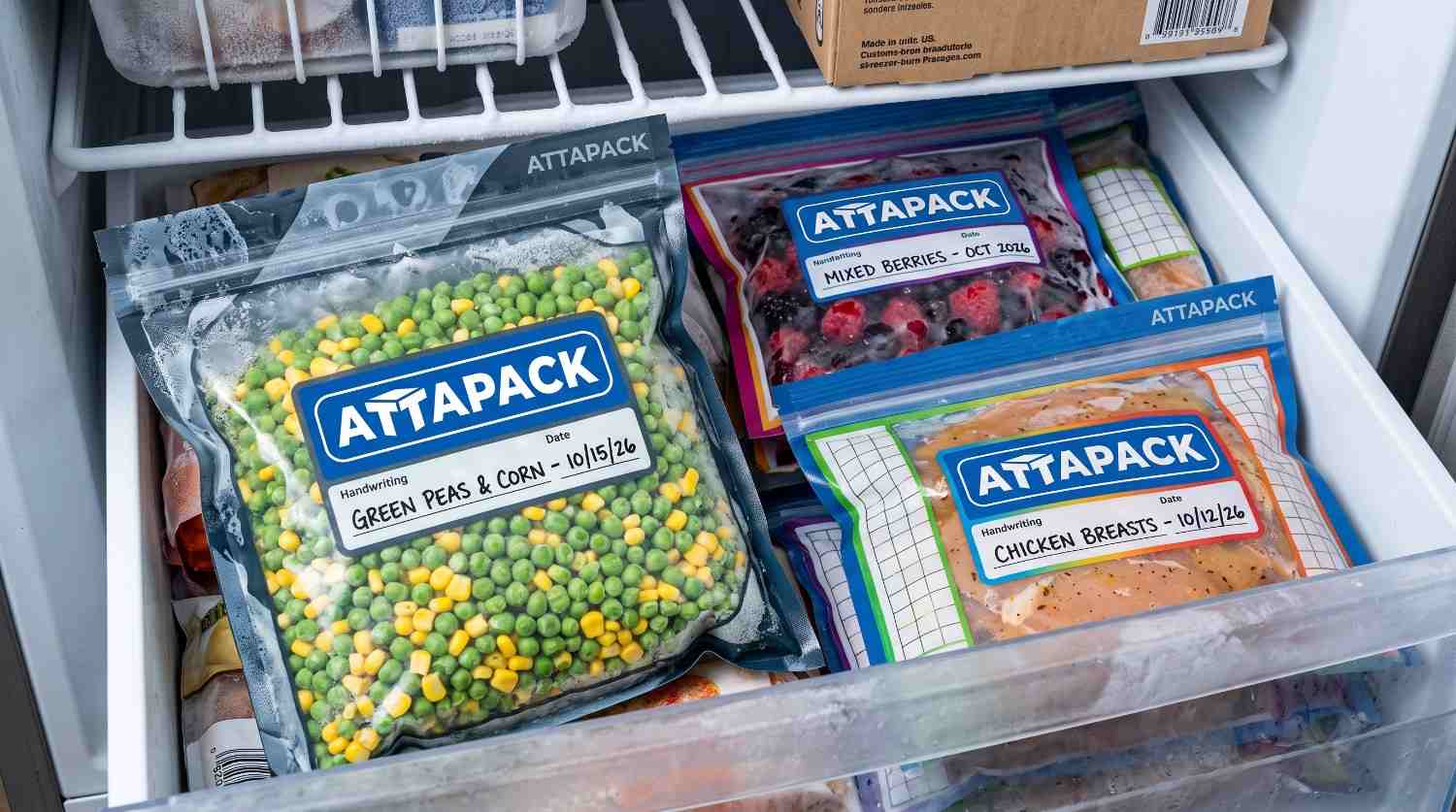
4. Resealable Frozen Food Bags
Consumer convenience has become a major purchasing factor. Resealable bags allow customers to use portions of the product while keeping the remaining contents protected.
Common applications include:
- Frozen berries
- Frozen vegetables
- Frozen snacks
- Frozen meal ingredients
5. Custom Pouches
Custom pouches provide businesses with complete control over packaging design, functionality, and branding.
Features may include:
- Zip closures
- Tear notches
- Matte or gloss finishes
- Window options
- High-definition printing
Custom packaging helps products stand out in competitive retail environments while maintaining product protection.
Key Materials Used in Frozen Food Packaging
Selecting the right packaging material is just as important as choosing the packaging format.
Polyethylene (PE)
PE is commonly used because it remains flexible at freezing temperatures and provides moisture resistance.
Polyester (PET)
PET offers strength, durability, and excellent printability for branded packaging.
Nylon Films
Nylon provides puncture resistance and is ideal for products with sharp edges or bones.
Multi-Layer Laminates
Many frozen food packages combine multiple materials to create strong moisture and oxygen barriers.
These structures help maintain food quality during extended frozen storage periods.
Important Features to Look for in Frozen Food Packaging
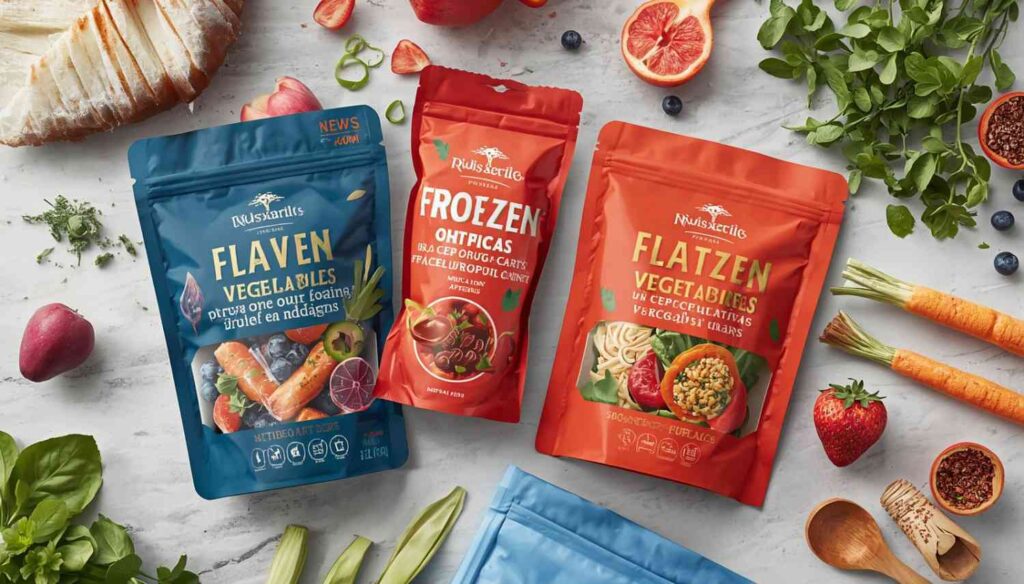
When selecting packaging for frozen products, businesses should prioritize the following features:
- Moisture Barrier Protection: Moisture control prevents ice crystal formation and protects food texture.
- Oxygen Resistance: Reducing oxygen exposure helps preserve flavor, color, and freshness.
- Puncture Resistance: Durable packaging prevents tears and leaks during handling and transportation.
- Heat Seal Strength: Strong seals ensure package integrity throughout the product lifecycle.
- Print Quality: High-quality graphics improve brand recognition and consumer trust.
How Custom Packaging Improves Frozen Food Sales
Packaging serves as a silent salesperson. Attractive designs can influence purchasing decisions while communicating product quality and brand value.
Many frozen food brands invest in customized packaging solutions to:
- Build stronger brand identity
- Improve shelf visibility
- Differentiate products from competitors
- Provide nutritional information
- Communicate product benefits
At this stage, working with an experienced packaging provider such as AttaPack can help businesses develop customized solutions that balance product protection, functionality, and visual appeal.
Emerging Trends in Frozen Food Packaging
The frozen food packaging industry continues to evolve as consumer preferences change.
Sustainable Packaging
Brands are increasingly exploring recyclable and eco-friendly packaging materials to reduce environmental impact.
Smart Packaging
Advanced packaging technologies now include QR codes and digital engagement features that connect consumers to product information.
Convenience-Focused Designs
Easy-open features, resealable closures, and portion-control packaging continue to gain popularity among consumers.
Premium Packaging Appearance
High-quality finishes and custom printing help frozen food brands create a premium look that attracts buyers.
Choosing the Right Packaging Partner
Finding the right packaging supplier is critical for long-term success.
Consider the following factors:
- Industry experience
- Material quality
- Customization capabilities
- Printing technology
- Food safety compliance
- Production capacity
- Customer support
A reliable packaging partner can help businesses optimize packaging performance while reducing costs and improving product presentation.
Conclusion
Selecting the best frozen food packaging solution is essential for protecting product quality, extending shelf life, and enhancing customer satisfaction. Modern flexible packaging options such as stand-up pouches, flat pouches, vacuum-sealed bags, and custom pouches provide excellent protection while offering branding and convenience advantages.
As consumer demand for frozen foods continues to grow, businesses that invest in high-quality packaging solutions will be better positioned to maintain product integrity, improve shelf appeal, and strengthen their competitive advantage. By choosing the right materials, packaging format, and customization options, food manufacturers can ensure their products remain fresh, safe, and attractive from production to purchase.