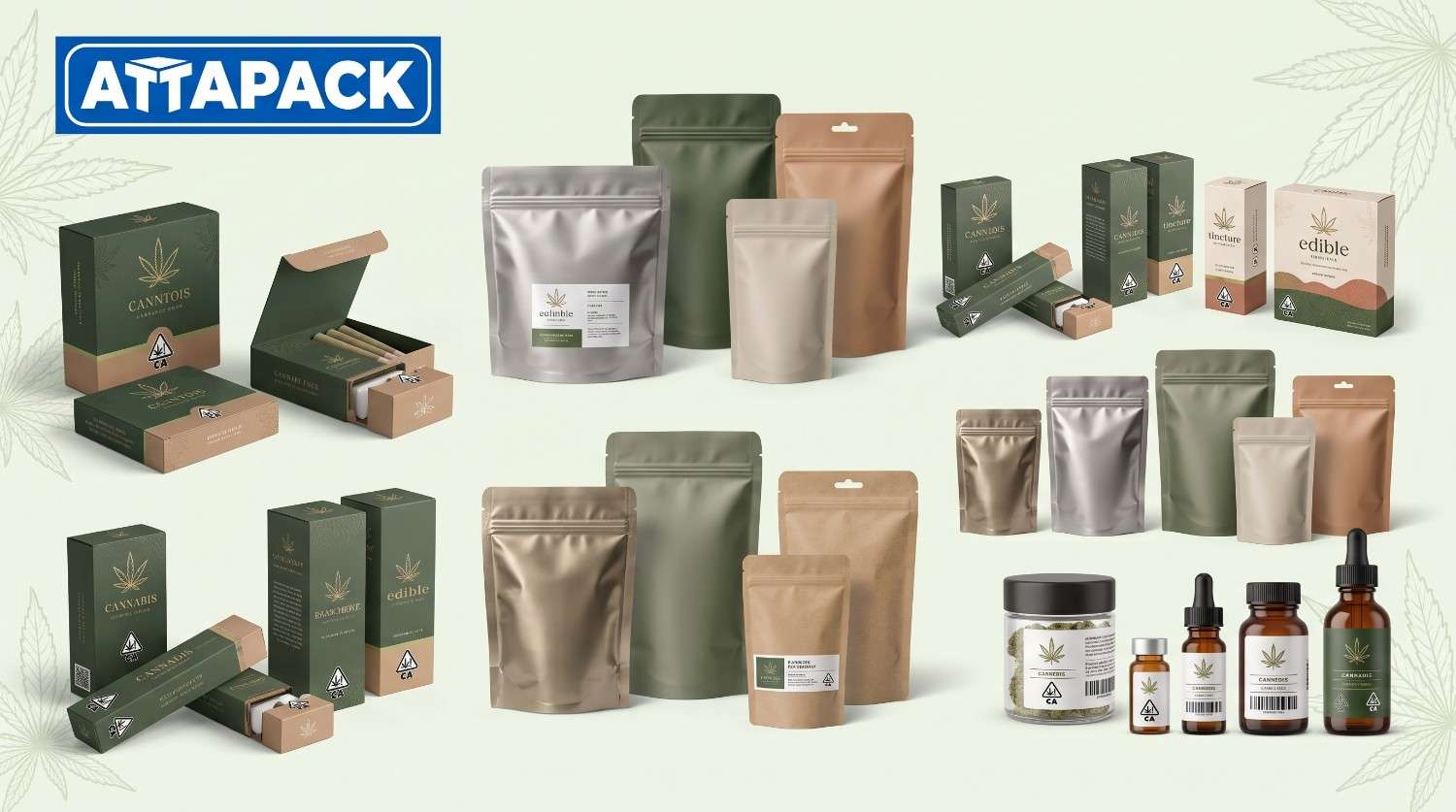
Launching a cannabis dispensary or product brand requires more than developing quality products and creating an attractive brand identity. You also need reliable cannabis packaging that protects product quality, supports consumer safety, communicates essential information, and meets the regulations in your target market. For new business owners, overlooking a packaging requirement can lead to costly redesigns, delayed product launches, or compliance problems.
Whether you sell cannabis flower, pre-rolls, edibles, concentrates, or vape products, choosing the right packaging should be part of your launch strategy from the beginning. Your packaging must balance functionality, regulatory requirements, and visual appeal while providing customers with a clear and professional experience.
This comprehensive checklist will help dispensary owners, cultivators, manufacturers, and cannabis entrepreneurs evaluate their packaging choices before placing an order.
1. Understand Your Local Cannabis Packaging Regulations
Before selecting packaging materials or approving a design, research the cannabis packaging regulations that apply to your business. Requirements vary by state and may differ according to product type, serving size, sales channel, and whether the packaging is intended for medical or adult-use cannabis.
For example, California and New York publish separate regulatory guidance covering packaging, labeling, child resistance, and related compliance documentation. A design that meets requirements in one state may not satisfy another state’s rules.
Start by identifying the following:
- The state or jurisdiction where your product will be sold.
- Whether the product is classified as medical or adult-use cannabis.
- The applicable packaging and labeling requirements for your product category.
- Required warnings, symbols, and restrictions on marketing claims.
- Rules for child-resistant closures, tamper evidence, and resealability.
- Documentation needed to verify packaging compliance.
Consult your state cannabis regulator and, when necessary, a qualified cannabis compliance professional before approving your final artwork.
2. Choose the Right Packaging for Each Product
Different cannabis products require different packaging structures. Your choice should account for product protection, handling, storage, shelf presentation, and applicable safety standards.
Cannabis Flower and Pre-Rolls
Flower and pre-rolls benefit from packaging that helps preserve aroma, freshness, and product integrity. Depending on the product and jurisdiction, suitable options may include specialized pouches, jars, tubes, and folding cartons.
Consider barrier properties that limit unwanted exposure to moisture, oxygen, and external contaminants. Child-resistant and tamper-evident features may also be required.
Cannabis Edibles
Edibles need packaging that protects the product while helping prevent accidental access by children. Depending on the format, options may include sealed pouches, rigid containers, or custom cartons combined with a suitable inner package.
Pay particular attention to serving information, allergen declarations where applicable, ingredient details, potency information, and required warnings. Some jurisdictions impose specific opacity, resealability, and child-resistance requirements.
Concentrates and Extracts
Concentrates and extracts may require specialized containers or protective secondary packaging. Compatibility with the product, leakage prevention, temperature exposure, and resistance to oils or residue should inform your selection.
The package must also accommodate the required product information without compromising readability or the container’s function.
Vape Products and Accessories
Vape cartridges and related products may require compact containers that protect delicate components during storage and transport. Consider secure closures, tamper evidence, clear product identification, and any required cannabis warnings.
Review the rules for both the cannabis product and any separately regulated device or accessory before finalizing the design.
3. Verify Child-Resistant and Tamper-Evident Features
Child-resistant packaging is an essential safety consideration in regulated cannabis markets. However, not every package described as child-resistant by a supplier automatically meets the requirements of your jurisdiction.
Ask your supplier for relevant test reports, certifications, and supporting documentation. Confirm that the exact package configuration, closure, and intended use fall within the scope of the evidence provided.
Your checklist should include:
- Confirm the required child-resistant standard for your product.
- Verify that the selected package has appropriate supporting documentation.
- Determine whether child resistance must remain effective after opening.
- Check whether a special warning is required for single-use child-resistant packaging.
- Select a tamper-evident seal or closure where required.
- Test the package for practical opening, closing, and storage needs.
- Ensure seals do not cover mandatory label information.
Remember that child-resistant does not mean childproof. The purpose is to make access more difficult for young children while allowing intended adult users to operate the package according to its instructions.
4. Prepare Accurate and Readable Cannabis Labels
Cannabis Labels are more than a branding element. They communicate important product information and help consumers understand what they are purchasing.
Label requirements depend on the jurisdiction and product category. Before printing, create a checklist based on the applicable rules rather than relying on a generic template.
Depending on your market and product, the required information may include:
- Product name and product category.
- Net weight, volume, or serving information.
- THC and CBD content or potency information.
- Required cannabis symbols and health or safety warnings.
- Ingredient and allergen information for applicable products.
- Batch or lot identification and traceability details.
- Manufacturer or licensee information.
- Testing information, expiration dates, or storage instructions where required.
- Age restrictions and other jurisdiction-specific statements.
Use a readable font size, adequate contrast, and a layout that keeps mandatory information visible. Do not allow decorative graphics, folds, seams, or seals to obscure required details.
Before approving a print run, have the final label reviewed by a qualified compliance specialist. Verify spelling, numerical values, warning placement, and variable information such as batch numbers.
Explore AttaPack’s custom cannabis labels for packaging designs that combine product information with professional branding.
5. Select the Right Cannabis Pouches
Cannabis Pouches can be useful for flower, pre-rolls, and other suitable product formats. Their flexibility, compact storage, and customizable printing make them an option for brands seeking practical packaging with a consistent visual identity.
When evaluating compliant cannabis pouches, consider more than appearance.
- Material and barrier performance: Select materials that provide suitable protection against moisture, oxygen, light, or odor transfer based on the product’s needs.
- Closure and resealability: Confirm whether the pouch needs a child-resistant zipper, heat seal, or other closure. A standard resealable zipper should not be assumed to meet child-resistant requirements.
- Product compatibility: Make sure the packaging materials are suitable for the intended contents and do not introduce harmful substances.
- Label space: Leave enough room for required warnings, potency details, product identification, and traceability information.
- Printing quality: Choose finishes and graphics that support your brand without reducing the visibility of mandatory information.
- Sustainability: Evaluate recyclable or reduced-material options where suitable, but verify their performance and local disposal infrastructure before making environmental claims.
You can explore AttaPack’s flexible packaging solutions to evaluate pouch styles and packaging features for your product line.
6. Use Custom Cannabis Boxes to Protect and Present Products
Custom Cannabis Boxes can provide an additional protective layer while creating a consistent brand experience. They are particularly useful for product sets, premium presentations, pre-roll multipacks, and certain edible or concentrate formats.
Before ordering, confirm the following:
- The box dimensions fit the product and inner container.
- The structure protects the contents during handling and shipping.
- Any required child-resistant feature is incorporated into the correct package layer.
- Tamper-evident features are included where required.
- Mandatory warnings and product information remain visible.
- The material and printing process suit the intended use.
- The design avoids imagery, shapes, or messaging prohibited by local rules.
- The final prototype has been checked for fit, durability, and usability.
An outer carton does not automatically make a noncompliant inner container compliant. Review the complete packaging system to determine which layer must meet each regulatory requirement.
AttaPack offers custom cannabis boxes that can be tailored to product dimensions, brand artwork, and packaging requirements. Confirm the specifications and compliance documentation needed for your particular product before production.
7. Build a Strong Cannabis Brand Without Compromising Compliance
Packaging influences how customers recognize and evaluate your brand. A consistent color palette, clear typography, distinctive logo, and well-organized product information can help your products stand out in a competitive retail environment.
However, regulated cannabis packaging has specific marketing limitations. Certain jurisdictions restrict cartoon imagery, candy-like designs, misleading health claims, or packaging that may appeal to children.
Use the following guidelines when developing your artwork:
- Create a consistent visual identity across product categories.
- Make the product name easy to identify.
- Prioritize legibility over excessive decorative elements.
- Use finishes such as matte lamination, embossing, or foil stamping only when appropriate.
- Keep mandatory warnings and symbols prominent.
- Avoid unsupported medical, therapeutic, or environmental claims.
- Confirm that the artwork complies with local restrictions before printing.
A successful design communicates quality and professionalism while respecting consumer safety and regulatory expectations.
8. Evaluate Material Quality, Storage, and Sustainability
Packaging should protect the product throughout its expected storage and distribution conditions. Poor material selection can contribute to leakage, damaged labels, compromised seals, or unwanted changes in product quality.
Ask potential suppliers about material specifications, barrier properties, product compatibility, closure performance, print durability, and quality-control procedures.
For cannabis products sensitive to environmental exposure, consider how the package will perform under expected temperature, humidity, light, and handling conditions. Conduct suitable product-specific testing instead of relying solely on general material descriptions.
Sustainability is another useful consideration. Depending on the product and packaging format, you may be able to reduce unnecessary layers, select recyclable materials, or explore other lower-impact options.
Verify recycling claims against the actual material construction and available collection systems. A package should not be described as recyclable or compostable without appropriate evidence.
9. Request Samples and Test Before Mass Production
Approving a digital mockup is not the same as approving a finished package. A physical sample allows you to evaluate fit, appearance, closure performance, and ease of use before committing to a large production run.
Test your proposed packaging for:
- Correct dimensions and product fit.
- Closure strength and seal integrity.
- Child-resistant performance where applicable, supported by the appropriate testing.
- Tamper evidence and resealing performance where required.
- Label readability and print accuracy.
- Resistance to normal handling and shipping conditions.
- Compatibility with filling, packing, and retail workflows.
Also review minimum order quantities, lead times, artwork requirements, setup charges, and reorder consistency. These factors help you plan inventory and avoid last-minute packaging shortages.
Keep approved artwork, supplier specifications, compliance documents, and sample approvals in an organized record. Recheck them whenever the product, package, label, supplier, or applicable regulations change.
10. Your Complete Cannabis Packaging Checklist
Use this final checklist before approving your first production order.
Regulatory Readiness
- Identified all relevant state and local requirements.
- Confirmed packaging rules for each product category.
- Reviewed restrictions on child-appealing designs and marketing claims.
- Obtained relevant packaging test reports or certifications.
Packaging Structure
- Selected suitable boxes, pouches, containers, or tubes.
- Evaluated material compatibility and product protection.
- Confirmed required child-resistant and tamper-evident features.
- Checked resealability and opacity requirements where applicable.
Labeling and Artwork
- Verified all mandatory label information.
- Checked potency figures, warnings, symbols, and product details.
- Confirmed text readability and correct label placement.
- Obtained compliance review and final artwork approval.
Production and Quality Control
- Evaluated physical samples and package performance.
- Confirmed printing specifications and quality standards.
- Reviewed production timelines and reorder requirements.
- Saved approved artwork and compliance documentation.
Completing these checks before ordering helps reduce preventable mistakes and gives your team a repeatable process for launching new products.
How AttaPack Can Support Your Cannabis Packaging Needs
Choosing packaging for a new cannabis brand involves coordinating product protection, regulatory requirements, artwork, materials, and production timelines. Working with a packaging supplier that understands these considerations can make the process more organized.
AttaPack provides packaging options for cannabis brands, including custom boxes, cannabis labels, and flexible packaging solutions. These options allow businesses to explore packaging formats that fit their products and visual identity while planning for applicable compliance requirements.
Before placing an order, share your product type, target market, preferred dimensions, artwork, and any applicable packaging specifications. This information can help you evaluate suitable packaging options and identify the documentation that must be confirmed.
Visit AttaPack.com to explore packaging solutions and discuss your project.
Frequently Asked Questions
1. What packaging is required for cannabis products?
Requirements depend on the product and the jurisdiction where it will be sold. Common considerations include child resistance, tamper evidence, resealability, protection from contamination, and mandatory labeling. Always verify the rules published by the relevant cannabis regulator.
2. What should cannabis packaging labels include?
Depending on local regulations and product type, labels may need product identification, net quantity, THC or CBD information, warnings, ingredients, allergens, batch identification, and licensee details. Confirm the exact requirements before printing.
3. Are compliant cannabis pouches suitable for every cannabis product?
No. Pouches may work well for certain products, but material compatibility, closure performance, product protection, and regulatory requirements differ. Confirm that the specific pouch is suitable for its intended use and meets applicable standards.
4. Do Custom Cannabis Boxes need to be child-resistant?
An outer box may or may not need its own child-resistant feature, depending on the jurisdiction and packaging configuration. The required protection must be provided by the appropriate package layer. Verify the rules for the complete package rather than assuming a carton alone is sufficient.
5. How can I make Cannabis Labels easier to read?
Use legible typography, strong contrast, clear information hierarchy, and enough space for required statements. Keep essential information away from folds and seals, and check the final printed sample before approving production.