Coffee lovers know that freshness is everything. Whether you are a coffee roaster, café owner, or retailer, the quality of your coffee depends heavily on how it is packaged. Even the finest coffee beans can lose their aroma, flavor, and freshness if stored in poor-quality packaging.
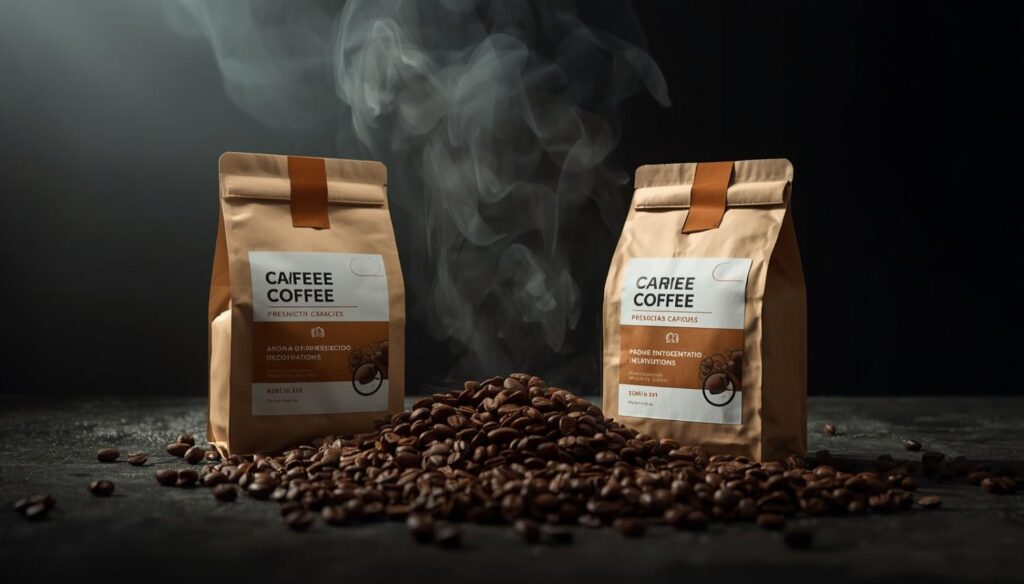
This is where coffee packaging plays a crucial role. The right packaging protects coffee from air, moisture, light, and contaminants that can quickly degrade its quality. Modern custom coffee bags, flexible packaging, and custom coffee pouches are designed to preserve freshness while enhancing brand appeal.
In this guide, we’ll explore how coffee packaging affects freshness and flavor, the best packaging materials available, and why investing in quality packaging can improve customer satisfaction and sales.
Why Coffee Freshness Matters
Fresh coffee contains hundreds of aromatic compounds that create its unique taste and smell. After roasting, coffee begins to release gases, especially carbon dioxide, through a process known as degassing.
At the same time, exposure to oxygen starts the oxidation process, which can cause coffee to:
- Lose its aroma
- Develop stale flavors
- Become less vibrant
- Experience reduced shelf life
Proper coffee packaging helps slow these processes and preserves the coffee’s original characteristics.
The Biggest Threats to Coffee Freshness
Several environmental factors can negatively affect coffee quality.
Oxygen
Oxygen is one of the main causes of coffee degradation. When coffee comes into contact with air, oxidation occurs, causing flavor loss and staleness.
Moisture
Coffee absorbs moisture easily, which can affect flavor and potentially lead to mold growth.
Light Exposure
UV rays and direct sunlight can damage coffee oils and accelerate the aging process.
Heat
High temperatures speed up chemical reactions that reduce freshness and flavor.
Odors and Contaminants
Coffee can absorb surrounding smells, altering its natural taste profile.
Quality coffee packaging creates a protective barrier against these threats.
How Coffee Packaging Preserves Flavor
Modern packaging technology is specifically designed to maintain coffee quality from the roaster to the consumer.
Barrier Protection
High-quality packaging materials prevent oxygen and moisture from entering the package.
One-Way Degassing Valves
Freshly roasted coffee releases carbon dioxide. A one-way valve allows gas to escape without letting oxygen enter.
Benefits include:
- Longer shelf life
- Better flavor retention
- Reduced package swelling
Airtight Sealing
Proper seals prevent contamination and maintain freshness throughout storage and transportation.
Multi-Layer Packaging
Many premium coffee packages use multiple layers of materials to maximize protection.
Types of Coffee Packaging
There are several packaging options available for coffee products.
| Packaging Type | Freshness Protection | Shelf Life | Branding Potential | Sustainability |
| Paper Bags | Low | Short | Good | High |
| Plastic Bags | Moderate | Moderate | Good | Moderate |
| Foil Bags | Excellent | Long | Excellent | Moderate |
| Custom Coffee Bags | Excellent | Long | Outstanding | Available in Eco-Friendly Options |
| Custom Coffee Pouches | Excellent | Long | Outstanding | Available in Recyclable Materials |
| Flexible Packaging | Excellent | Long | High | Growing Sustainable Options |
This table shows why many coffee brands choose custom coffee bags and flexible packaging solutions.
Benefits of Custom Coffee Bags
Enhanced Freshness
Custom coffee bags are designed with high-barrier materials that protect coffee from external elements.
Professional Appearance
Packaging is often the first thing customers notice. Attractive custom designs create a memorable first impression.
Stronger Brand Identity
Custom packaging helps businesses showcase:
- Brand logos
- Product information
- Certifications
- Unique design elements
Increased Customer Trust
Professional packaging communicates quality and reliability.
Why Flexible Packaging Is Becoming Popular
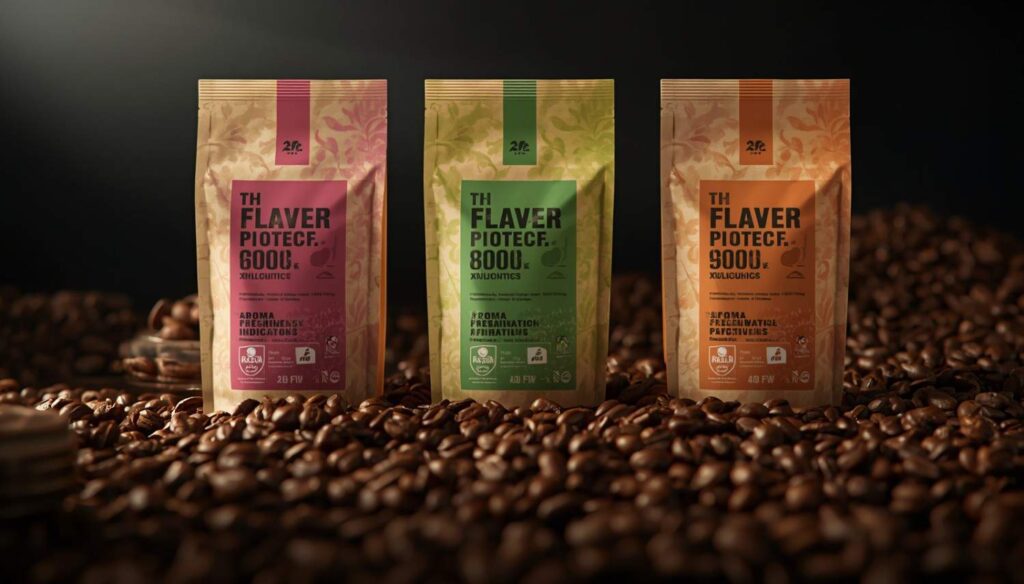
Many coffee companies are switching to flexible packaging because of its versatility and performance.
Lightweight Design
Flexible packaging reduces shipping costs and storage requirements.
Better Product Protection
Advanced barrier films help maintain coffee freshness for extended periods.
Customizable Options
Flexible packaging supports:
- Matte finishes
- Gloss finishes
- Window panels
- Resealable zippers
- Degassing valves
Sustainability Improvements
Many flexible packaging manufacturers now offer recyclable and eco-friendly materials.
The Advantages of Custom Coffee Pouches
Convenient for Consumers
Customers appreciate packaging that is easy to open, close, and store.
Resealable Features
Many custom coffee pouches include zip closures that help maintain freshness after opening.
Premium Shelf Presence
Stand-up pouches offer excellent visibility on retail shelves and in online product images.
Greater Product Protection
Modern pouch designs combine convenience with superior barrier performance.
Packaging Features That Improve Coffee Freshness
When selecting coffee packaging, consider these essential features:
- One-Way Degassing Valve: Allows carbon dioxide to escape while blocking oxygen.
- Resealable Zipper: Helps consumers preserve freshness between uses.
- High-Barrier Materials: Protect coffee from moisture, oxygen, and light.
- Durable Construction: Prevents punctures and damage during transportation.
- Heat Sealing: Creates an airtight closure for maximum protection.
Sustainable Coffee Packaging Trends
Today’s consumers increasingly prefer environmentally responsible products.
Popular sustainable options include:
- Recyclable pouches
- Compostable coffee bags
- Reduced-material flexible packaging
- Plant-based packaging materials
Sustainable coffee packaging not only benefits the environment but can also strengthen brand reputation.
How Packaging Influences Customer Buying Decisions
Packaging does more than preserve coffee—it influences purchasing behavior.
Customers often evaluate:
- Package appearance
- Product information
- Sustainability claims
- Convenience features
- Brand professionalism
A well-designed package can significantly increase customer confidence and sales.
Best Practices for Coffee Packaging
To maximize freshness and flavor, coffee businesses should:
- Use high-barrier materials.
- Include one-way degassing valves.
- Choose resealable packaging.
- Minimize oxygen exposure during filling.
- Store packaged coffee in cool, dry environments.
- Invest in professional custom packaging design.
These practices help ensure customers enjoy the freshest coffee possible.
Conclusion
Freshness and flavor are critical to coffee quality, and packaging plays a major role in preserving both. Effective coffee packaging protects coffee from oxygen, moisture, light, and contaminants while extending shelf life and maintaining aroma.
Whether you choose custom coffee bags, flexible packaging, or custom coffee pouches, investing in high-quality packaging solutions helps deliver a better customer experience, strengthens your brand, and protects the quality of your product from production to consumption.
As the coffee market becomes more competitive, businesses that prioritize premium packaging will be better positioned to stand out, retain customers, and build long-term success.
Frequently Asked Questions
How long does coffee stay fresh in quality packaging?
Properly packaged coffee can remain fresh for several months, especially when stored in airtight bags with degassing valves.
Why do coffee bags have one-way valves?
The valve allows carbon dioxide to escape while preventing oxygen from entering, helping preserve freshness.
Are custom coffee pouches better than standard bags?
Custom coffee pouches often provide better convenience, branding opportunities, and freshness protection.
What is flexible packaging for coffee?
Flexible packaging refers to lightweight, durable packaging materials that provide excellent barrier protection while reducing shipping and storage costs.
Does packaging affect coffee flavor?
Yes. Poor packaging allows oxygen, moisture, and light to degrade coffee, leading to stale flavors and reduced aroma.