As regulations around consumer safety continue to evolve, child-resistant packaging has become an essential requirement for many industries. Products such as pharmaceuticals, cannabis, household chemicals, nutraceuticals, and certain food items often require packaging that prevents children from accessing potentially harmful contents.
Understanding child-resistant packaging requirements is crucial for manufacturers, retailers, and brand owners. Failure to comply with regulations can lead to legal issues, product recalls, financial penalties, and reputational damage.
In this guide, we’ll explain how child-resistant packaging works, the regulations that govern it, testing requirements, and why child-resistant pouches are becoming one of the most popular packaging solutions in today’s market.
What Is Child-Resistant Packaging?
Child-resistant packaging is specially designed packaging that is difficult for young children to open while remaining accessible for most adults.
The primary goal is to reduce accidental poisoning and injuries caused by children gaining access to hazardous products.
Common examples include:
- Prescription medication bottles
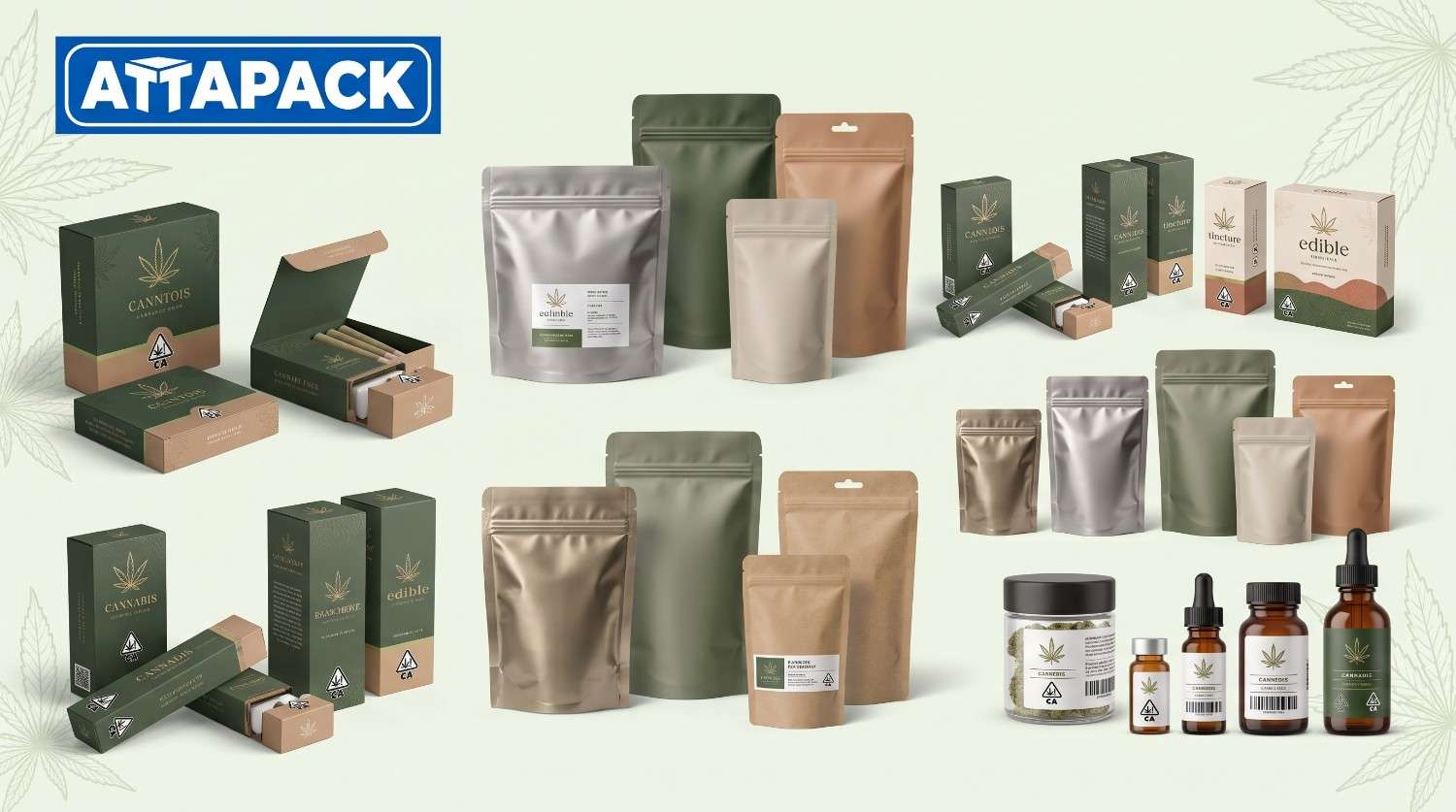
- Cannabis packaging
- Household cleaning products
- Nicotine products
- Dietary supplements
- Certain cosmetic products
Unlike childproof packaging, which suggests complete protection, child-resistant packaging focuses on significantly reducing the likelihood of access by children.
Why Child-Resistant Packaging Matters
Every year, thousands of children are exposed to potentially dangerous products stored in homes. Proper packaging serves as the first line of defense.
Benefits of compliant packaging include:
1. Improved Child Safety
The most important benefit is preventing accidental ingestion or exposure.
2. Regulatory Compliance
Meeting legal requirements helps businesses avoid penalties and recalls.
3. Consumer Confidence
Customers trust brands that prioritize safety and responsibility.
4. Product Protection
Many child-resistant designs also improve product freshness and shelf life.
5. Brand Reputation
Companies that invest in safe packaging demonstrate professionalism and commitment to quality.
Industries That Require Child-Resistant Packaging
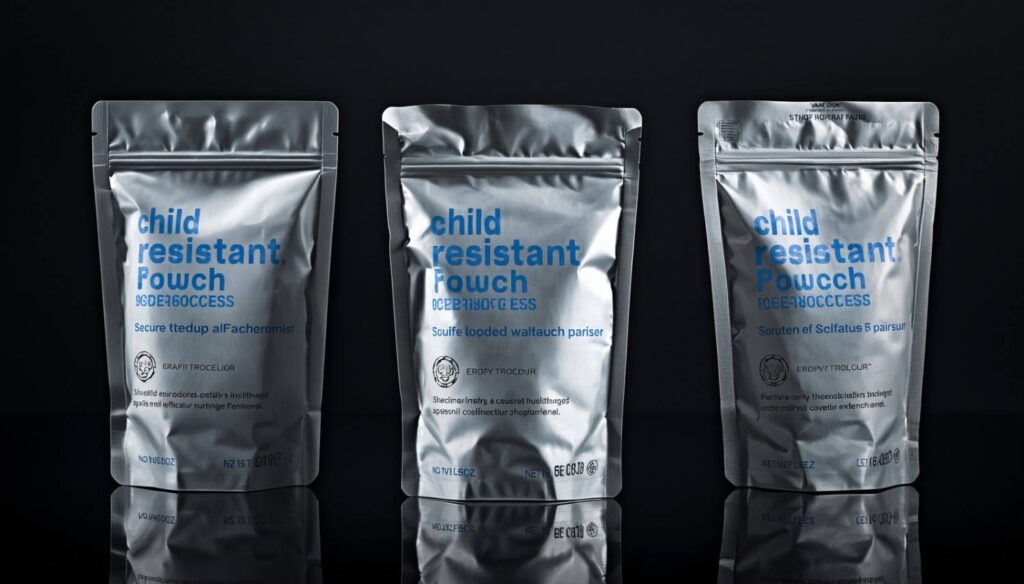
Several industries must comply with child-resistant packaging regulations.
1. Pharmaceutical Industry
Prescription and over-the-counter medications often require certified child-resistant closures.
2. Cannabis Industry
Many jurisdictions require cannabis products to be sold in child-resistant containers or pouches.
3. Nutraceutical Industry
Certain vitamins and supplements may require protective packaging depending on local regulations.
4. Household Chemicals
Cleaning products, pesticides, and toxic substances frequently require compliant packaging.
5. Nicotine Products
E-liquids and nicotine pouches are often subject to child-resistant packaging standards.
Key Child-Resistant Packaging Regulations
Requirements vary by country and industry, but most regulations focus on testing and certification.
United States Regulations
In the United States, child-resistant packaging requirements are primarily governed by the Poison Prevention Packaging Act (PPPA).
The law requires specific products to be packaged in a manner that is difficult for children under five years old to open within a reasonable period.
Testing protocols are typically based on standards established by organizations such as ASTM International and the Consumer Product Safety Commission (CPSC).
International Standards
Other countries have similar regulations designed to protect children from hazardous products.
Common standards evaluate:
- Opening difficulty for children
- Accessibility for adults
- Packaging durability
- Repeated use performance
- Tamper resistance
Businesses selling internationally should ensure their packaging meets the requirements of every target market.
Testing Requirements for Child-Resistant Packaging
Testing is one of the most important parts of compliance.
Certified testing evaluates whether packaging effectively prevents access by children while remaining usable for adults.
Child Panel Testing
Groups of children are asked to open the package within a specified timeframe.
To pass:
- Most children must fail to open the package.
- Testing follows strict guidelines and procedures.
Adult Panel Testing
Adults, including seniors, are asked to open and properly close the packaging.
To pass:
- Most adults must successfully access the contents.
- The package must remain functional after repeated use.
This balance between safety and accessibility is essential for compliance.
Types of Child-Resistant Packaging
Modern packaging manufacturers offer several child-resistant solutions.
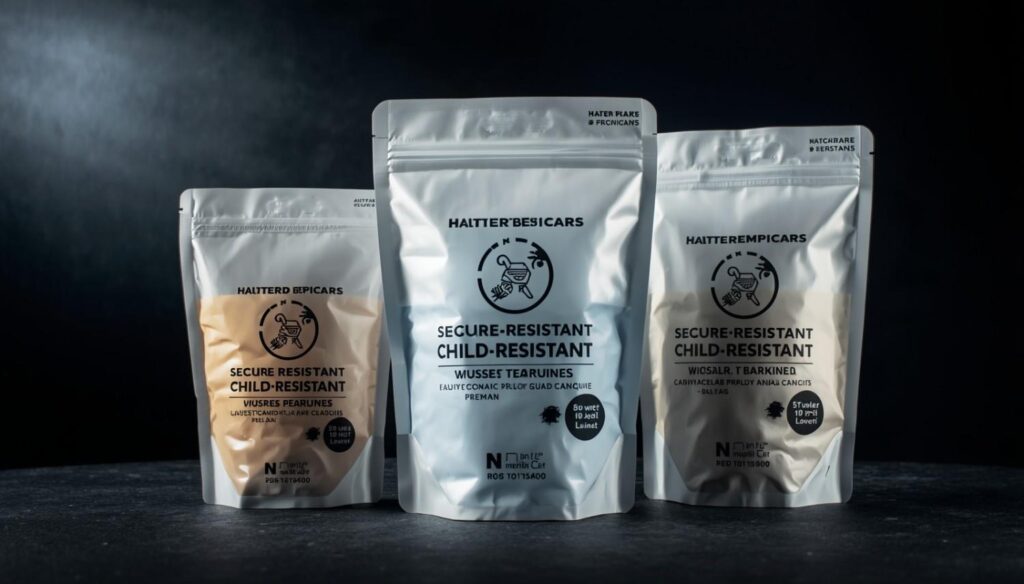
Child-Resistant Pouches
Child-resistant pouches have become increasingly popular due to their flexibility, convenience, and cost-effectiveness.
Features often include:
- Push-and-slide zippers
- Press-and-lock closures
- Hidden opening mechanisms
- Multi-step opening systems
These pouches are widely used for cannabis, supplements, and specialty consumer products.
Child-Resistant Bottles
Common in pharmaceutical applications, these bottles often feature:
- Push-and-turn caps
- Squeeze-and-turn closures
- Dual-action locking mechanisms
Child-Resistant Containers
Rigid containers are often used for tablets, edibles, and concentrates.
They provide:
- Enhanced protection
- Reusability
- Strong barrier performance
Benefits of Child-Resistant Pouches
Many businesses are transitioning to child-resistant pouches because they offer both safety and efficiency.
1. Lightweight Design
Flexible packaging reduces shipping and storage costs.
2. Excellent Product Protection
Barrier materials help protect products from:
- Moisture
- Oxygen
- UV light
- Contamination
3. Custom Branding Opportunities
Brands can create attractive custom packaging designs without sacrificing compliance.
4. Sustainability Advantages
Flexible packaging generally uses fewer raw materials than rigid alternatives.
5. Consumer Convenience
Many modern pouch designs are resealable and easy to carry.
Features of Compliant Packaging
To meet regulatory standards, packaging must include specific design elements.
1. Secure Closure Systems
Closures must require deliberate actions to open.
2. Durability
The packaging should maintain functionality throughout the product lifecycle.
3. Clear Instructions
Opening instructions should be visible and understandable for adult users.
4. Tamper Evidence
Many products require visible tamper-evident features for additional protection.
5. Certified Testing
Packaging should be validated through recognized testing procedures.
Choosing the Right Child-Resistant Packaging Solution
Selecting the appropriate packaging depends on several factors.
Consider:
- Product Type: Different products require different levels of protection.
- Regulatory Requirements: Review all local, state, national, and international regulations.
- Shelf-Life Needs: Barrier properties may be critical for sensitive products.
- Branding Goals: Custom packaging should support marketing and customer experience objectives.
- Budget: Balance compliance requirements with production costs.
The Role of Custom Packaging in Compliance
Modern businesses no longer need to choose between branding and safety.
Advanced custom packaging solutions allow companies to:
- Maintain regulatory compliance
- Improve shelf appeal
- Enhance customer experience
- Differentiate from competitors
- Protect product quality
At this stage, many brands partner with experienced packaging providers such as AttaPack to develop solutions that meet both compliance and marketing objectives.
Common Mistakes to Avoid
Businesses frequently make errors that can lead to compliance issues.
1. Assuming Packaging Is Automatically Compliant
Not all child-resistant designs are certified.
2. Ignoring Local Regulations
Requirements may vary significantly between jurisdictions.
3. Skipping Testing
Third-party testing is often necessary for compliance verification.
4. Overlooking User Experience
Packaging should remain accessible for adult consumers.
5. Choosing Cost Over Safety
Low-cost alternatives may create legal and safety risks.
Future Trends in Child-Resistant Packaging
The packaging industry continues to evolve.
Emerging trends include:
- Sustainable child-resistant materials
- Smart packaging technologies
- Enhanced barrier films
- Recyclable flexible packaging
- Improved child-resistant pouch designs
- Digital compliance tracking
Manufacturers are increasingly focusing on solutions that combine safety, sustainability, and consumer convenience.
Conclusion
Understanding child-resistant packaging requirements is essential for any business selling products that may pose risks to children. Regulatory compliance is not only a legal obligation but also a critical component of consumer safety and brand protection.
Whether you choose bottles, containers, or child-resistant pouches, ensuring proper testing and certification is crucial. The best compliant packaging solutions balance security, usability, product protection, and branding opportunities.
As regulations continue to evolve, investing in high-quality flexible packaging and customized compliance solutions can help businesses remain competitive while protecting consumers and meeting industry standards.