Packaging protects a product, but it also builds a brand. A well-designed package improves shelf appeal, adds convenience, and shapes how a customer feels about what’s inside. Flexible packaging has become one of the most practical ways to do all three — and it’s why food, beverage, pet, and personal care brands keep switching to it.
This guide breaks down what flexible packaging is, the most common formats, and how to pick the right one for your product.
| Quick Answer Flexible packaging is packaging made from materials that bend, fold, or change shape — think pouches, bags, and rollstock — instead of holding a fixed form like a glass jar or metal can. It’s lighter, cheaper to ship and store, and gives brands more room for custom printing. |
What Is Flexible Packaging?
Flexible packaging is made from materials that bend, fold, or wrap around a product instead of holding one fixed shape. Common materials include plastic film, paper, foil, or laminated combinations of all three.
It’s used across a wide range of products, including:
- Dry foods and snacks
- Coffee and powders
- Pet food and treats
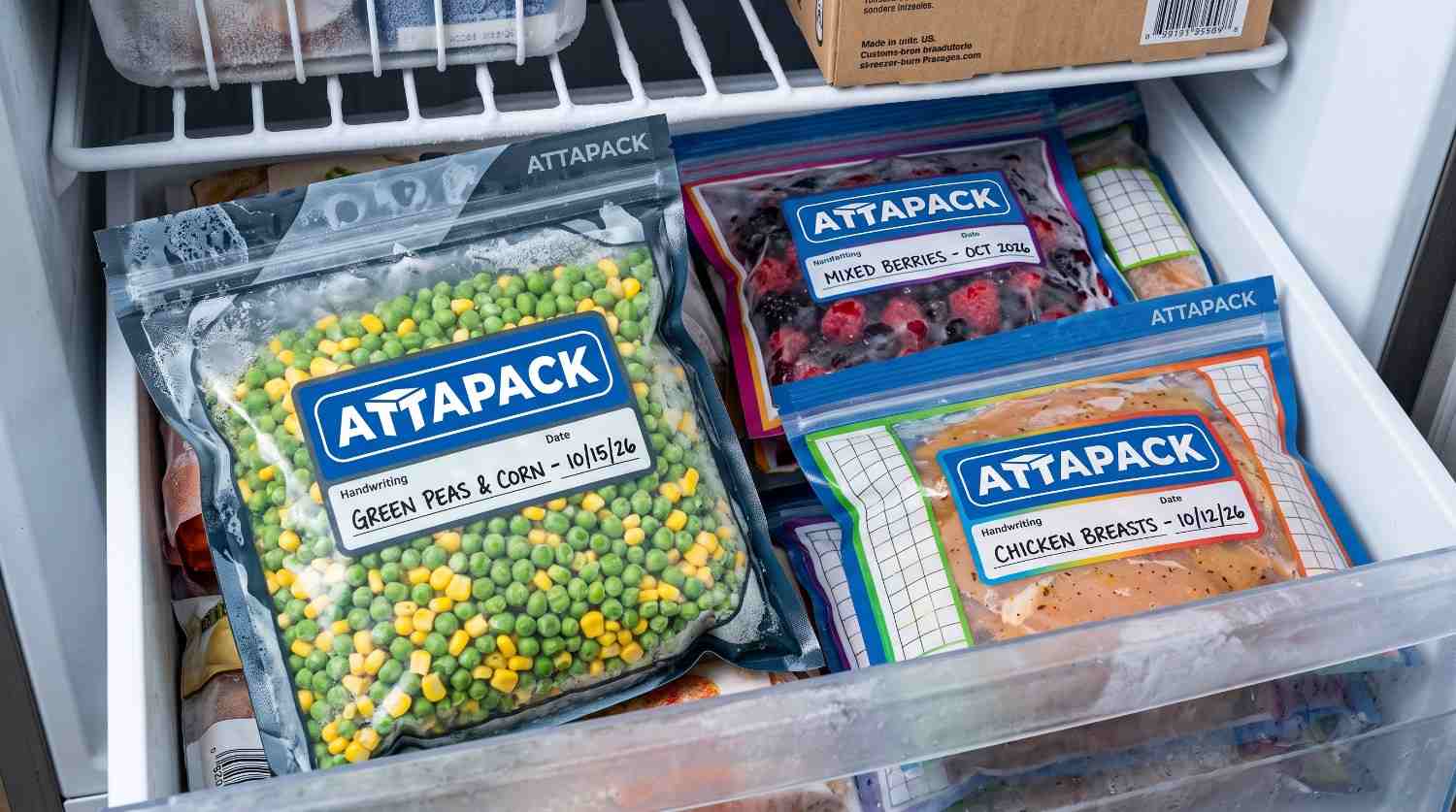
- Frozen foods
- Personal care items
Most formats can also include functional add-ons — resealable zippers, tear notches, and heat seals — to match how a customer actually uses the product.
How Does Flexible Packaging Work?
Every flexible package is built around what the product inside needs to survive. Moisture, oxygen, light, and odor all affect shelf life differently depending on the item.
That’s why most flexible packages use several layers of material stacked together, with each layer doing a different job:
- An outer layer for printing and branding
- A middle layer for strength or puncture resistance
- An inner layer as a barrier against moisture, oxygen, or light
The right structure depends on the product type, expected shelf life, how it will be shipped, and how the customer will use it.
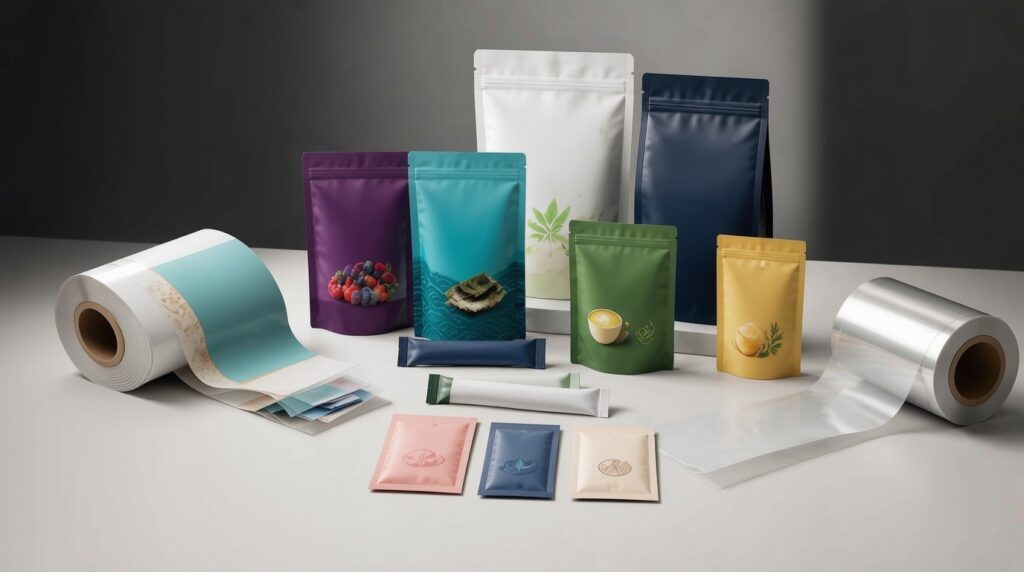
Popular Flexible Packaging Types
The right format depends on the product and how it will be packaged, displayed, and used. Here are four of the most common options.
Stand-Up Pouches
Stand-up pouches use a bottom gusset that lets the package stand upright on a shelf, which makes them a strong choice for products that need visibility at retail.
They’re commonly used for:
- Snacks
- Pet food
- Granola
- Powders
- Dry food products
Most stand-up pouches can include a resealable zipper, which is useful for products customers don’t finish in one sitting.
Flat Bottom Pouches
Flat bottom pouches offer a more structured, box-like appearance while still standing securely on shelf. The flat sides give brands extra surface area for branding and product information — a good fit for brands going for a premium look.
Coffee Pouches
Coffee needs protection to hold on to its freshness, flavor, and aroma, so coffee pouches are typically built with barrier films and can include a one-way degassing valve to release CO2 without letting oxygen in.
Rollstock
Rollstock is flexible packaging material supplied in continuous rolls rather than pre-made bags. It runs through automated form-fill-seal equipment that shapes the package, fills it with product, and seals it in one continuous process — a practical choice for brands running high-volume production.
Key Flexible Packaging Benefits
Lightweight and Space-Efficient
Flexible packaging generally uses less material and weighs less than rigid alternatives, and most formats store flat before filling — a real advantage for warehouse space.
- Lower freight cost per unit shipped
- Flat, unfilled storage saves warehouse footprint
- Less raw material used per package
Product Protection
The right material blocks moisture, oxygen, light, and contaminants, though the ideal level of protection varies by product — coffee, frozen food, and dry snacks all have different needs.
- Barrier films guard against moisture and oxygen
- Light-blocking layers protect flavor and potency
- Heat seals keep contaminants out during shipping and storage
Better Branding Opportunities
Flexible packaging gives brands room for logos, graphics, and product information across multiple surfaces, which helps products stand out and get recognized faster on a crowded shelf.
- Full-surface custom printing, not just a label
- Matte, gloss, or textured finishes to match brand identity
- Room for claims, instructions, and compliance info without crowding the design
Consumer Convenience
Features like resealable zippers and tear notches make products easier to open, carry, and reuse — especially for items used across multiple occasions.
- Resealable zippers keep product fresh after opening
- Tear notches and easy-open features skip the need for scissors
- Lightweight format is easier to carry and store at home
Versatility
Brands can mix and match size, shape, material, and functional features, which makes flexible packaging workable for both small businesses and larger operations with varied product lines.
Easy to adjust size or format as a product line grows
Works across product categories — food, pet, personal care, and more
Scales from small-batch runs to high-volume production
Flexible Packaging vs. Rigid Packaging
Rigid packaging — glass, metal, or hard plastic — holds a fixed shape and can be the right call for products that need extra structure. Flexible packaging trades that fixed shape for lower weight and smaller storage footprint.
| Factor | Flexible Packaging | Rigid Packaging |
| Weight | Lightweight; lowers shipping cost | Heavier; raises freight cost |
| Storage before filling | Stores flat; saves warehouse space | Takes up fixed volume |
| Shelf shape | Stands, lays flat, or gussets | Fixed shape only |
| Best for | Snacks, coffee, powders, pet food, personal care | Products needing rigid structure or a premium glass/metal feel |
| Branding space | Multiple print surfaces, matte/gloss finishes | Label or embossed surface only |
Factors worth weighing before choosing between the two:
- Product type and weight
- Storage requirements
- Shelf life
- Transportation needs
- Branding goals
- Customer convenience
How to Choose the Right Flexible Packaging
Start with the product, then work outward. A few questions to run through:
- Protection: Does the product need a barrier against moisture, oxygen, or light? Will it sit at room temperature or in a freezer?
- Usage: Will customers use the product across multiple sittings (resealable) or all at once (simple sealed)?
- Shelf presentation: Does it need to stand upright with strong branding for retail?
- Production: Does the packaging format need to run on existing automated equipment?
AttaPack, based in Austin, TX, works with brands across these formats to match packaging to the product — not the other way around.
Is Flexible Packaging Sustainable?
Flexible packaging can offer real sustainability advantages: it’s lightweight and takes up less space than many rigid options, which cuts down on transportation impact.
That said, actual sustainability depends on the materials used, the design, and what recycling systems are actually available in a given market. Brands should back any sustainability claim with accurate, supported information rather than general assumptions.
Why Flexible Packaging Is a Smart Choice for Brands
Flexible packaging gives brands a practical mix of protection, convenience, and branding space. Whether that’s a stand-up pouch, a flat bottom pouch, a coffee pouch, or rollstock, the right format comes down to understanding what the product actually needs — material, structure, storage, and how the customer will use it.
AttaPack designs and produces custom flexible packaging for brands across food, beverage, pet, and personal care. Explore our rollstock packaging options to see what fits your production line.
FAQs About Flexible Packaging
What is flexible packaging?
Packaging made from materials that bend, fold, or change shape — common examples include pouches, bags, sachets, shrink sleeves, and rollstock.
What are the most common flexible packaging types?
Stand-up pouches, flat bottom pouches, coffee pouches, bags, sachets, and rollstock.
What are the main benefits of flexible packaging?
Lightweight construction, efficient storage, strong product protection, easy customization, more branding space, and added consumer convenience.
Is flexible packaging suitable for food products?
Yes — it’s widely used for snacks, coffee, powders, dry foods, and frozen products. The exact material should match the product’s specific protection needs.
How do I choose the right flexible packaging?
Weigh product type, storage conditions, shelf life, required protection, production process, branding needs, and customer convenience.
Can flexible packaging be customized?
Yes — sizes, shapes, materials, and print styles are all customizable, along with features like resealable zippers and easy-open tear notches.