In today’s competitive retail market, packaging plays a major role in attracting customers and building brand identity. One packaging solution that has become highly popular across industries is shrink sleeve labels. From beverages and cosmetics to food jars and cleaning products, shrink sleeves offer a modern and eye-catching way to showcase products on store shelves.
Unlike traditional labels, shrink sleeve packaging covers a large portion of the container, allowing brands to create vibrant designs, detailed product information, and tamper-evident protection all in one solution.
In this guide, you will learn everything about shrink sleeve labels, how they work, their benefits, different types, applications, and why businesses are choosing them for modern product labeling.
What Are Shrink Sleeve Labels?
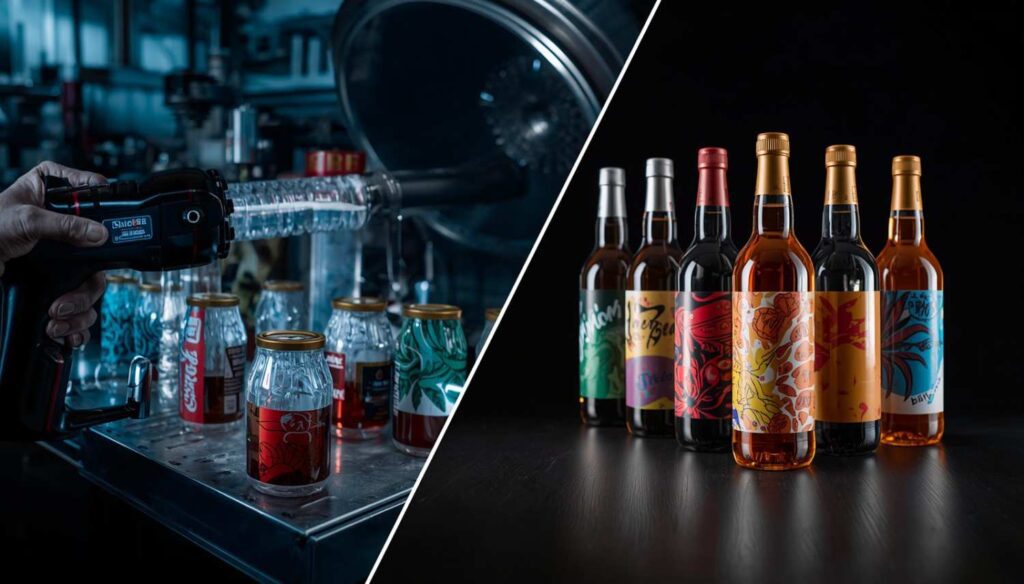
Shrink sleeve labels are flexible plastic film labels that are printed with custom graphics and wrapped around a product container. After placement, heat is applied to the film, causing it to shrink tightly around the shape of the container.
This process creates a smooth, seamless label that fits perfectly on bottles, jars, cans, and uniquely shaped packaging.
Unlike pressure-sensitive labels, shrink sleeves can provide nearly 360-degree branding coverage, giving businesses more space for marketing, nutrition facts, instructions, and attractive graphics.
How Do Shrink Sleeve Labels Work?
The shrink sleeve process is simple but highly effective. Here’s how it works step by step:
1. Design and Printing
The label artwork is first printed onto a special plastic film material, such as:
- PETG
- PVC
- OPS
- PLA
The design is adjusted carefully because the label will shrink during the heating process.
2. Sleeve Formation
The printed film is formed into a tube shape and cut according to the product size.
3. Application on Containers
The shrink sleeve is placed loosely around the product container using automated machinery.
4. Heat Shrinking Process
The product passes through a heat tunnel using steam or hot air. The heat causes the sleeve to shrink tightly around the container.
5. Final Product Packaging
The result is a smooth and attractive label that perfectly matches the product shape.
Why Businesses Prefer Shrink Sleeve Packaging
Shrink sleeve packaging has become one of the most preferred labeling methods because it offers both visual appeal and practical benefits.
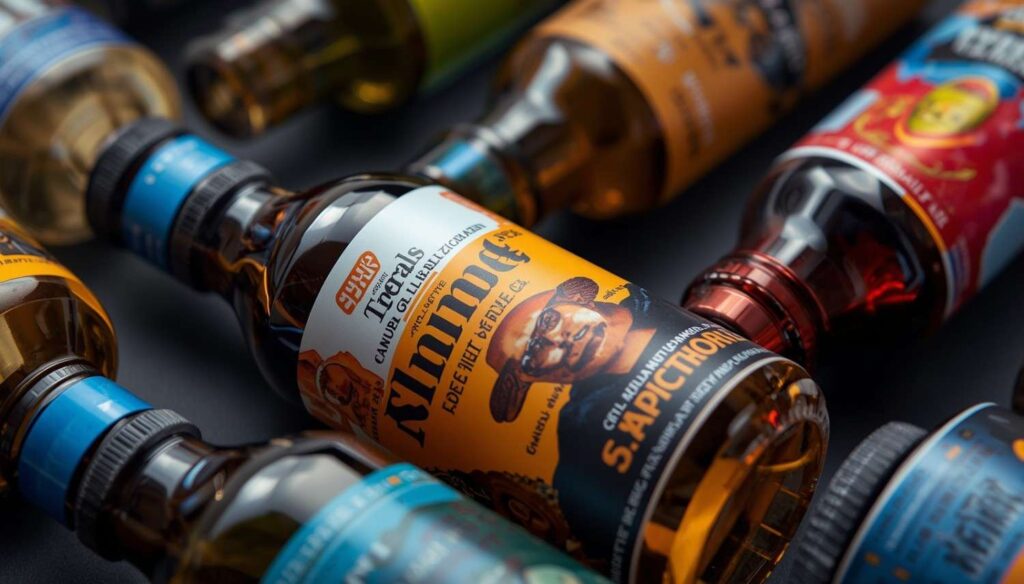
Full-Body Branding
Traditional labels cover only a small area, but shrink sleeves can wrap around the entire container. This gives brands more space to display:
- Logos
- Product descriptions
- Ingredients
- Promotions
- QR codes
- Nutritional information
Eye-Catching Shelf Appeal
Bright colors and full-surface graphics make products stand out in crowded retail environments.
Works on Unique Shapes
Shrink sleeves can fit curved, tapered, or irregular containers better than many traditional labeling options.
Durability
Shrink sleeves resist moisture, scratches, and wear, making them ideal for refrigerated or frequently handled products.
Tamper-Evident Protection
Many brands use shrink sleeves around bottle caps or lids to provide extra security and customer confidence.
Types of Shrink Sleeve Labels
Different products require different labeling solutions. Here are the most common types:
- Full Body Shrink Sleeves: These cover the entire container from top to bottom and provide maximum branding space.
- Partial Shrink Sleeves: These cover only a selected area of the container for branding or decoration.
- Tamper-Evident Shrink Bands: Used mainly around bottle caps or lids to show if a product has been opened.
- Combo Shrink Sleeves: These combine branding and tamper-evident functions in one label solution.
Shrink Sleeve Labels vs Traditional Labels
| Feature | Shrink Sleeve Labels | Traditional Labels |
| Branding Area | 360-degree coverage | Limited space |
| Appearance | Premium and vibrant | Standard look |
| Container Compatibility | Excellent for unique shapes | Best for flat surfaces |
| Durability | Highly durable | Moderate |
| Tamper Evidence | Available | Limited |
| Shelf Impact | High | Medium |
This comparison clearly shows why many modern brands are switching to shrink sleeve packaging for better presentation and customer engagement.
Industries That Use Shrink Sleeve Packaging
Shrink sleeves are widely used across many industries because of their flexibility and visual impact.
| Food and Beverage | Cosmetics and Beauty | Household Products | Personal Care Products | Pharmaceutical Industry |
| Juice bottles | Shampoo bottles | Cleaning sprays | Body wash | Supplement bottles |
| Water bottles | Lotion containers | Detergents | Hand sanitizers | Healthcare packaging |
| Energy drinks | Skincare products | Air fresheners | Hair care products | Medicine containers |
Materials Used in Custom Shrink Sleeve Labels
The material selection affects performance, sustainability, and print quality.
- PETG: Known for excellent clarity and shrink performance.
- PVC: Affordable and widely used, but less eco-friendly compared to newer materials.
- OPS: Offers good transparency and lightweight performance.
- PLA: A more environmentally friendly option made from renewable resources.
Benefits of Custom Shrink Sleeve Labels
Custom shrink sleeve labels provide brands with the flexibility to create packaging that matches their marketing goals.
Better Brand Recognition
Custom graphics help products look more professional and memorable.
Increased Consumer Engagement
Interactive packaging designs and QR codes encourage customer interaction.
Cost-Effective Marketing
The packaging itself becomes a marketing tool without needing extra promotional materials.
High Print Quality
Shrink sleeves support vibrant colors and high-resolution printing.
Versatility
Suitable for many container types and product categories.
Important Design Considerations for Shrink Sleeves
Designing shrink sleeve labels requires special attention because the film changes shape during the shrinking process.
- Distortion Adjustment: Artwork must be pre-distorted to appear correct after shrinking.
- Container Shape: The design should match the curves and dimensions of the packaging.
- Seam Placement: Important text and graphics should avoid the sleeve seam area.
- Heat Tunnel Compatibility: Different materials react differently to heat during application.
Sustainability in Shrink Sleeve Packaging
As sustainability becomes more important, brands are exploring eco-friendly shrink sleeve options.
Modern manufacturers now offer:
- Recyclable films
- Floatable shrink sleeves
- Low-density materials
- Eco-conscious inks
Businesses looking to reduce environmental impact are increasingly choosing sustainable product labeling solutions.
Common Challenges of Shrink Sleeve Labels
Although shrink sleeves offer many benefits, there are some challenges to consider.
- Higher Initial Setup Costs: Shrink sleeve production may require specialized equipment and printing processes.
- Complex Design Process: Artwork preparation is more technical compared to standard labels.
- Recycling Concerns: Some shrink films can complicate recycling if incorrect materials are used.
However, the advantages often outweigh these challenges for businesses seeking premium packaging solutions.
How to Choose the Right Shrink Sleeve Label Supplier
Choosing the right supplier is important for packaging quality and consistency.
Look for a company that offers:
- High-quality printing
- Custom design support
- Material variety
- Fast turnaround times
- Industry experience
- Sustainable packaging options
For businesses seeking premium packaging and labeling solutions, AttaPack offers a range of packaging products and custom labeling services for diverse industries.
You can also explore related packaging and labeling solutions, such as:
- Custom product labels
- Flexible packaging
- Bottle labeling solutions
- Tamper-evident packaging
- Printed packaging materials
Future Trends in Shrink Sleeve Packaging
The shrink sleeve industry continues to grow as brands seek innovative packaging options.
Some major trends include:
- Smart Packaging: Integration of QR codes and digital experiences.
- Sustainable Materials: Growth in recyclable and biodegradable films.
- Minimalist Designs: Clean and modern branding styles.
- High-Speed Automation: Faster labeling systems for mass production.
Final Thoughts
Shrink sleeve labels have transformed modern product labeling by combining attractive branding, durability, and packaging flexibility into one solution. Their ability to provide full-body graphics, fit unique container shapes, and enhance shelf appeal makes them a preferred choice across many industries.
Whether you are launching a new product or upgrading existing packaging, custom shrink sleeve labels can help your brand stand out while improving customer experience.
As packaging trends continue to evolve, shrink sleeve packaging will remain a powerful solution for businesses that want visually appealing, functional, and high-quality product packaging.
FAQs About Shrink Sleeve Labels
What are shrink sleeve labels used for?
Shrink sleeve labels are used for product branding, packaging decoration, tamper-evident sealing, and displaying product information. They are commonly used on bottles, jars, cans, and containers across the food, beverage, cosmetic, and pharmaceutical industries.
What materials are used for shrink sleeve packaging?
Common materials used in shrink sleeve packaging include PETG, PVC, OPS, and PLA films. Each material offers different levels of durability, shrinkage performance, and sustainability.
Are custom shrink sleeve labels durable?
Yes, custom shrink sleeve labels are highly durable. They resist moisture, scratches, and fading, making them ideal for refrigerated, cosmetic, and frequently handled products.
Can shrink sleeve labels fit unique container shapes?
Yes, one of the biggest advantages of shrink sleeve labels is their ability to fit curved, tapered, and uniquely shaped containers perfectly.