One of the most important areas where companies can make a positive impact is eco-friendly packaging. Customers are becoming more environmentally conscious, and they prefer brands that use sustainable packaging and reduce waste.
Switching to green packaging solutions is no longer just a trend—it is a necessity for modern businesses. Whether you run an e-commerce store, restaurant, or retail shop, using biodegradable and recyclable packaging can improve your brand image, reduce environmental impact, and even boost sales.
What is Eco-Friendly Packaging?
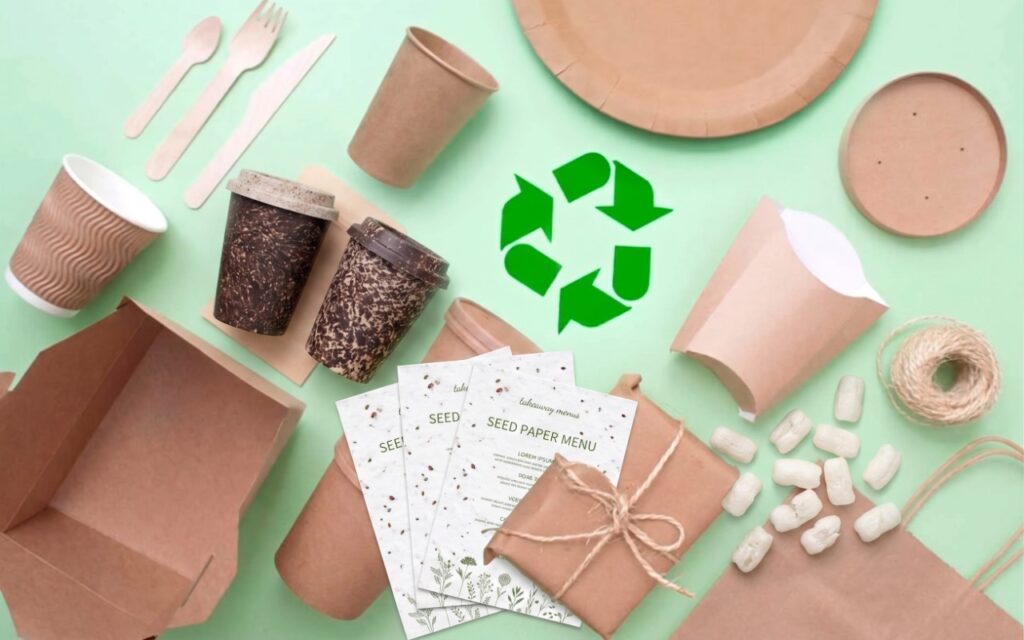
Eco-friendly packaging refers to materials and designs that are safe for the environment. These packaging solutions are made from renewable, recyclable, or biodegradable materials that reduce pollution and waste.
Key Features:
- Made from sustainable materials
- Easily recyclable or compostable
- Minimal environmental impact
- Reduced carbon footprint
Why Eco-Friendly Packaging Matters for Businesses
1. Improves Brand Image
Customers prefer brands that care about the environment. Using green packaging solutions shows responsibility and builds trust.
2. Reduces Environmental Impact
Traditional plastic packaging harms the planet. Switching to biodegradable packaging helps reduce landfill waste.
3. Meets Customer Expectations
Modern consumers actively look for sustainable packaging when making purchasing decisions.
4. Cost-Effective in the Long Run
While initial costs may be slightly higher, eco-friendly packaging reduces waste management expenses and improves brand loyalty.
Types of Custom Eco-Friendly Packaging Boxes
Custom packaging plays a major role in branding and product protection. Below are different types of eco-friendly custom packaging boxes, each with its own benefits:
1. Corrugated Boxes
Corrugated boxes are one of the most popular recyclable packaging options. They are made from layered cardboard, making them strong and durable. These boxes are perfect for shipping and protecting fragile items, and they are fully recyclable and reusable.
2. Kraft Paper Boxes
Kraft boxes are made from natural wood pulp and are 100% biodegradable. They are widely used in retail and food industries due to their eco-friendly nature and rustic appearance. These boxes are ideal for brands focusing on sustainability and minimalism.
3. Rigid Boxes
Rigid boxes offer premium-quality packaging while remaining environmentally friendly when made from recycled materials. They are commonly used for luxury products like electronics, cosmetics, and gifts, providing both protection and elegance.
4. Folding Carton Boxes
Folding cartons are lightweight and made from paperboard, making them easy to recycle. These boxes are commonly used for food, cosmetics, and pharmaceutical products. Their flexibility and eco-friendliness make them a top choice for modern brands.
5. Mailer Boxes
Mailer boxes are widely used in e-commerce packaging. These boxes are sturdy, customizable, and made from recyclable materials. They enhance the unboxing experience while supporting sustainable practices.
6. Die-Cut Boxes
Die-cut boxes are custom-designed packaging solutions that reduce material waste. They are tailored to fit specific products, minimizing excess packaging and promoting eco-friendly usage.
Traditional Packaging vs Eco-Friendly Packaging
| Feature | Traditional Packaging | Eco-Friendly Packaging |
| Material | Plastic, non-renewable | Recycled, biodegradable |
| Environmental Impact | High pollution | Low impact |
| Recyclability | Limited | High |
| Customer Preference | Decreasing | Increasing |
| Cost Over Time | Higher waste costs | More sustainable savings |
This comparison clearly shows why businesses are shifting towards sustainable packaging solutions.
Benefits of Using Green Packaging Solutions
1. Supports Environmental Sustainability
Eco-friendly materials reduce carbon emissions and conserve natural resources.
2. Enhances Customer Experience
Attractive and sustainable packaging improves customer satisfaction and brand loyalty.
3. Boosts SEO and Online Visibility
Using eco-friendly practices can improve your brand reputation and help you rank better in search engines.
4. Compliance with Regulations
Many governments are introducing strict regulations on plastic use. Eco-friendly packaging helps businesses stay compliant.
How to Choose the Right Eco-Friendly Packaging
Choosing the right packaging depends on your product and business needs. Here are some tips:
- Select materials that are recyclable or biodegradable
- Use minimal packaging to reduce waste
- Ensure durability to protect products
- Focus on branding with eco-friendly inks and designs
Role of Custom Packaging in Branding
Custom packaging not only protects products but also tells your brand story. Eco-friendly custom boxes can include:
- Brand logos printed with eco-friendly ink
- Unique designs that attract customers
- Sustainable materials that reflect brand values
Midway through your sustainability journey, Attapack is helping businesses adopt innovative and eco-conscious packaging solutions that align with modern environmental standards.
Future of Eco-Friendly Packaging
The future of packaging lies in innovation and sustainability. Businesses are now exploring:
- Plant-based packaging materials
- Edible packaging
- Zero-waste packaging solutions
- Smart packaging with minimal environmental impact
Companies that adopt these trends early will gain a competitive advantage in the market.
Conclusion
Eco-friendly packaging is no longer optional—it is essential for modern businesses. By switching to sustainable packaging, companies can reduce environmental impact, attract eco-conscious customers, and improve their brand image.
From corrugated boxes to kraft packaging, there are many eco-friendly options available that combine functionality with sustainability. Investing in green packaging solutions today will not only benefit the planet but also ensure long-term business success.
FAQs
1. What is eco-friendly packaging?
Eco-friendly packaging uses sustainable, recyclable, or biodegradable materials that reduce environmental harm.
2. Why is sustainable packaging important?
It helps reduce waste, protects the environment, and meets customer expectations for responsible business practices.
3. What materials are used in biodegradable packaging?
Materials like kraft paper, cardboard, cornstarch, and plant-based plastics are commonly used.
4. Is eco-friendly packaging expensive?
It may cost slightly more initially, but it saves money in the long run through reduced waste and increased customer loyalty.
5. Which industries benefit from green packaging solutions?
E-commerce, food, retail, cosmetics, and electronics industries all benefit from eco-friendly packaging.