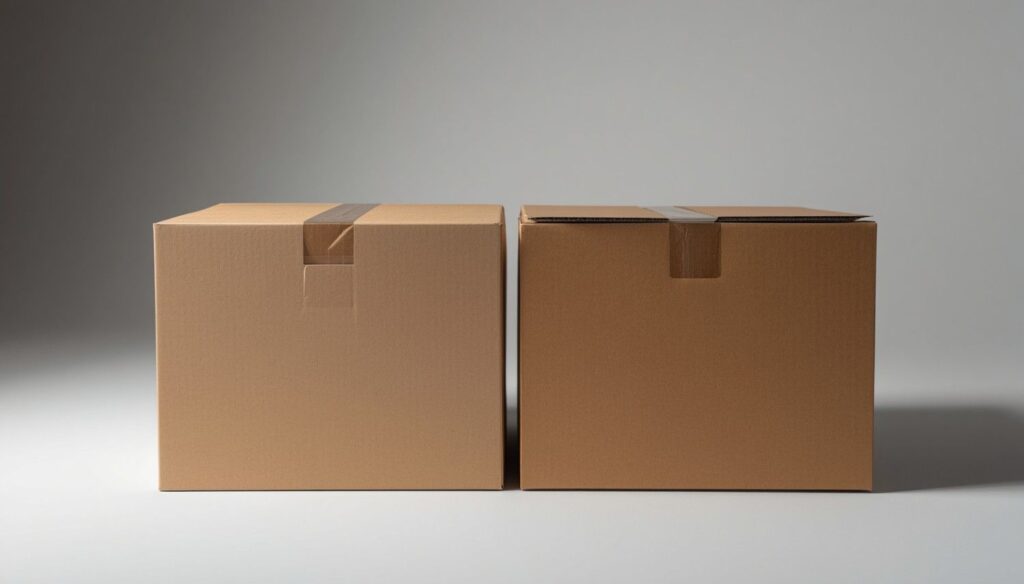
Many people think that cardboard and corrugated carton boxes are the same thing, and they use these terms interchangeably. But this is not true; these are the names of two different kinds of boxes. These two different types of boxes are most commonly used in the packaging of various products. These boxes provide protection and safety to the products as well as enhance the beauty and presentation of products.
In this article, we will compare the features, quality, and materials of both Cardboard and Corrugated Carton Boxes. After reading this article, you will be able to know what to choose for your brand’s packaging. Let’s discover Cardboard vs. Corrugated Carton Boxes.
What are Cardboard and Corrugated Boxes?
Cardboard Boxes:
Cardboard is made up of thick paper or a large quantity of paper pulp. These cardboard boxes are most commonly used in cereals, toys, food packaging, etc.
Corrugated Carton Boxes:
Corrugated Carton boxes are made up of at least 3 layers of linerboard. Corrugated Carton Boxes are commonly made up of multiple layers of flat liners layers. They are commonly used for shipping purposes and used as custom shipping boxes.
Exploring the different Features of Cardboard vs. Corrugated Boxes
Cardboard Boxes are made up of one or two layers of paper only. However, the manufacturing of these boxes is not difficult. Just cut the paper to your required packaging size and dimensions and fasten all the cut pieces of paper with glue, tape, or by using other fastening methods.
But these boxes can only be used to package lightweight or small quantities of products. These boxes are suitable for products such as toys, perfumes, cereals, food packaging, etc.
On the other hand, the construction of corrugated cartons is known as sandwich construction. Multiple layers of material are used in their construction. This kind of multiple layering of material makes them strong and sturdy. These package boxes are more capable of holding heavyweight products as well as products that are in bulk form.
Why Corrugated Carton Boxes are the Better Option?
Corrugated boxes are the better choice for bulky and heavy products, and these boxes are commonly used in shipping to avoid any physical damage to the products.
But it doesn’t mean Cardboard boxes are not a suitable or reliable option. Cardboard boxes are a perfect choice for lightweight products, and they also look attractive.
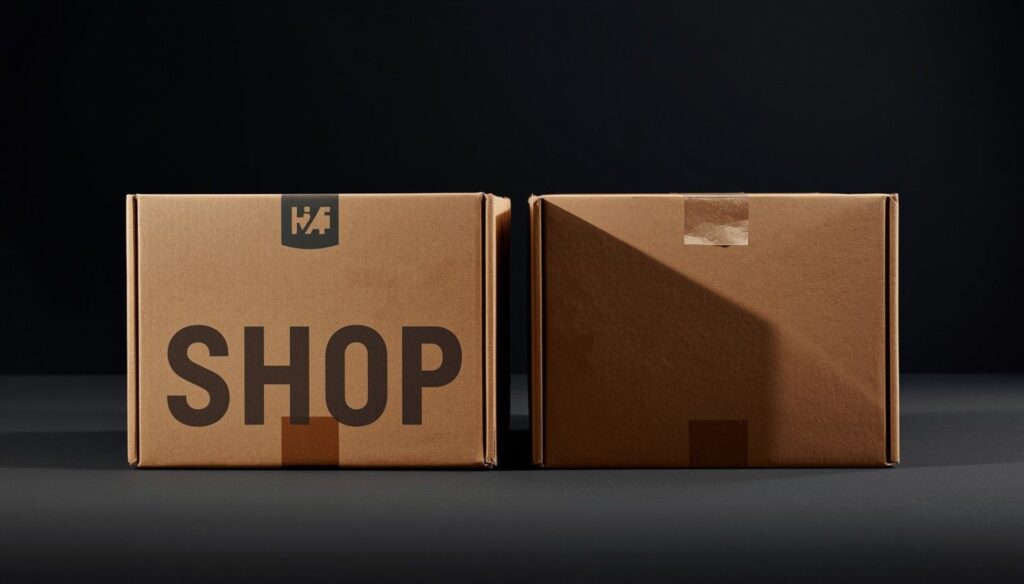
The following are some key features of Corrugated Carton boxes.
1. Provide Product Protection
The corrugated boxes provide greater strength and support because of multi-layer materials than the single-layer materials used for cardboard boxes. Therefore, to ensure that their contents are protected from extreme weather conditions, e.g., those which have been encountered when carrying out transport operations, corrugated boxes stand a greater chance of success compared with cardboard boxes.
2. Eco-friendly and Durability
A corrugated board is highly recyclable. In many cases, a new Corrugated Box is being produced in combination with virgin and Recycled Materials, making it an option for more environmentally friendly packaging. The modern Generation is very conscious about product and packaging selection, and they always appreciate biodegradable options while shopping for any product.
So, Corrugated cartons are an eco-friendly and durable option and can be used in many ways.
3. Allow more customization Options
Since the corrugated boxes are made from multilayer material, there is an increased possibility of designing them in a particular way. To achieve different functional and visual characteristics, it is possible to specify the type of liner material used, the shape of the fluting layer, as well as a combination of liner fluting layers.
Corrugated Boxes can be customized into different sizes and dimensions according to the product size and quantity of products. To suit a specific product or brand image, the corrugated board can be further customized with graphics and paint.
Final Thought
In this article, we have explored the difference between cardboard boxes and corrugated carton boxes. The features available in corrugated box packaging include its ability to protect products, durability and recycling options, sturdiness and strength, and broad customization. While the cardboard boxes are also an affordable and versatile option.
Understanding the strengths and weaknesses of both types of custom packaging boxes will empower you and will make it easy for your selection. This makes it easy to choose the right option according to your packaging needs, ensuring that your product reaches its customers undamaged, safe, and sound.
Now you can choose your required box according to your personal needs and product requirements.
Frequently Asked Questions (FAQs)
Q1: What is the main difference between cardboard and corrugated carton boxes?
The primary difference lies in their construction. Cardboard boxes are made of thick paper or a single layer of paper pulp and are lightweight. On the other hand, corrugated boxes feature a “sandwich construction” with at least three layers (flat liners and a wavy fluting layer), making them much stronger and sturdier.
Q2: Which box is better for shipping heavy products?
Corrugated carton boxes are the ideal choice for shipping heavy or bulky items. Their multi-layer material provides structural strength that protects products from physical damage and harsh transit conditions.
Q3: What type of products are best suited for cardboard boxes?
Cardboard boxes are perfect for lightweight, smaller products that require attractive presentation rather than heavy-duty protection. Common examples include cereal boxes, toys, perfumes, and fast-food packaging.
Q4: Are corrugated boxes environmentally friendly?
Yes, corrugated boards are highly recyclable and biodegradable. They are frequently manufactured using a blend of recycled and virgin materials, making them an excellent sustainable choice for eco-conscious brands and consumers.
Q5: Can corrugated boxes be customized for branding?
Absolutely. Corrugated boxes offer extensive customization options. You can easily specify the dimensions, alter the thickness or type of linerboard, and print high-quality custom graphics and colors to match your brand’s identity.