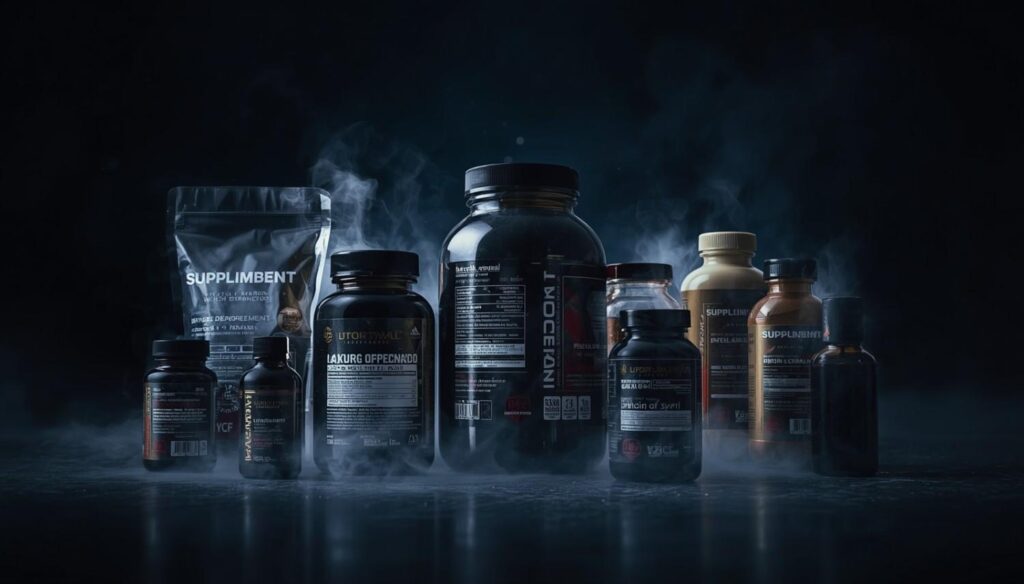
If you sell dietary supplements, your packaging is doing a lot more work than just holding your product. It’s protecting potency, meeting strict regulations, and convincing a shopper in three seconds that your brand is trustworthy. Get it wrong, and you risk compliance warnings, damaged products, or a customer who never comes back. Get it right, and your supplement packaging becomes one of your strongest marketing assets.
This guide breaks down everything a supplement brand needs to know before choosing materials, Custom labels, and a packaging partner — including how Austin-based brands can find local production support and why sustainability is no longer optional.
Why Supplement Packaging Matters More Than You Think
Supplements are regulated as a category of their own, sitting somewhere between food and pharmaceutical labels. That means your packaging has to do double duty: look like a premium consumer product while satisfying regulatory bodies like the FDA.
A few things are riding on your packaging choices:
- Product stability — capsules, powders, and gummies degrade differently, and the wrong container can shorten shelf life dramatically.
- Legal compliance — missing label elements can trigger warning letters or force a costly recall.
- Consumer trust — cheap-looking packaging makes people question the product inside, even if the formula is excellent.
- Shelf differentiation — in a crowded category, packaging is often the first (and sometimes only) thing that gets a shopper to pick up your bottle.
Core Regulatory Requirements for Supplement Packaging
Before you get to design, your packaging needs to clear a basic compliance checklist. While requirements vary by country, most supplement brands selling in the US need to address the following on their custom supplement labels:
- Supplement Facts panel — listing serving size, servings per container, and the amount per serving of each ingredient.
- Ingredient list — including “other ingredients” such as fillers, binders, and coatings.
- Net quantity of contents — clearly stated, usually on the principal display panel.
- Manufacturer or distributor information — name and address, so the product is traceable.
- Structure/function claims disclaimer — the familiar line stating the FDA hasn’t evaluated the claims and the product isn’t intended to diagnose, treat, cure, or prevent disease.
- Allergen declarations — for common allergens like soy, dairy, or shellfish-derived ingredients (e.g., glucosamine).
- Tamper-evident features — required for many over-the-counter and ingestible products to protect consumers and limit liability.
Skipping or mislabeling any of these isn’t just a fine waiting to happen — it’s a trust issue with your customer.
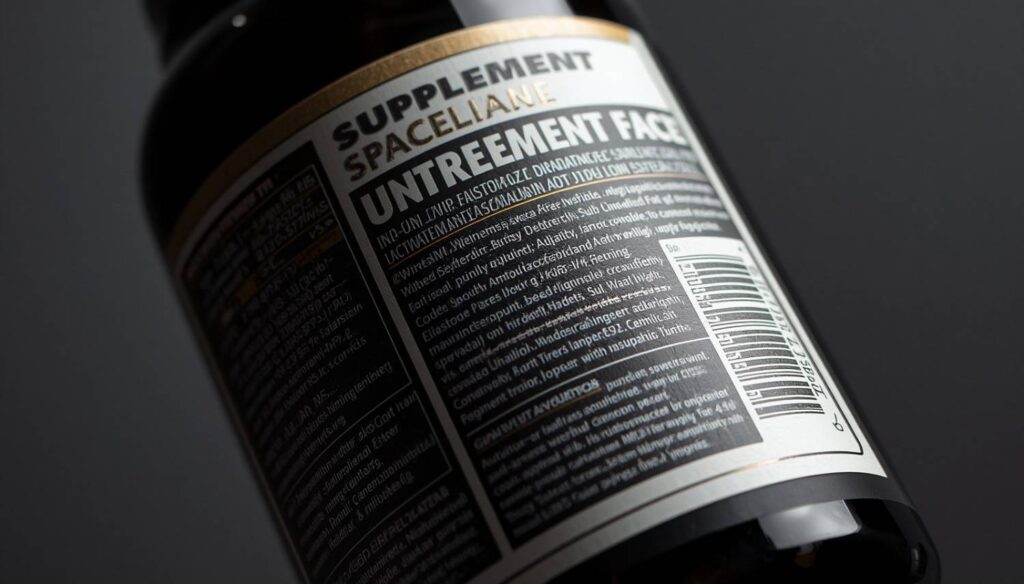
Choosing the Right Packaging Materials
Material choice affects compliance, shelf life, and brand perception all at once. Here’s a quick side-by-side to help you compare common options.
| Packaging Type | Best For | Pros | Cons |
| HDPE Plastic Bottles | Capsules, tablets, softgels | Lightweight, moisture-resistant, affordable | Less premium feel, recycling varies by region |
| Glass Jars | Powders, gummies, premium lines | Premium look, doesn’t absorb odors, fully recyclable | Heavier, higher shipping cost, breakable |
| Pouches (Stand-up/Flat) | Powders, single-serve sachets | Lightweight, low material cost, good for travel sizes | Less shelf presence, harder to make airtight long-term |
| PCR (Post-Consumer Recycled) Plastic | Brands prioritizing sustainability | Lower environmental impact, strong marketing story | Slightly higher cost, sourcing can be inconsistent |
| Glass with Child-Resistant Caps | Products with higher-dose actives | Extra safety compliance, premium feel | Added cost, slower production lead times |
There’s no single “best” option — the right call depends on your product’s sensitivity to light, moisture, and oxygen, plus your brand positioning and budget.
Custom Supplement Labels: Getting the Details Right
Your label is where regulation and branding meet, so it deserves its own checklist:
- Print durability — labels need to survive shipping, humidity, and repeated handling without fading or peeling. Look for water- and oil-resistant laminates if your product will be stored in bathrooms or gym bags.
- Legible typography — the FDA has minimum font size requirements for the Supplement Facts panel; don’t let a designer’s aesthetic preference override readability.
- QR codes and digital links — increasingly used to direct customers to third-party lab testing results, building trust without cluttering the label itself.
- Color and material consistency — a label that doesn’t match your bottle’s curve or finish looks unfinished, even with great design.
Working with a packaging supplier that understands both print specs and compliance requirements saves you from costly reprints later.
Sustainable Packaging: No Longer a Nice-to-Have
Consumers increasingly check packaging claims before they check ingredient lists. Sustainable packaging isn’t just good PR — it’s becoming a purchase driver, especially among supplement buyers who already lean toward wellness-conscious values.
Practical ways supplement brands are improving sustainability:
- Switching from virgin plastic to PCR plastic or glass
- Reducing unnecessary secondary packaging (like outer cartons for single bottles)
- Using soy-based or water-based inks for labels instead of solvent-based options
- Offering refill pouches alongside a reusable primary container
- Partnering with suppliers who offer carbon-neutral shipping or local production to cut transport emissions
A genuinely sustainable approach also helps with compliance trends — several states are tightening rules around recyclability claims, so vague “eco-friendly” language without backup is a risk, not a benefit.
Finding the Right Packaging Partner
For supplement brands based in Texas, working with a local Austin packaging TX partner has real advantages over sourcing from overseas or out-of-state suppliers:
- Faster turnaround on label reprints and small-batch runs
- Lower shipping costs and emissions, which supports sustainability goals
- Easier quality control — you can visit the facility or get samples the same week
- Better support for testing new SKUs before committing to large production runs
When vetting an Austin-based or any regional packaging supplier, ask about their experience specifically with supplement-grade materials, their compliance knowledge, and whether they offer both bottling and label production under one roof — this single-source approach tends to reduce errors and delays.
DIY Labeling vs. Working with a Packaging Partner
| Factor | DIY / In-House Labeling | Professional Packaging Partner |
| Compliance accuracy | Higher risk of errors | Built-in regulatory knowledge |
| Upfront cost | Lower | Moderate to higher |
| Scalability | Difficult past a few hundred units | Designed for growth |
| Material options | Limited | Wide range, including sustainable options |
| Turnaround on revisions | Slow, manual | Faster, established workflows |
| Brand consistency | Variable | Controlled and repeatable |
For early-stage brands testing a single product, DIY can work short-term. But as soon as you’re scaling SKUs or expanding into new markets, a packaging partner typically pays for itself in fewer errors and faster restocks.
Frequently Asked Questions
What packaging requirements are mandatory for supplements in the US?
At minimum, US supplement packaging must include a Supplement Facts panel, full ingredient list, net quantity statement, manufacturer/distributor contact information, the standard FDA disclaimer, and allergen declarations where applicable. Tamper-evident packaging is also required for most ingestible products.
What’s the difference between supplement packaging and food packaging requirements?
Supplements use a Supplement Facts panel instead of a Nutrition Facts panel, and they require the FDA disclaimer about claims not being evaluated. Food packaging doesn’t carry this disclaimer, and the labeling format for nutrients differs slightly between the two.
Is sustainable packaging more expensive for supplement brands?
It can be slightly higher upfront, particularly for PCR plastics or glass versus virgin plastic. However, many brands offset this through reduced secondary packaging, bulk PCR sourcing, and the marketing value of a credible sustainability claim, which often improves conversion and customer loyalty.
How do I choose between bottles, jars, and pouches for my supplement?
Base the decision on your product’s form (capsule, powder, gummy), its sensitivity to light and moisture, and your price point. Capsules generally do well in HDPE bottles, powders often suit pouches or glass jars, and premium positioning usually favors glass.
Can I use a local packaging supplier instead of an overseas manufacturer?
Yes, and for many brands it’s the better choice. A local supplier, such as an Austin packaging TX partner, typically offers faster turnaround, easier quality control, and lower shipping-related emissions, which also supports sustainability goals.
Do supplement labels need third-party testing information?
It’s not legally mandatory in most cases, but increasingly expected by consumers. Many brands now add a QR code linking to certificate of analysis (COA) results to build trust without overcrowding the printed label.
What’s the most common packaging mistake new supplement brands make?
Underestimating compliance requirements on the Supplement Facts panel and skipping tamper-evident features to save costs. Both mistakes are easy to avoid early but expensive to fix after a product has already shipped.