Packaging is not just about putting a product inside a box or bag. It plays a critical role in how your product is protected, presented, shipped, and even perceived by customers. Whether you run an eCommerce store, a retail business, or you’re just starting, choosing the right packaging material can directly impact your success.
Today’s consumers are smarter. They care about:
- Product safety
- Brand presentation
- Environmental impact
- Convenience and usability
That’s why understanding different types of packaging materials is essential. We’ll break everything down in a simple, beginner-friendly way—while still giving you expert-level insights to help you make the right decisions.
What Are Packaging Materials?
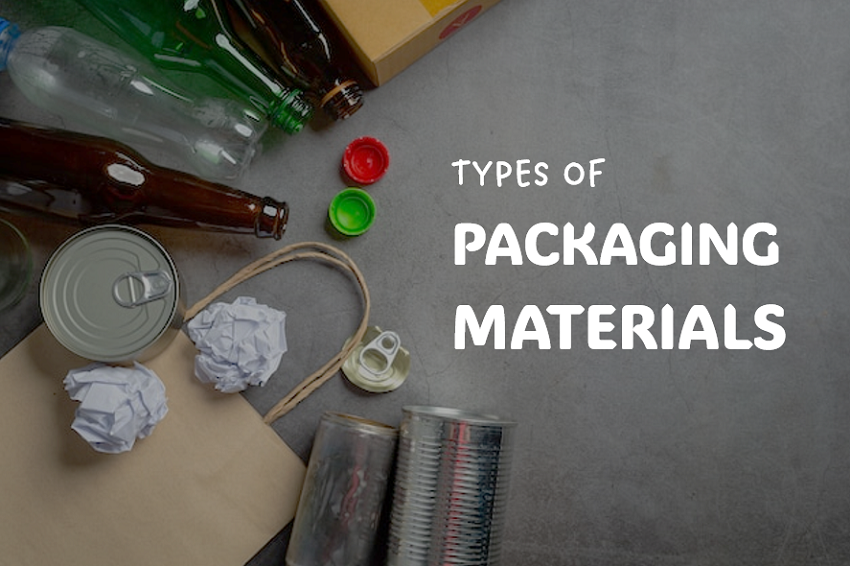
Packaging materials are the physical substances used to wrap, protect, and present products. These materials are designed to:
- Prevent damage during shipping
- Extend product shelf life
- Enhance visual appeal
- Communicate brand identity
There are many types of packaging materials, and each one is suited for specific uses depending on the product, industry, and customer expectations.
1. Corrugated Cardboard Packaging
Corrugated cardboard is one of the most commonly used packaging materials worldwide, especially in shipping and logistics. It is made from a fluted inner layer sandwiched between two flat outer layers, which gives it strength and durability.
This material is widely used in e-commerce because it provides excellent protection against pressure, impact, and rough handling during transportation. At the same time, it remains lightweight, which helps reduce shipping costs.
Key Benefits:
- Strong and durable structure
- Lightweight and cost-effective
- Excellent cushioning for fragile items
- Easy to recycle and eco-friendly
Common Uses:
- Shipping boxes
- Subscription boxes
- Product packaging for electronics and glass items
2. Plastic Packaging
Plastic packaging is highly versatile and widely used across multiple industries. It can be molded into different shapes and sizes, making it suitable for a variety of products.
Plastic materials include bottles, containers, shrink wraps, and bubble wraps. These are especially useful for protecting items from moisture, dust, and contamination.
However, plastic packaging has become controversial due to environmental concerns, which is why many companies are now shifting toward recyclable or biodegradable alternatives.
Key Benefits:
- Flexible and lightweight
- Water and moisture resistant
- Durable and long-lasting
- Suitable for both food and non-food items
Limitations:
- Environmental impact
- Recycling challenges in some regions
Common Uses:
- Food packaging
- Beverage bottles
- Protective wrapping (bubble wrap, shrink wrap)
3. Paper & Folding Carton Packaging
Paper-based packaging is widely used in the retail industry. Folding cartons are lightweight boxes made from paperboard and commonly used to package products such as cosmetics, medicines, and food items.
This type of packaging is especially popular because it is easy to customize with branding elements such as logos, colors, and product information.
Key Benefits:
- Eco-friendly and recyclable
- Ideal for printing and branding
- Lightweight and affordable
- Easy to store and transport
Common Uses:
- Cosmetic boxes
- Medicine packaging
- Food cartons (cereal, takeaway boxes)
4. Glass Packaging
Glass packaging is often used for premium and sensitive products. It is non-reactive, meaning it does not interact with the contents inside, making it ideal for food, beverages, and pharmaceuticals.
Glass also gives a high-end, premium look, which is why many luxury brands prefer it. However, it is heavier and more fragile compared to other materials.
Key Benefits:
- 100% recyclable
- Non-toxic and safe for food
- Premium and elegant appearance
- Preserves taste and quality
Limitations:
- Breakable
- Higher shipping costs due to weight
Common Uses:
- Perfume bottles
- Beverage containers
- Pharmaceutical products
5. Metal Packaging
Metal packaging includes materials like aluminum and steel. It is known for its strength and ability to preserve products for long periods.
Metal is commonly used in the food and beverage industries because it provides a strong barrier against light, oxygen, and moisture.
Key Benefits:
- Extremely durable
- Long shelf life for products
- Resistant to external damage
- Fully recyclable
Common Uses:
- Canned food
- Soft drink cans
- Industrial containers
6. Flexible Packaging
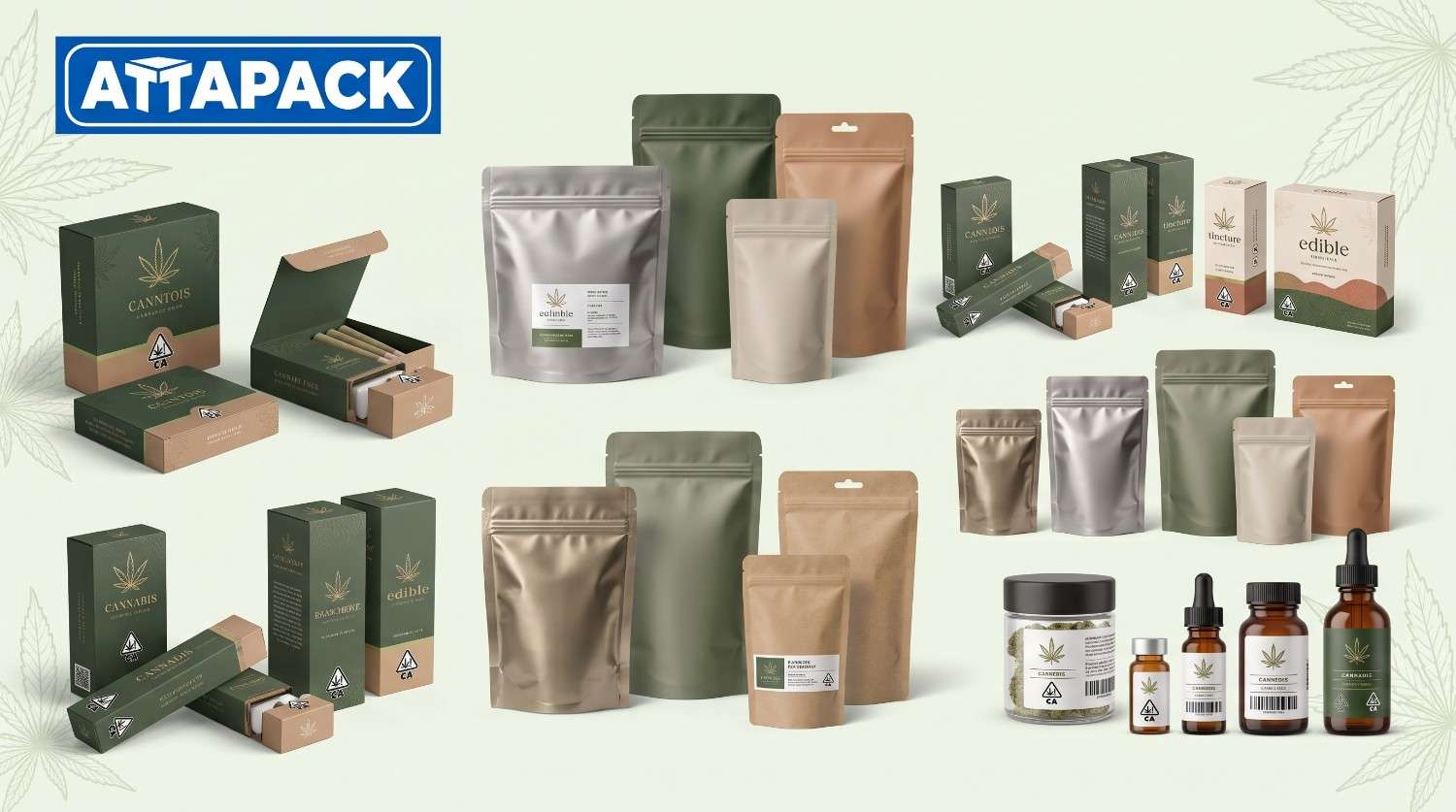
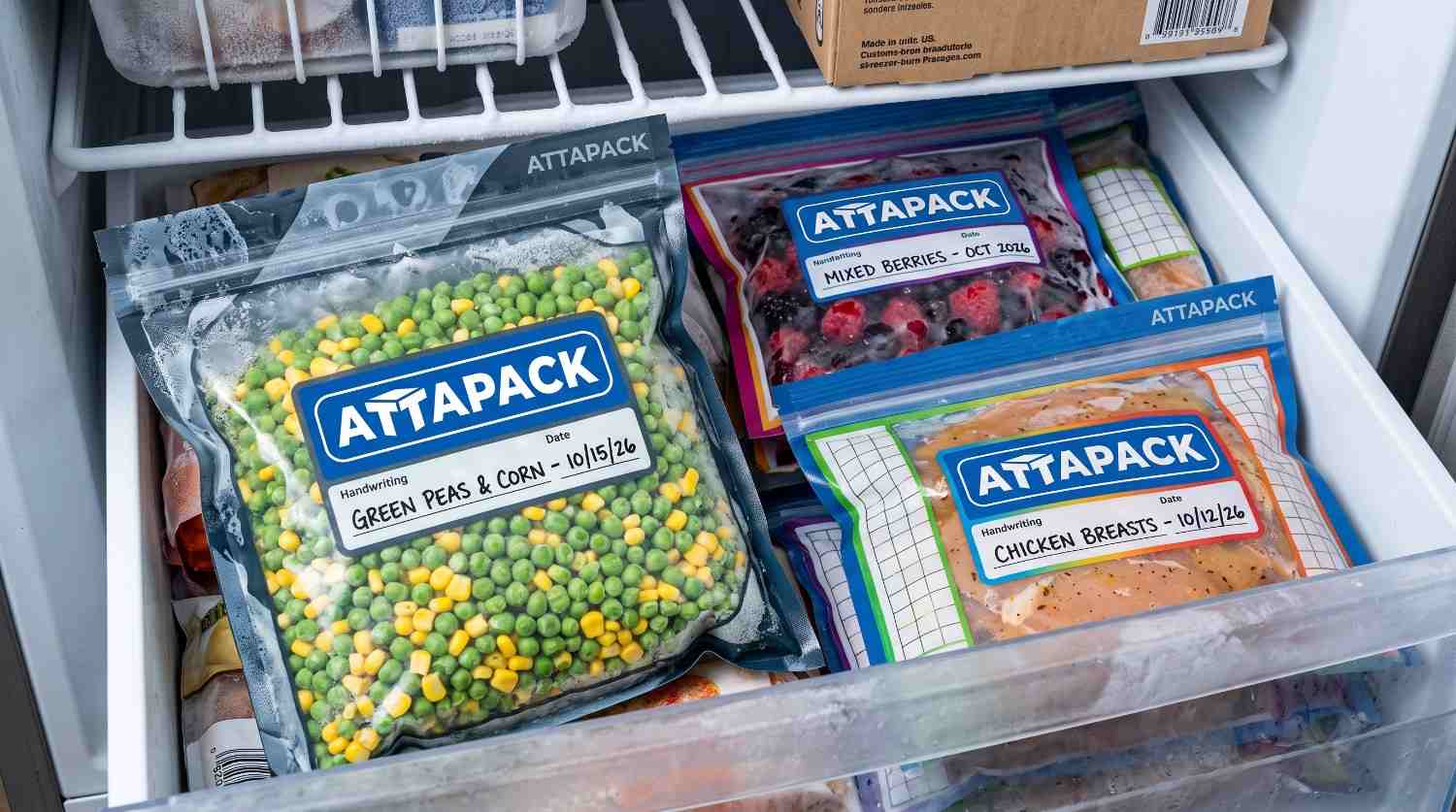
Flexible packaging is becoming increasingly popular due to its cost efficiency and adaptability. It includes pouches, sachets, and vacuum-sealed bags.
This type of packaging uses less material compared to rigid packaging, making it a more sustainable and economical choice for many businesses.
Key Benefits:
- Lightweight and easy to transport
- Uses less material (cost-saving)
- Flexible shapes and sizes
- Good for branding and design
Common Uses:
- Snack packaging
- Frozen food
- Small retail products
7. Biodegradable & Sustainable Packaging
Sustainable packaging is one of the fastest-growing trends in the packaging industry. These materials are designed to break down naturally and reduce environmental impact.
Businesses are increasingly adopting eco-friendly packaging to meet customer expectations and environmental regulations.
Key Benefits:
- Environmentally friendly
- Reduces carbon footprint
- Appeals to eco-conscious customers
- Supports brand sustainability goals
Common Uses:
- Organic product packaging
- Eco-friendly shipping materials
- Compostable bags and containers
Quick Overview
| Material | Durability | Cost | Eco-Friendly | Best Use Case |
| Corrugated Cardboard | High | Low | Yes | Shipping & eCommerce |
| Plastic | Medium | Low | Limited | Food & liquids |
| Paperboard | Low | Low | Yes | Retail packaging |
| Glass | Medium | High | Yes | Premium products |
| Metal | High | Medium | Yes | Food preservation |
| Flexible Packaging | Medium | Low | Moderate | Snacks & lightweight goods |
| Biodegradable | Medium | Medium | Yes | Sustainable packaging |
Myth vs Fact
Myth: Eco-friendly packaging is always expensive
Fact: Prices are becoming more competitive as demand increases
Myth: Plastic should never be used
Fact: Some plastics are recyclable and efficient for protection
Myth: Heavy packaging means better protection
Fact: Smart packaging design matters more than weight
Expert Insight (Real-World Experience)
From real-world experience in packaging and logistics, one of the biggest mistakes beginners make is choosing packaging based only on price.
The truth is:
- Cheap packaging can lead to product damage
- Poor design can hurt brand perception
- Over-packaging increases unnecessary costs
The best strategy is to balance:
- Protection
- Cost efficiency
- Customer experience
Businesses that get this balance right often see fewer returns and higher customer satisfaction.
Conclusion: Make Smarter Packaging Decisions
Packaging materials are more than just containers—they are a key part of your product strategy.
We explored:
- Strong materials like cardboard and metal
- Versatile options like plastic and flexible packaging
- Premium solutions like glass
- Sustainable alternatives for modern businesses
As we move forward, the focus will continue to shift toward:
Smart, sustainable, and cost-efficient packaging solutions
Frequently Asked Questions (FAQs)
1. What are the most common packaging materials?
The most common materials include cardboard, plastic, paperboard, glass, metal, and flexible packaging. Each serves a different purpose depending on product type.
2. Which packaging material is best for beginners?
Corrugated cardboard is the best starting point because it is affordable, strong, and widely used in shipping and e-commerce.
3. What is the most eco-friendly packaging option?
Biodegradable and paper-based packaging are considered the most eco-friendly because they break down naturally and are recyclable.
4. Why is packaging important for branding?
Packaging creates the first impression of your product. Good packaging improves customer trust and enhances brand value.
5. What is flexible packaging used for?
Flexible packaging is used for food, snacks, and lightweight items. It reduces shipping costs and uses less material.