Cardboard is one of the most widely used materials in the packaging industry. From custom cardboard boxes to retail packaging boxes, it plays a key role in protecting products, enhancing branding, and supporting eco-friendly practices.
In this detailed guide, you’ll learn what cardboard is, how it is made, its types, benefits, and how businesses can use it for custom packaging boxes and eCommerce packaging solutions.
What Is Cardboard?
Cardboard is a sturdy, lightweight material made from paper pulp, widely used for packaging, shipping, and storage. Businesses often choose cardboard boxes because they are durable, cost-effective, and recyclable.
There are several types of cardboard, including:
- Corrugated cardboard
- Paperboard (commonly used for folding cartons)
- Kraft cardboard
These materials are frequently used to make:
- Custom mailer boxes
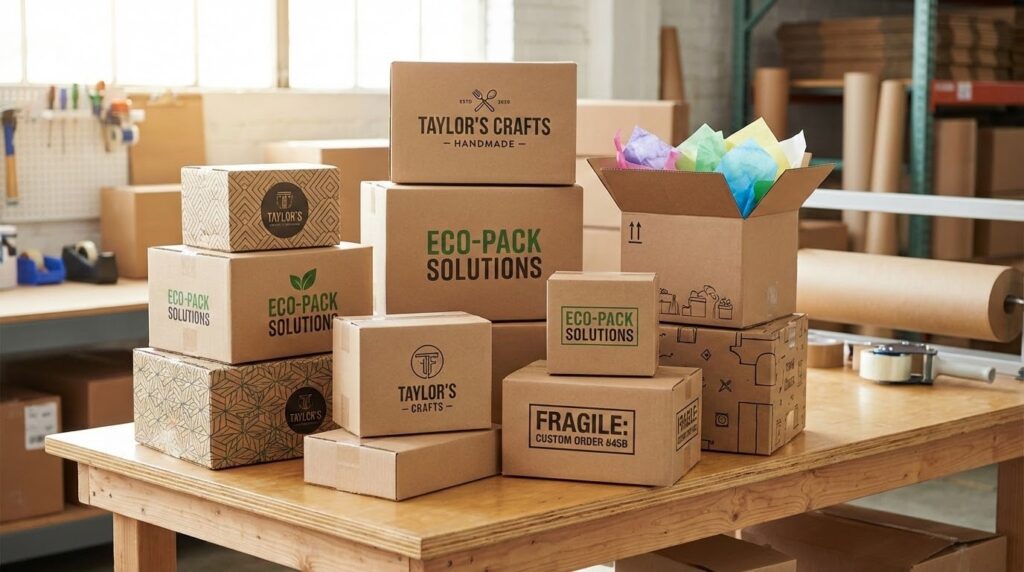
- Custom corrugated boxes
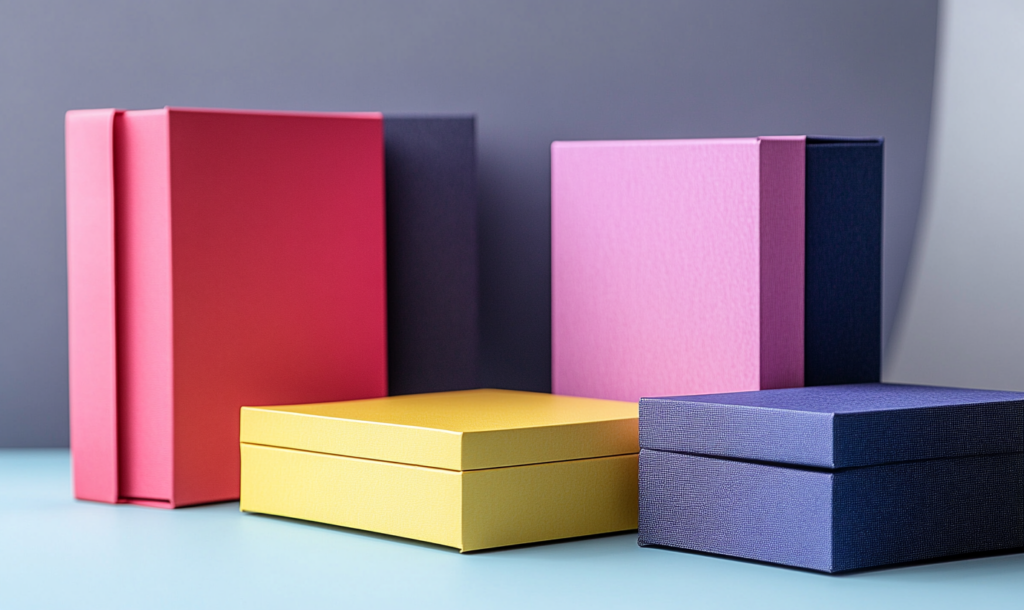
- Cardboard gift boxes
- Subscription box packaging
Cardboard vs Other Packaging Materials
| Feature | Cardboard | Plastic | Metal |
| Cost | Low | Medium | High |
| Weight | Light | Light | Heavy |
| Eco-Friendly | Yes | No | Limited |
| Customization | Easy | Medium | Hard |
| Strength | Medium to High | Medium | High |
Key takeaway: Cardboard gives the best balance of cost, strength, and sustainability.
How Is Cardboard Made? (Step-by-Step Process)
Understanding how cardboard is made helps you choose the best custom box packaging for your needs.
1. Raw Material Collection
Cardboard starts with wood pulp or recycled paper. Eco-conscious brands prefer recyclable packaging boxes made from reused materials.
2. Pulping Process
Wood chips are mixed with water and chemicals to break them down into pulp.
3. Cleaning & Refining
The pulp is cleaned to remove impurities and refined to improve strength.
4. Sheet Formation
The pulp is spread into thin sheets and pressed to remove water.
5. Corrugation (for Corrugated Boxes)
A fluted (wavy) layer is added between flat liners to create corrugated cardboard packaging, which increases durability.
6. Cutting & Shaping
The cardboard is cut and shaped into various packaging types, like:
- Custom folding cartons
- Product packaging boxes
- Retail packaging boxes
7. Printing & Finishing
Boxes are printed with logos and designs using custom box printing techniques such as digital or offset printing.
Types of Cardboard
| Type of Cardboard | Features | Best Use Cases |
| Corrugated Cardboard | Strong, layered, shock-resistant | Shipping, eCommerce packaging boxes |
| Paperboard | Thin, lightweight | Folding cartons, retail packaging |
| Kraft Cardboard | Eco-friendly, natural look | Custom kraft boxes, gift packaging |
| Rigid Cardboard | Thick, premium feel | Luxury packaging, electronics |
Popular Uses of Custom Cardboard Boxes
Businesses across industries use custom-printed cardboard boxes for different purposes:
Retail Packaging
Used for displaying products attractively in stores.
Shipping & eCommerce
Custom shipping boxes ensure safe delivery and brand visibility.
Gift & Subscription Boxes
Perfect for subscription box packaging and special occasions.
Food & Bakery Packaging
Safe and hygienic food packaging cardboard boxes for takeaway and delivery.
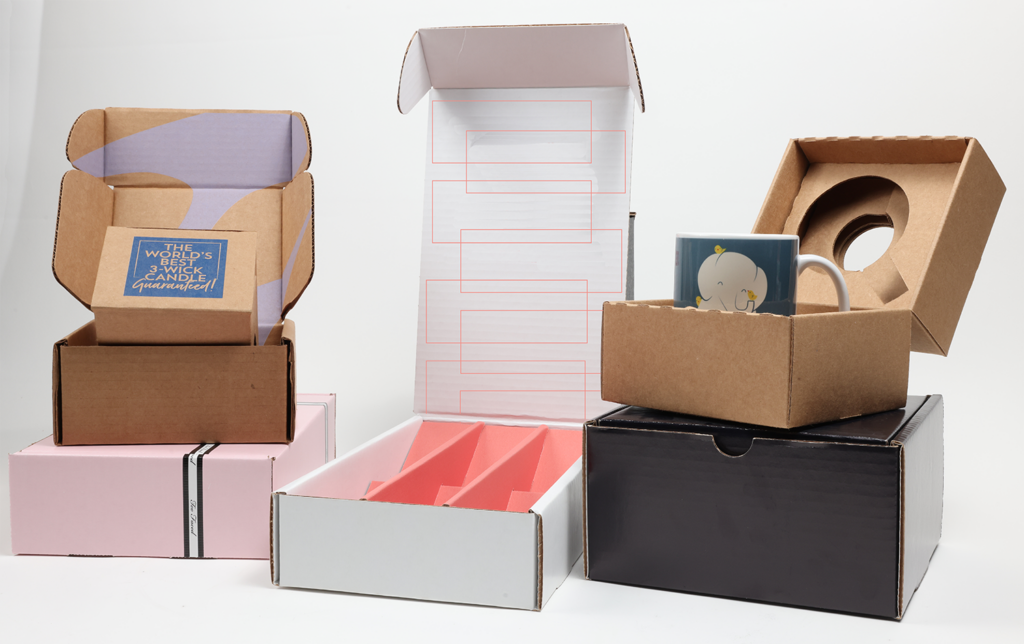
Benefits of Using Cardboard Packaging
Eco-Friendly
Cardboard is biodegradable and supports eco-friendly cardboard packaging trends.
Cost-Effective
Affordable for small businesses looking for bulk packaging boxes.
Customizable
Easily designed with logos, colors, and branding.
Durable
Especially corrugated cardboard packaging, which protects fragile items.
Customization & Branding Options
Modern businesses rely on custom packaging design to stand out. You can enhance your packaging with:
- Logo printed boxes
- Full-color printing
- Matte or gloss finishing
- Embossing & debossing
- Inserts (foam or cardboard dividers)
In fact, companies like Attapack are helping brands create high-quality branded cardboard boxes that improve customer experience and boost sales.
Why Custom Cardboard Boxes Are Essential for Branding
Personalized cardboard boxes do more than protect your products—they strengthen your brand.
When customers receive custom mailer boxes:
- They are more likely to share their unboxing experience on social media
- They remember your brand easily
- They are encouraged to make repeat purchases
This makes eCommerce packaging boxes a powerful tool in modern marketing strategies.
Expert Tips to Choose the Right Cardboard Packaging
- Choose custom corrugated boxes for heavy items
- Use custom folding cartons for lightweight retail products
- Opt for custom kraft boxes for eco-conscious branding
- Always invest in high-quality cardboard packaging for better durability
Final Thoughts
Cardboard remains the backbone of the packaging industry. Whether you need custom shipping boxes, retail packaging solutions, or eco-friendly custom cardboard boxes, it offers flexibility, durability, and sustainability.
By investing in well-designed custom packaging boxes, businesses can improve product safety, enhance branding, and increase customer satisfaction.
Frequently Asked Questions (FAQs)
1. What is the difference between cardboard and corrugated cardboard?
Cardboard is a general term, while corrugated cardboard has fluted layers that make it stronger and ideal for shipping.
2. Are cardboard boxes eco-friendly?
Yes, most recyclable packaging boxes are biodegradable and environmentally friendly.
3. What are custom cardboard boxes used for?
They are used for shipping, retail, food packaging, and branding purposes.
4. Can I print my logo on cardboard boxes?
Yes, you can use custom box printing to create logo-printed boxes for branding.
5. Which type of cardboard is best for e-commerce?
Custom corrugated boxes for e-commerce are the best due to their strength and durability.