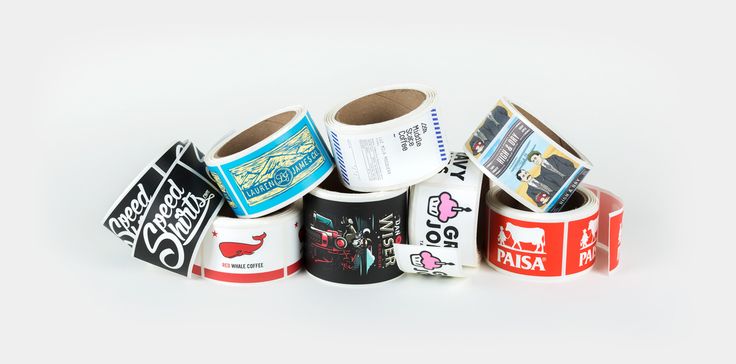
Custom labels are more than just stickers; they are powerful branding tools that communicate identity, quality, and professionalism. Whether you’re a small business owner, a creative entrepreneur, or someone who loves organizing beautifully, creating custom printed labels can elevate your products and presentation instantly.
In this guide, you’ll learn how to design, customize, and print high-quality labels that not only look great but also serve their purpose effectively.
Why Custom Labels Matter
Custom labels help you:
- Build a strong brand identity
- Improve product presentation
- Share important product information
- Create a memorable customer experience
From Custom Food Labels for packaged goods to elegant custom wine bottle labels, labels play a crucial role in influencing buying decisions.
Step 1: Define Your Label Purpose
Before jumping into design, be clear about your label’s goal. Ask yourself:
- Is it for branding, packaging, or organization?
- Will it include ingredients, barcodes, or instructions?
- Where will the label be applied (glass, plastic, cardboard)?
For example:
- Food businesses often need Custom Jar Labels that are moisture-resistant.
- Retail products require Bar Code Labels for scanning and inventory tracking.
Understanding your purpose helps you make better decisions throughout the process.
Step 2: Choose the Right Label Type
Different label types serve different needs. Here’s a quick comparison to help you decide:
| Label Type | Best For | Key Features |
| Custom Sheet Labels | Bulk printing & easy storage | Cost-effective, printable at home |
| Roll Labels | High-volume production | Machine-friendly, fast application |
| Die-Cut Labels | Unique shapes & branding | Professional, eye-catching |
| Waterproof Labels | Food & beverage packaging | Durable, moisture-resistant |
| Thermal Printer Labels | Shipping & logistics | Ink-free, efficient, fast printing |
If you’re managing logistics or e-commerce, thermal printer labels are especially useful for speed and efficiency.
Step 3: Select the Right Material
Your label material affects durability and appearance. Common options include:
- Paper Labels: Affordable and great for dry environments
- Vinyl Labels: Durable and waterproof
- Polyester Labels: Resistant to chemicals and heat
For example:
- Custom Food Labels often require oil- and moisture-resistant materials.
- Custom wine bottle labels benefit from textured or matte finishes for a premium look.
Step 4: Design Your Label Like a Pro
A great design balances aesthetics with functionality.
Key Design Elements:
- Logo & Branding: Keep it consistent with your brand identity
- Typography: Use readable fonts (avoid overly decorative styles)
- Color Scheme: Choose colors that align with your brand
- White Space: Avoid clutter for better readability
Pro Tips:
- Use high-resolution images (300 DPI minimum)
- Stick to 2–3 font styles max
- Ensure contrast between text and background
If you’re selling handmade products, custom sticker sheets can be a great way to showcase multiple designs in one set.
Step 5: Add Essential Information
Depending on your product, your label should include:
- Product name
- Ingredients (for food items)
- Instructions or usage details
- Expiry date
- Barcode
For retail products, Bar Code Labels are essential for smooth checkout and inventory management.
Step 6: Pick the Right Printing Method
You have two main options:
1. Home Printing
- Ideal for small batches
- Works well with Custom Sheet Labels
- Requires a good inkjet or laser printer
2. Professional Printing
- Best for large quantities
- Offers higher quality and durability
- Perfect for businesses scaling up
If you’re shipping products regularly, investing in thermal printer labels can save time and reduce costs.
Step 7: Test Before Final Printing
Always print a sample before mass production.
Check for:
- Alignment
- Color accuracy
- Text readability
- Adhesion quality
Apply the label to your product and see how it looks in real conditions.
Step 8: Apply Labels Properly
Even the best design can fail with poor application.
Tips for Perfect Application:
- Clean the surface before applying
- Apply from one side to avoid bubbles
- Use a flat tool to smooth out wrinkles
- Store labels in a cool, dry place
For curved surfaces like jars, Custom Jar Labels should be flexible and properly sized to avoid peeling.
Midway Insight: Elevate Your Brand with the Right Partner
At this stage, many businesses realize the importance of working with a reliable packaging partner. This is where Attapack comes in—helping brands achieve premium-quality labels that reflect professionalism and consistency without compromising on creativity.
Common Mistakes to Avoid
Avoid these pitfalls when creating custom labels:
- Overcrowding the design
- Using low-resolution images
- Ignoring material compatibility
- Skipping test prints
- Choosing the wrong adhesive
A clean, simple, and well-planned label always performs better than an overly complex one.
Creative Ideas for Custom Labels
Looking to stand out? Try these ideas:
- Transparent labels for a “no-label” look
- Foil stamping for luxury products
- Minimalist black-and-white designs
- Seasonal or limited-edition labels
- Interactive QR codes
For gifting or branding, custom sticker sheets can add a fun and versatile touch.
Use Cases Across Industries
Custom labels are used in various industries:
Food & Beverage
- Custom Food Labels for packaging
- Custom wine bottle labels for branding
Retail & E-commerce
- Bar Code Labels for inventory
- Shipping labels using thermal printer labels
Handmade & Crafts
- Custom Jar Labels for candles, jams, and cosmetics
- Decorative custom sticker sheets
FAQs
1. What is the best material for custom labels?
It depends on your use case. Vinyl is best for durability, while paper is cost-effective for indoor use.
2. How do I make labels waterproof?
Use vinyl or polyester materials with waterproof adhesive.
3. What size should my label be?
Measure your product surface and leave some margin for a clean fit.
4. Are thermal printer labels good for branding?
They are great for logistics and shipping, but not ideal for decorative branding.
Final Thoughts
Creating custom labels is both an art and a strategy. When done right, it enhances your product’s appeal, builds trust, and improves customer experience. From selecting the right materials to designing with intention, every step matters.
Whether you’re crafting Custom Jar Labels, designing premium custom wine bottle labels, or printing efficient thermal printer labels, the key is to focus on clarity, quality, and consistency.